Protect Your Vision: Essential Eye Health Tips for Prevention of Blindness Week
Every year, Prevention of Blindness Week serves as a crucial reminder of a startling fact: up to 80% of all vision impairment is avoidable. From simple lifestyle adjustments to proactive medical care, the power to protect our sight lies largely in our own hands. This dedicated week isn’t just about awareness; it’s a call to action. It urges us to move beyond taking our vision for granted and to adopt practices that can safeguard our eyesight for years to come.
Our eyes are our windows to the world, and their health is intricately linked to our overall well-being. Let’s use this occasion to commit to better eye care. Here are essential, actionable tips to integrate into your life.
The Foundation of Eye Health: Proactive Habits
Long-term vision preservation starts with the daily choices we make. Building a strong foundation of healthy habits can significantly reduce your risk of common eye problems.
Nourish Your Eyes from Within
What you eat directly impacts your eye health. A diet rich in specific nutrients can help ward off age-related vision issues.
- Load Up on Leafy Greens: Spinach, kale, and collard greens are packed with lutein and zeaxanthin, antioxidants that protect against cataracts and macular degeneration.
- Embrace Colorful Fruits and Vegetables: Carrots, sweet potatoes, and bell peppers are high in beta-carotene and Vitamin A, essential for good night vision. Citrus fruits, berries, and tomatoes provide Vitamin C, which supports blood vessels in your eyes.
- Don’t Forget Healthy Fats: Omega-3 fatty acids found in fatty fish like salmon, tuna, and sardines, as well as in flaxseeds and walnuts, contribute to visual development and retinal health.
Shield Your Eyes from Harm
Our eyes face constant environmental threats. Simple protection can prevent immediate injury and long-term damage.
- Wear Sunglasses Year-Round: Ultraviolet (UV) rays from the sun can increase the risk of cataracts and macular degeneration. Always choose sunglasses that block 99% to 100% of both UVA and UVB rays.
- Use Protective Eyewear: Whether you’re gardening, working with tools, playing sports, or using chemicals, appropriate safety glasses or goggles are non-negotiable for preventing traumatic injuries.
- Follow the 20-20-20 Rule: In our digital age, digital eye strain is a major concern. To combat it, every 20 minutes, look at something 20 feet away for at least 20 seconds. This simple practice relaxes the focusing muscle inside the eye.
Beyond Habits: The Critical Role of Professional Care
While daily habits are vital, they are not a substitute for professional eye care. Regular check-ups are the cornerstone of preventive eye health.
Schedule Regular Comprehensive Eye Exams
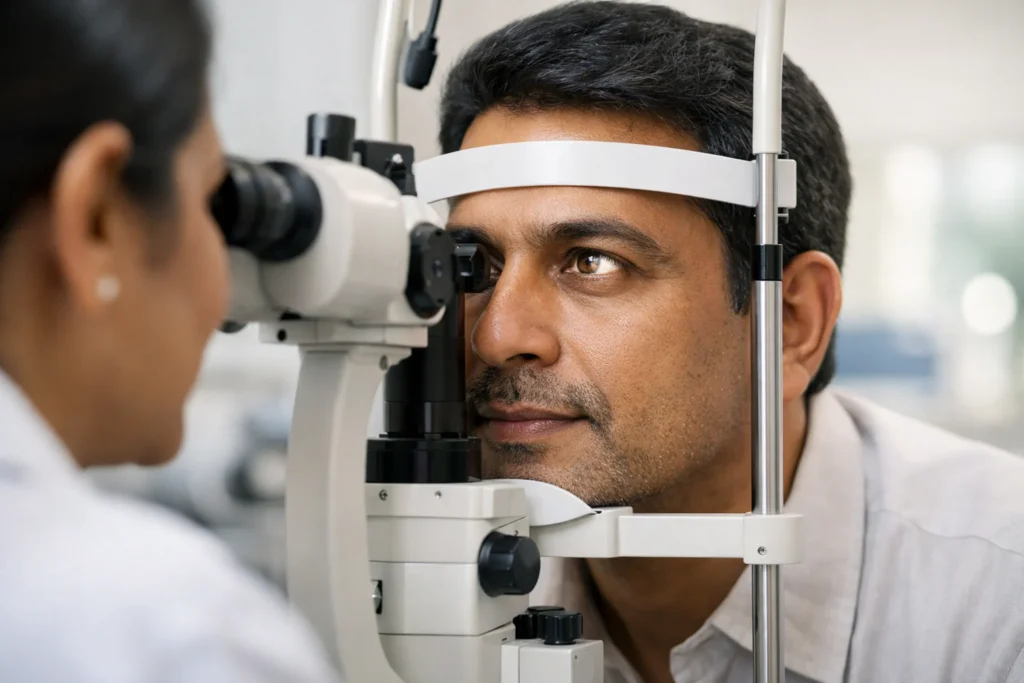
This is the single most important step you can take. Many serious eye diseases, like glaucoma, diabetic retinopathy, and macular degeneration, often have no early warning signs. A comprehensive dilated eye exam is the only way to detect them in their initial stages when treatment is most effective.
Adults with no known risk factors or vision issues should get a baseline exam at age 40. Your eye doctor will then recommend the necessary follow-up schedule.
Individuals with risk factors like diabetes, high blood pressure, or a family history of eye disease need more frequent exams as advised by their doctor.
Know Your Risk Factors
Understanding what makes you vulnerable allows for more targeted prevention.
- Systemic Health Conditions: Diabetes and hypertension can cause significant damage to the retinal blood vessels. Managing these conditions with your physician is direct eye care.
- Family History: A family history of glaucoma, macular degeneration, or other eye diseases increases your risk. Inform your eye doctor about this.
- Age: The risk of developing age-related eye diseases increases after 60.
Lifestyle Adjustments for Lasting Vision
Your overall lifestyle choices have a profound impact on your eye health.
Quit Smoking
If you needed another reason to quit, here it is: Smoking is directly linked to an increased risk of developing cataracts, macular degeneration, and optic nerve damage. The toxins in cigarette smoke can damage the delicate tissues of the eyes. Quitting, at any age, can significantly reduce these risks.
Maintain a Healthy Weight
Being overweight or obese increases your risk of developing systemic conditions like Type 2 diabetes, which is a leading cause of blindness in adults. A balanced diet and regular exercise protect your eyes by protecting your overall health.
Practice Good Contact Lens Hygiene
For contact lens wearers, negligence can lead to serious infections. Always wash your hands before handling lenses, use fresh solution every time (never top off old solution), replace them as scheduled, and never sleep in lenses unless prescribed by your doctor.
Creating an Eye-Healthy Environment
Optimize Your Workspace
- Ensure your computer screen is about an arm’s length away and positioned so your gaze is slightly downward.
- Use an anti-glare screen if necessary and adjust room lighting to minimize screen glare.
- Blink often to keep your eyes moist and consider using artificial tears if they feel dry.
Ensure Proper Lighting
Whether reading, working, or crafting, good lighting reduces strain. Avoid reading in dim light and use direct light from behind you when working on detailed tasks.
Listen to Your Eyes
Your body often sends signals. Don’t ignore persistent symptoms like:
- Frequent headaches or eye strain
- Blurred or double vision
- Difficulty seeing in low light
- Seeing flashes of light or floaters
- Redness, itching, or a feeling of something in your eye
Any sudden change in your vision is a medical emergency and requires immediate attention from an eye care professional.
Prevention of Blindness Week is more than a campaign; it’s a philosophy of proactive health. By incorporating these essential tips—nourishing our bodies, protecting our eyes from harm, committing to regular exams, and making smart lifestyle choices—we take powerful steps toward a future of clear, healthy vision. Let this week be the starting point for a lifelong commitment to seeing the world in all its brilliance. Schedule that eye exam you’ve been postponing, buy those protective sunglasses, and take a moment to appreciate the incredible gift of sight. Your future self will thank you.