Eye Care Professionals Face High Rates of Dry Eye Disease
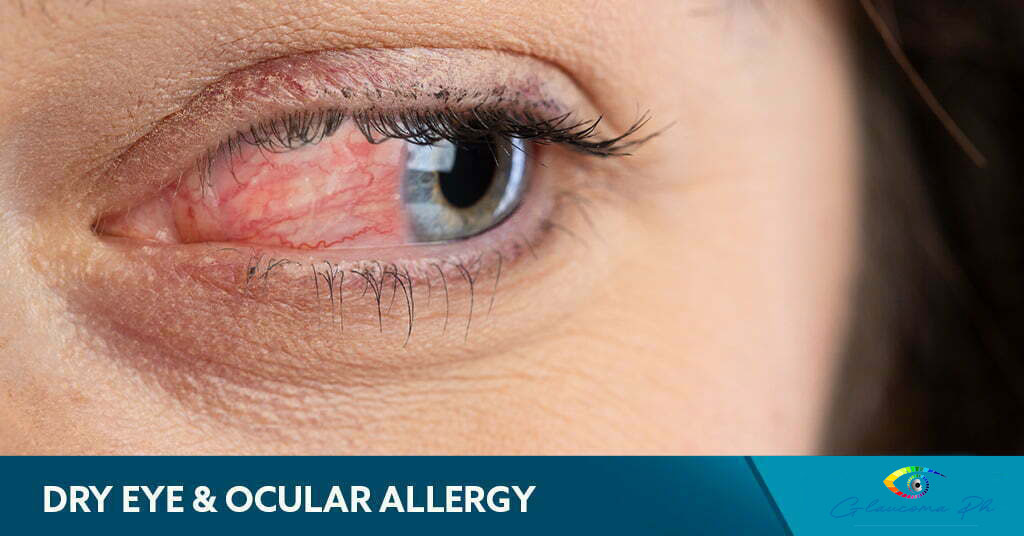
When you visit an optometrist or ophthalmologist for a scratchy, burning sensation in your eyes, you trust their expert diagnosis and treatment plan. But what if the very person helping you manage your dry eye disease (DED) is silently battling the same condition? A surprising and significant trend has emerged in eye care: professionals in the field are experiencing dry eye disease at alarmingly high rates. This revelation, highlighted by recent reports, underscores that DED is not just a patient problem but a pervasive occupational hazard for those who spend their days caring for our vision.
The Invisible Occupational Hazard in Eye Care
The clinical setting of an eye care practice is ironically a perfect storm of dry eye triggers. While these environments are designed for precision and patient care, they inadvertently create conditions that can compromise the ocular surface health of the professionals working there. The combination of prolonged, demanding visual tasks and environmental factors creates a unique risk profile for optometrists, ophthalmologists, and their technical staff.
Recent attention on this issue brings to light a critical conversation about workplace wellness in healthcare itself. Understanding why this is happening is the first step toward developing better protective strategies for those we rely on to protect our sight.
Primary Culprits: Screen Time and Controlled Environments
Two major factors are largely to blame for the high prevalence of DED among eye care professionals:
- Intensive Digital Device Use: Modern eye care is digitally driven. From reviewing electronic health records (EHR) and diagnostic imaging to conducting research and managing practice logistics, hours are spent fixated on computer screens. This sustained near work significantly reduces blink rate and completeness, leading to increased tear evaporation and instability of the tear film.
- Demanding Procedural Work: Performing intricate procedures like slit-lamp examinations, surgeries, or laser treatments requires intense, unwavering concentration. This “surgical stare” or focused gaze further suppresses blinking, depriving the eyes of necessary lubrication and spreading of tears.
- Low-Humidity Indoor Air: Examination rooms, surgical suites, and offices are often climate-controlled with air conditioning or heating systems that strip moisture from the air. This low-humidity environment accelerates tear evaporation.
- Constant Airflow: From HVAC vents to the specific airflow in surgical microscopes and laminar flow hoods in procedure rooms, directed air constantly flows over the eyes of practitioners, exacerbating dry eye symptoms.
Beyond Discomfort: The Professional Impact
For eye care professionals, dry eye disease is more than a personal inconvenience; it can directly impact their work quality and career longevity.
- Compromised Visual Acuity: Fluctuating or blurred vision is a common symptom of DED. For a professional requiring pinpoint accuracy to assess retinal details or perform surgery, even minor visual disturbances can be professionally debilitating.
- Reduced Work Efficiency: Persistent discomfort, burning, and the need to frequently instill lubricating drops can interrupt workflow, slow down patient examinations, and increase fatigue.
- Career Implications: In severe cases, chronic, unmanaged dry eye could potentially affect a surgeon’s ability to perform at their peak, leading to difficult decisions about practice focus or early retirement.
Protecting the Protectors: Strategies for Prevention and Management
The good news is that the same expertise eye care professionals apply to their patients can be turned inward. Awareness is the first and most powerful tool. By recognizing their high-risk status, practitioners can adopt proactive measures.
Environmental and Behavioral Modifications
Simple changes in the workplace can yield significant benefits:
- Practice Conscious Blinking: Set reminders to take brief visual breaks during charting or between patients to consciously perform full, complete blinks. Following the “20-20-20 rule” (every 20 minutes, look at something 20 feet away for 20 seconds) can help reset blink patterns.
- Optimize the Workspace: Position computer screens slightly below eye level to reduce the palpebral aperture (the opening between the eyelids). Consider using a high-quality desktop humidifier at your workstation to combat dry air.
- Manage Airflow: Be mindful of sitting directly in the path of air vents. In surgical settings, collaborate with facility managers to explore options for adjusting airflow where possible without compromising sterility.
- Protective Eyewear: Moisture-chamber glasses or side shields can create a barrier against direct air currents, especially in non-sterile office environments.
Proactive Clinical Care
Eye care professionals should not neglect their own ocular health. This includes:
- Regular Self-Assessment: Being attuned to early symptoms like intermittent blur, grittiness, or end-of-day eye fatigue is crucial.
- Seeking Professional Evaluation: Just like their patients, practitioners should have regular comprehensive eye exams that include an assessment of tear film and ocular surface health. Colleagues can provide an objective evaluation.
- Tailored Treatment Plans: Depending on the diagnosis (aqueous-deficient, evaporative, or mixed), treatments may include:
- Prescription pharmaceutical drops (e.g., anti-inflammatories, secretagogues).
- In-office procedures like thermal pulsation (LipiFlow) or intense pulsed light (IPL) therapy.
- Consistent use of preservative-free artificial tears.
- Nutritional supplements with omega-3 fatty acids.
A Call for Systemic Change and Open Dialogue
The high prevalence of dry eye among eye care professionals is a clear call for a cultural shift within the field. It highlights the need to:
- Destigmatize the Condition: Openly discussing DED as an occupational risk can encourage more professionals to seek help early without fear of it reflecting on their capabilities.
- Integrate Wellness into Practice Design: Future clinic designs should consider ergonomics and environmental controls that support practitioner eye health, such as optimized lighting and humidity control.
- Prioritize Research: Further studies are needed to fully quantify the prevalence and specific risk factors within different sub-specialties (e.g., surgeons vs. general optometrists).
Ultimately, the well-being of eye care providers is intrinsically linked to the quality of patient care they can deliver. By acknowledging and addressing the high rates of dry eye disease within their own ranks, the profession can lead by example. It reinforces a vital message: ocular health is a critical component of overall wellness, and it deserves attention and care—for everyone, including those who provide it. Taking steps to protect their own vision ensures these professionals can continue their essential work of protecting ours for years to come.