Your Guide to Dry Eye Disease: Symptoms, Causes, and Modern Treatments
Do you frequently experience a gritty, burning, or tired feeling in your eyes? Does your vision sometimes blur, especially when reading or using a computer? You might be among the millions of people worldwide living with Dry Eye Disease (DED), a common and often chronic condition that is much more than just an occasional annoyance. Far from being a simple lack of tears, dry eye is a complex disease of the ocular surface that can significantly impact daily comfort, visual performance, and overall quality of life. This guide will walk you through what dry eye disease really is, its telltale symptoms, the underlying causes, and the modern treatment landscape that offers real hope for relief.
What is Dry Eye Disease?
Dry Eye Disease is defined as a multifactorial disease of the ocular surface characterized by a loss of homeostasis of the tear film. In simpler terms, it’s a condition where your eyes either don’t produce enough tears or the tears they produce are of poor quality and evaporate too quickly. This instability leads to inflammation and damage to the eye’s surface.
The tear film is not just water; it’s a sophisticated, three-layered structure essential for clear vision and eye health:
- The Mucin Layer (Inner Layer): This layer spreads the tears evenly over the eye’s surface.
- The Aqueous Layer (Middle Layer): The watery layer that hydrates the eye and washes away debris.
- The Lipid Layer (Outer Layer): An oily film produced by meibomian glands in the eyelids that prevents tear evaporation.
A problem with any of these layers can lead to dry eye disease.
Recognizing the Symptoms: It’s More Than Just Dryness
Symptoms of dry eye can vary widely from person to person and often worsen in windy, dry, or air-conditioned environments, or during prolonged screen use. Common signs include:
- A persistent gritty or sandy sensation, as if something is in your eye
- Burning, stinging, or itching
- Redness and irritation
- Blurred vision that improves with blinking
- Eye fatigue, especially when reading or using digital devices
- Sensitivity to light (photophobia)
- A paradoxical watering of the eyes (a reflex response to irritation)
- Difficulty wearing contact lenses
- Stringy mucus in or around the eyes
Unraveling the Causes: Why Do My Eyes Feel This Way?
Dry eye disease typically falls into two main categories, and many people have a combination of both:
1. Aqueous-Deficient Dry Eye
This occurs when the lacrimal glands fail to produce enough of the watery (aqueous) component of tears. Common causes include:
- Aging, particularly for women after menopause due to hormonal changes
- Autoimmune diseases like Sjögren’s syndrome, rheumatoid arthritis, and lupus
- Damage to the tear glands from inflammation or radiation
- Certain medications (antihistamines, decongestants, blood pressure drugs, antidepressants)
2. Evaporative Dry Eye
This is the most common form of dry eye, accounting for over 85% of cases. It’s caused by Meibomian Gland Dysfunction (MGD), where the glands in your eyelids become blocked or produce poor-quality oil. This leads to rapid tear evaporation. Contributors include:
- Blepharitis (inflammation of the eyelids)
- Screen use (reduced blink rate)
- Environmental factors (wind, dry climate, smoke)
- Contact lens wear
- Certain skin conditions like rosacea
Modern Treatments: Moving Beyond Basic Eye Drops
The good news is that dry eye management has evolved dramatically. Treatment is now personalized, targeting the specific type and cause of your dry eye. A comprehensive eye exam is crucial for an accurate diagnosis and effective plan.
First-Line & Lifestyle Management
- Preservative-Free Artificial Tears: For frequent use, these provide lubrication without irritating additives.
- Warm Compresses & Eyelid Hygiene: Daily warm compresses melt blocked oils in MGD, followed by gentle lid scrubs to keep glands clear.
- Environmental & Behavioral Modifications: Using a humidifier, taking screen breaks with the 20-20-20 rule (look 20 feet away for 20 seconds every 20 minutes), staying hydrated, and wearing wrap-around sunglasses outdoors.
- Nutritional Supplements: Omega-3 fatty acids (from fish oil or flaxseed) can help improve tear quality and reduce inflammation.
In-Office Medical Procedures
For moderate to severe or stubborn cases, eye doctors now offer advanced treatments:
- Prescription Eye Drops: Medications like cyclosporine (Restasis) or lifitegrast (Xiidra) work to reduce underlying inflammation and help the body produce more of its own natural tears.
- Punctal Plugs: Tiny, painless inserts placed in the tear ducts to block drainage, keeping your natural and artificial tears on the eye surface longer.
- Meibomian Gland Expression: A doctor manually clears blocked glands after applying heat.
- Thermal Pulsation (LipiFlow): A device that applies controlled heat and gentle pressure to the eyelids to unclog meibomian glands.
- Intense Pulsed Light (IPL) Therapy: Originally for skin conditions, IPL is now used to treat MGD and ocular rosacea by reducing inflammation and abnormal blood vessels around the eyes.
- Blepharoexfoliation (Blephex): A micro-sponge tool used to deeply clean eyelid margins and remove scurf and debris that contribute to inflammation.
Taking the Next Step Toward Relief
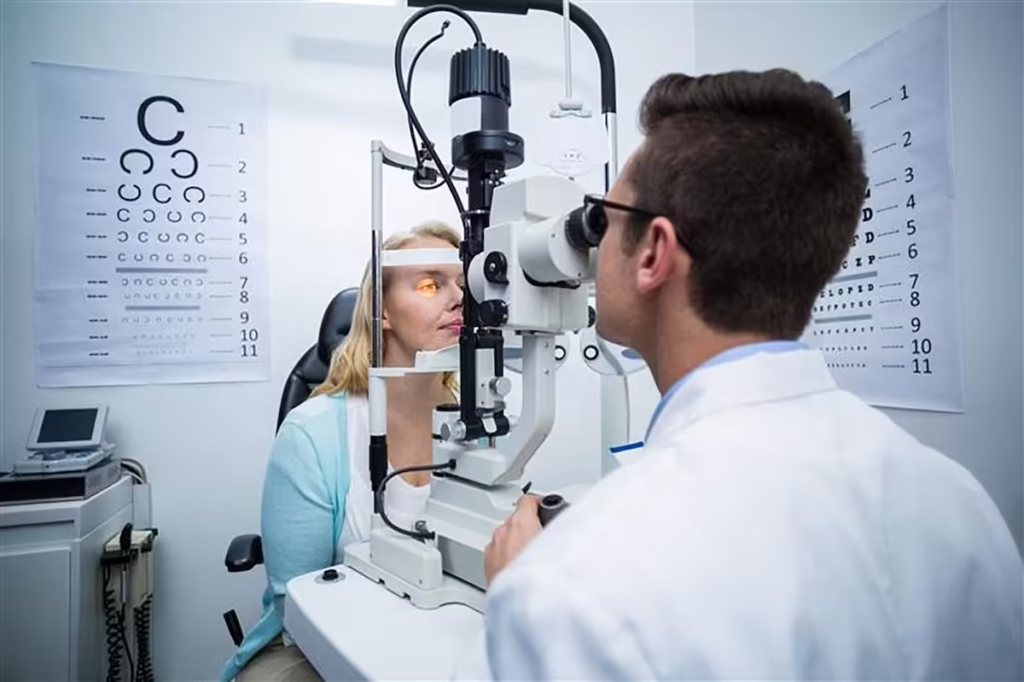
Living with chronic dry eye can be frustrating, but it is a manageable condition. The key is not to dismiss persistent symptoms as just “part of getting older” or “screen fatigue.” If you identify with the symptoms described, schedule an appointment with an eye care professional. They can perform specific diagnostic tests to measure your tear production, tear film stability, and meibomian gland health.
With a proper diagnosis and a tailored treatment plan—which may combine lifestyle changes, over-the-counter aids, prescription medication, and in-office procedures—you can achieve significant relief, protect the health of your eyes, and reclaim the comfort and clarity of your vision. Don’t let dry eye disease cloud your days; effective help is available.