Woman Thought She Had Pink Eye, Now Going Blind at 37
A simple case of what seemed like Pink Eye has turned into a nightmare for a 37-year-old mother who is now facing irreversible blindness. What began as mild irritation and redness escalated into a series of devastating diagnoses, leaving her unable to clearly see her daughter’s face.
This is not just a story about an eye infection gone wrong. It’s a warning about how common symptoms can hide serious conditions—and how delays in proper treatment can change a life forever.
The Beginning: What Looked Like Pink Eye
At first, the symptoms seemed ordinary: redness, itchiness, and a gritty feeling in one eye. Like many people, she assumed it was Conjunctivitis. A quick pharmacy visit and over-the-counter drops felt like the obvious solution.
But the symptoms didn’t improve.
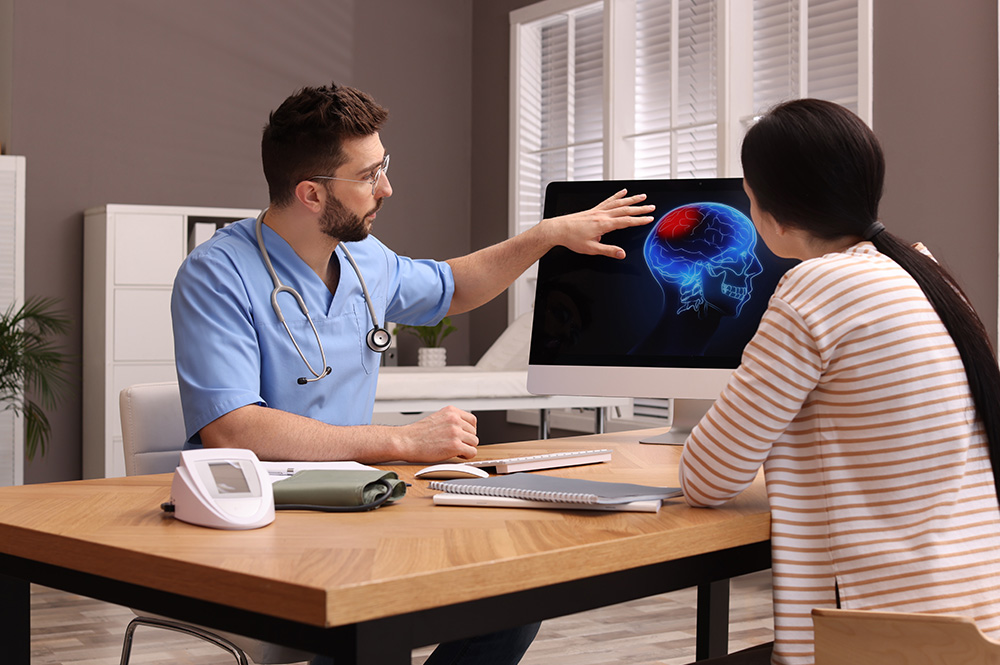
Within days, the redness worsened, light sensitivity became severe, and her vision started to blur. A doctor initially confirmed it looked like pink eye and prescribed antibiotic drops.
When her vision kept deteriorating, further testing revealed something far more serious.
The Shocking Diagnosis: Not Pink Eye
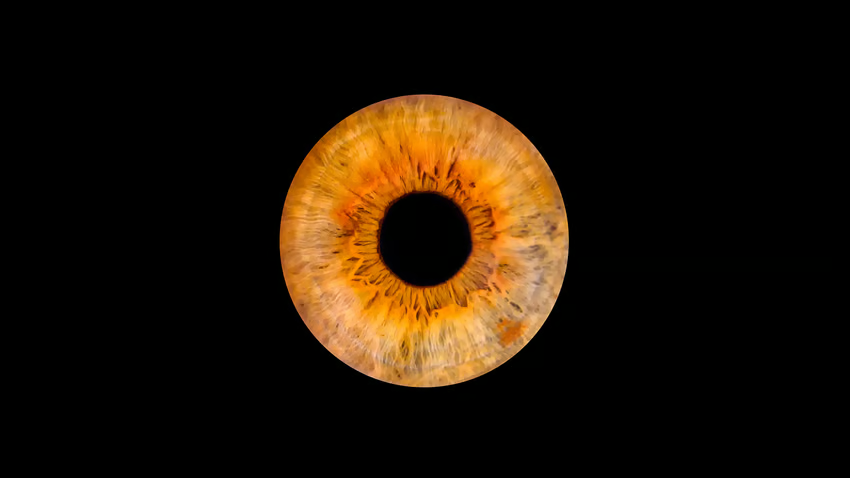
Specialists later diagnosed her with Uveitis—a rare but serious condition that causes inflammation inside the eye. Unlike pink eye, which affects the surface, uveitis damages deeper structures like the iris and surrounding tissues.
Key differences include:
- Pink eye affects the outer eye and often resolves quickly
- Uveitis occurs inside the eye and needs urgent treatment
- Pink eye rarely causes lasting damage
- Uveitis can lead to complications like Glaucoma and Cataracts
- Uveitis often requires steroids or immunosuppressive drugs
By the time the correct diagnosis was made, significant damage had already occurred.
How She Is Losing Her Vision
Before this, she had no history of eye disease. Now, she struggles to recognize her daughter from across the room.
Her condition progressed rapidly:
- Stage 1: Mild irritation (assumed pink eye)
- Stage 2: Blurred vision and light sensitivity
- Stage 3: Diagnosis of uveitis with secondary glaucoma
- Stage 4: Rapid cataract development
- Stage 5: Severe vision loss
Doctors say the damage is permanent. Treatment may slow progression, but lost vision cannot be restored.
Why Misdiagnosis Happens
Confusing Uveitis with Conjunctivitis is more common than many realize.
Reasons include:
- Both cause redness and irritation
- Early symptoms can look similar
- Patients may delay seeing specialists
- General clinics may lack advanced eye exam tools
Eye specialists stress that symptoms lasting more than 48–72 hours need urgent evaluation.
The Link to Cataracts
One alarming part of this case is how quickly Cataracts developed. Normally, cataracts take years—but inflammation from uveitis accelerated the process.
Surgery may help, but it carries risks, especially when the eye is inflamed.
Emotional Impact of Vision Loss
Losing vision at 37 has taken a heavy emotional toll.
She now faces daily challenges:
- Difficulty reading or driving
- Loss of independence
- Anxiety and depression
- Fear about the future
Her daughter has become a source of strength, helping her navigate daily life.
Warning Signs You Should Never Ignore
This story highlights symptoms that should never be dismissed:
- Light sensitivity
- Blurred vision
- Eye pain
- Floaters
- No improvement after a few days
If you experience any of these, consult an eye specialist immediately.
What Happens Next
Doctors are now focused on preserving what vision remains. Treatments include steroids, pressure control for glaucoma, and possible cataract surgery when safe.
She is also using low-vision aids to maintain independence.
Final Takeaway
This case is a powerful reminder: not all eye redness is harmless.
Your vision is fragile. If symptoms don’t improve quickly, don’t assume—it’s better to get checked early than risk permanent damage.