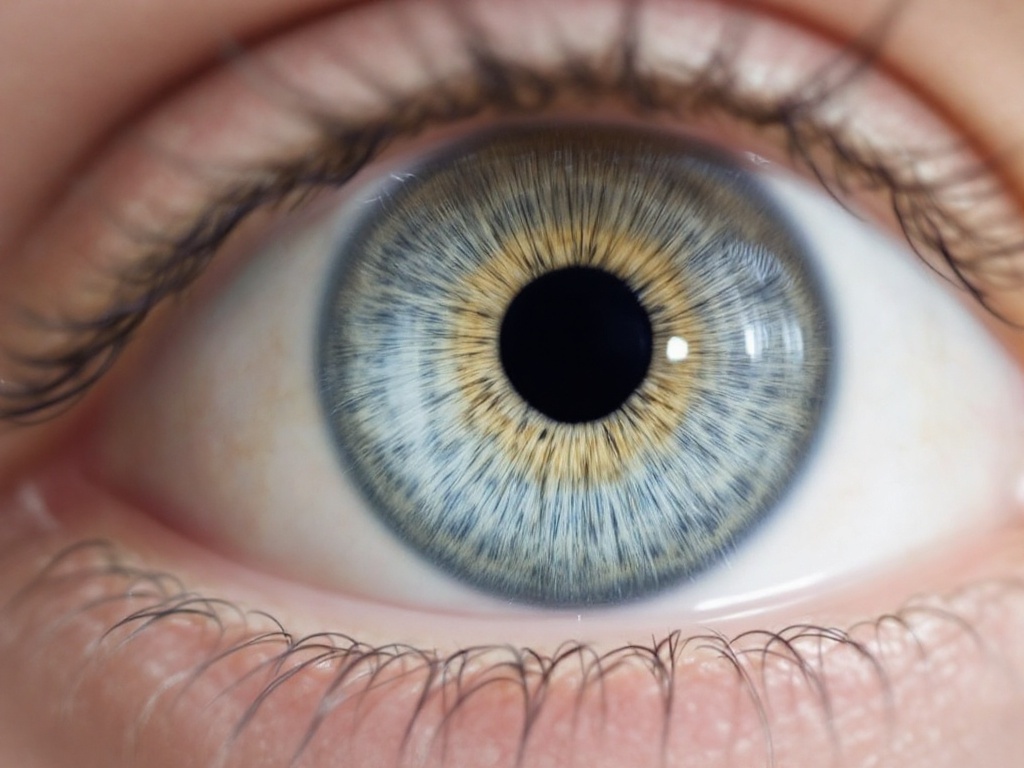
Outlook Therapeutics Eye Disease FDA Approval
A breakthrough treatment for eye disease now available through FDA approval from Outlook Therapeutics
Outlook Therapeutics eye disease drug
A Major Victory for Patients with Dry Eye Disease
Imagine waking up every morning with eyes that feel like sandpaper, struggling through the day with constant discomfort, and finding relief nearly impossible. For millions of Americans living with dry eye disease, this has been their daily reality. The recent FDA approval of Outlook Therapeutics’ innovative treatment represents a turning point in how ophthalmologists approach this chronic condition.
This approval marks a significant achievement in the pharmaceutical industry, bringing a new therapeutic option to patients who have exhausted traditional treatments. The drug represents years of dedicated research and clinical trials designed to address a problem that affects roughly 16 million Americans.
Understanding the Clinical Significance
Dry eye disease isn’t simply about discomfort—it’s a complex inflammatory condition that can lead to serious complications if left untreated. The condition occurs when tears don’t adequately lubricate the eye surface, either because the eye produces insufficient tears or because the tears evaporate too quickly.
Traditional treatments have typically focused on lubricating eye drops or immunosuppressive medications. However, these approaches don’t work for everyone, and some patients develop tolerance over time. The new Outlook Therapeutics drug takes a different approach to addressing the underlying mechanisms of the disease.
What Makes This Treatment Different
The FDA approval reflects extensive research into novel mechanisms for treating ocular surface disease. Rather than simply replacing tears or suppressing inflammation broadly, this medication targets specific pathways involved in eye surface damage and inflammation.
Clinical trial data demonstrated that patients using this treatment experienced measurable improvements in symptoms and clinical signs of dry eye disease. These results were significant enough to convince the FDA that the drug offers a meaningful benefit over existing therapies.
The development process involved rigorous testing to ensure safety and efficacy. Researchers conducted multiple phases of clinical trials, recruiting thousands of participants to gather comprehensive data about how the drug performs in real-world conditions.
The Patient Experience and Benefits
For patients who have struggled with inadequate relief from traditional treatments, this approval offers genuine hope. Many individuals with moderate to severe dry eye disease experience symptoms that interfere with their quality of life, making reading, driving, and screen work nearly impossible.
The new treatment provides an additional tool in the ophthalmologist’s arsenal. Doctors can now offer patients who haven’t responded to conventional therapies a scientifically validated alternative with proven effectiveness.
Access to this medication means that ophthalmologists can personalize treatment plans based on individual patient needs. Some patients may benefit from combining this new therapy with existing treatments, while others might use it as a standalone solution.
Clinical Trial Results That Led to Approval
The journey to FDA approval involved extensive clinical evidence gathering. Study participants were carefully selected to represent the diverse population suffering from dry eye disease, ensuring results would be applicable to varied patient populations.
During these trials, researchers measured both subjective symptoms (how patients felt) and objective clinical signs (what doctors observed). This dual assessment approach provides confidence that the drug truly addresses the underlying disease rather than simply masking symptoms.
The data demonstrated statistically significant improvements in tear production, ocular surface staining, and symptom scores. These measurable outcomes gave regulators the evidence needed to approve the medication for widespread use.
How the Drug Works at the Molecular Level
Understanding the mechanism of action helps explain why this treatment offers a new option. The drug works by addressing specific inflammatory pathways that contribute to tear film instability and ocular surface damage.
Rather than using a broad immunosuppressive approach, the medication targets particular cellular processes involved in dry eye disease. This targeted mechanism potentially reduces side effects while maximizing therapeutic benefit.
The specificity of this approach represents an advancement in how pharmaceutical companies develop treatments for ophthalmic conditions. By focusing on precise biological targets, researchers can create drugs that address root causes rather than merely treating symptoms.
What This Approval Means for the Eye Care Industry
The FDA approval signals growing recognition that dry eye disease deserves sophisticated pharmaceutical solutions. This validation encourages other researchers to pursue novel approaches to ocular surface disease.
For ophthalmology practices, having access to this new medication strengthens their ability to help patients achieve better outcomes. Eye care professionals can now offer a more diverse range of treatment options, allowing for truly individualized care plans.
The approval also demonstrates that regulatory agencies recognize the significant burden that dry eye disease places on patients and healthcare systems. When effective treatments become available, people can return to normal activities and enjoy better quality of life.
Accessibility and Insurance Considerations
Like most newly approved medications, patients and their doctors will need to navigate insurance coverage and cost considerations. Many insurance plans cover FDA-approved treatments for dry eye disease, though specific coverage policies vary.
Ophthalmologists’ offices typically have experience working with insurance companies to secure approval for new medications. Patients should discuss their insurance situation with their eye care provider to understand potential costs and coverage options.
Outlook Therapeutics has indicated commitment to making the drug accessible to patients who need it, including patient assistance programs for those facing financial barriers.
The Broader Impact on Dry Eye Disease Treatment
This approval represents progress in recognizing dry eye disease as a serious medical condition deserving evidence-based pharmaceutical treatment. For too long, patients were told simply to use artificial tears, despite their symptoms persisting.
Now, with multiple treatment options available, ophthalmologists can help more patients achieve meaningful relief. The existence of several different therapeutic approaches means doctors can tailor treatment based on individual patient characteristics and disease severity.
The pharmaceutical industry takes notice when regulatory agencies approve new medications for common conditions. This approval likely encourages continued research into dry eye disease, leading to even more treatment options in the coming years.
Looking Ahead in Eye Disease Treatment
The landscape of ophthalmology continues to evolve as new treatments emerge. This approval demonstrates that innovation in eye care remains robust, with researchers developing solutions for conditions that affect millions of people.
Patients with dry eye disease should discuss all available treatment options with their eye care provider. Having a conversation about whether this newly approved medication might help manage their specific situation is an important step toward better symptom control.
The approval of Outlook Therapeutics’ eye disease drug represents a meaningful advancement in patient care, offering hope to those who have struggled with inadequate relief from traditional approaches. As more patients gain access to this new option, we’ll likely see improved quality of life for many individuals living with this challenging condition.