Why Regular Eye Examinations Matter for Glaucoma Prevention
Imagine reading a road sign, recognising a familiar face or walking through a busy street without difficulty. These everyday activities depend on healthy vision, yet some eye diseases can develop without obvious symptoms until permanent damage has occurred.
Glaucoma is one such condition. It damages the optic nerve, which carries visual information from the eye to the brain, and can lead to irreversible vision loss if it is not detected and managed appropriately.
A report published by The Guardian Nigeria on October 22, 2026, highlighted the work of the Abia State Eye Health Management Bureau, which has examined 33,884 people for eye conditions over two years. The agency also reported treating 31,152 people, performing 1,811 eye surgeries and identifying 6,381 glaucoma cases as part of efforts to reduce avoidable blindness in Abia State, Nigeria.
Abia State Reports Progress in Eye Health Services
Dr Betty Emeka Obasi, administrator of the Abia State Eye Health Management Bureau, shared the figures following activities associated with the 2026 World Sight Day observance. She emphasised the importance of making eye examinations and appropriate treatment more accessible to residents.
The bureau operates 25 eye clinics and vision centres distributed across Abia State’s 17 local government areas. This network is intended to improve access to professional eye care for people who might otherwise struggle to obtain examinations and treatment.
The reported figures cover different services. The 33,884 figure represents people examined for eye ailments, while 31,152 refers to those treated and 1,811 to eye surgeries performed over the two-year period. The 6,381 glaucoma diagnoses highlight the need to identify the disease and connect affected individuals with appropriate care.
These numbers should not be interpreted as a statewide prevalence rate because the report does not establish that everyone in Abia was screened or provide the population-based data needed to calculate how widespread glaucoma is across the state.
What Is Glaucoma and Why Can It Be Difficult to Detect?
Glaucoma describes a group of eye diseases that damage the optic nerve. Elevated pressure inside the eye is an important risk factor, although the disease can also develop in people whose eye pressure falls within the statistically normal range.
The most common form, primary open-angle glaucoma, often progresses gradually. A person may continue reading, working and performing familiar activities while slowly losing peripheral vision, making the early stages difficult to recognise without an examination.
As damage progresses, the field of vision may become increasingly restricted. Advanced disease can cause severe visual impairment or blindness, and vision already lost because of glaucoma generally cannot be restored.
This is why the absence of discomfort or noticeable changes in eyesight does not necessarily mean the optic nerve is healthy. Screening and comprehensive eye examinations can help identify problems before someone becomes aware of significant vision loss.
Who Should Consider Glaucoma Screening?
Although glaucoma can affect people of different ages, the likelihood of developing the disease increases with age. Adults aged 40 and above should discuss appropriate eye examination intervals with an eye care professional, particularly if they have additional risk factors.
Important risk factors include:
- Family history: Having a parent, sibling or other close relative with glaucoma can increase personal risk.
- Increasing age: The likelihood of developing glaucoma generally rises as people get older.
- Elevated eye pressure: Higher intraocular pressure increases risk, although normal pressure does not rule out glaucoma.
- Certain medical conditions: Diabetes and some other health conditions may be associated with increased eye health risks.
- Previous eye injury or surgery: Certain injuries and procedures can increase the risk of particular types of glaucoma.
- Long-term corticosteroid use: Steroid medicines can raise eye pressure in susceptible individuals, so their use should be discussed with a qualified healthcare professional.
People with these risk factors may need more frequent assessments, depending on their individual circumstances. An optometrist or ophthalmologist can recommend an appropriate examination schedule.
Which Tests Can Help Detect Glaucoma?
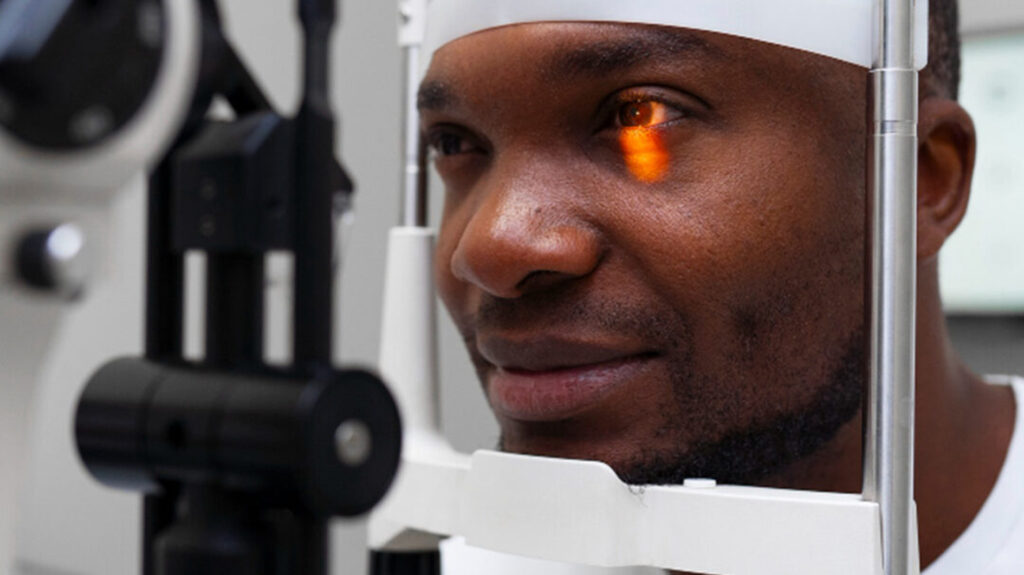
A basic vision test alone cannot reliably rule out glaucoma. A comprehensive examination assesses several aspects of eye health, including the optic nerve, eye pressure and visual field.
Tonometry
Tonometry measures intraocular pressure. It is an important part of glaucoma assessment, but a pressure reading by itself cannot confirm or exclude the disease. Some patients develop glaucoma despite having pressure readings within the usual reference range.
Optic Nerve Examination
An eye care professional examines the optic nerve for structural changes that may indicate glaucoma. Depending on the findings, optical coherence tomography (OCT) may be used to measure and document the layers of nerve fibres at the back of the eye.
Visual Field Testing
This test checks how well a person can detect objects or lights in different parts of their field of vision. It can reveal peripheral vision defects associated with glaucoma, including changes that may not be noticeable during ordinary daily activities.
Gonioscopy
Gonioscopy allows a specialist to examine the drainage angle inside the eye. This helps distinguish different types of glaucoma and assess whether the drainage pathway is open or obstructed.
The appropriate tests depend on the patient’s history and examination findings. If screening suggests a possible problem, a full assessment is necessary to determine whether glaucoma is present and whether treatment is required.
World Sight Day Campaign Focuses on Road Safety
The bureau also used the 2026 World Sight Day activities to raise awareness of the relationship between eye health and road safety. Its outreach included street-to-street education and free eye screening for drivers and passengers at the Professor Nnenna Oti Bus Terminal in Umuahia.
The campaign theme, “Safe Eyes, Safe Roads, Safe Lives,” reflected the importance of good vision for drivers and other road users. The initiative was organised with the Abia State Command of the Federal Road Safety Corps (FRSC) and the state Ministries of Health and Transport.
The commissioners responsible for the ministries, Professor Enoch Uche and Dr Chimezie Ukaegbu, attended the event. According to the report, the bus terminal was selected because commercial drivers and commuters regularly pass through the facility, offering an opportunity to reach a large number of people.
Vision plays a critical role in recognising road signs, estimating distances and noticing pedestrians or obstacles. Poor eyesight can compromise these tasks, particularly in low-light conditions or places where visibility is limited.
However, a screening exercise is not a substitute for a complete eye examination or any legally required assessment of a driver’s fitness to operate a vehicle. Anyone who has difficulty seeing clearly should seek professional evaluation before continuing to drive.
Why Professional Eye Care Matters
Dr Obasi also raised concerns about unqualified eye care providers and the use of medicines or other treatments without professional guidance. The wrong treatment can delay diagnosis, allow an underlying condition to progress or cause additional harm.
Glaucoma management typically aims to reduce the risk of further optic nerve damage. Depending on the type and severity of the disease, a specialist may recommend prescription eye drops, laser procedures or surgery. Regular follow-up appointments are important because treatment often manages progression rather than restoring vision already lost.
Patients should not stop prescribed treatment simply because their eyes feel normal. Glaucoma may progress without obvious symptoms, so decisions about medication or follow-up should be made with the treating professional.
The Guardian report also cited a national blindness survey indicating that 84 per cent of blindness among adults aged 40 and above was avoidable through appropriate interventions and timely care. This figure concerns avoidable blindness in that population, rather than glaucoma alone.
The article further reported global estimates of 1.1 billion people living with vision loss in 2020, with the number projected to reach 1.8 billion by 2050 if more effective preventive measures are not implemented. These figures refer to vision loss broadly and should not be confused with the number of people affected by glaucoma.
When Should You See an Eye Doctor?
Because glaucoma can develop gradually, do not wait for symptoms before arranging routine eye care, particularly if you are over 40 or have a family history of the disease.
Arrange a professional assessment if you notice persistent changes in your vision, difficulty seeing objects at the edges of your visual field or other unexplained visual disturbances. These symptoms can have several causes and require appropriate evaluation.
Seek urgent medical attention if you suddenly develop severe eye pain, a red eye, blurred vision, coloured halos around lights, a severe headache, nausea or vomiting. These symptoms can indicate acute angle-closure glaucoma or another eye emergency that needs immediate treatment.
Practical Steps to Protect Your Eyesight
The figures reported by the Abia State Eye Health Management Bureau demonstrate the scale of its eye care activities and the importance of identifying conditions that might otherwise go unnoticed. The 6,381 reported glaucoma cases reinforce the need to connect screening with appropriate diagnosis, treatment and continued monitoring.
For individuals, the next step is straightforward: schedule a comprehensive eye examination with a qualified optometrist or ophthalmologist. Tell the professional about any family history of glaucoma, existing medical conditions, previous eye injuries and medicines you use.
If you live in Abia State, you can also enquire about available services through the bureau’s eye clinics and vision centres. Confirm the location, eligibility requirements and current availability of screening before visiting.
Regular examinations, early diagnosis and consistent professional care offer practical ways to protect remaining vision and reduce the risk of preventable blindness. Taking action before symptoms appear can make an important difference to long-term eye health.