Glaucoma Eye Drops: Types, Uses, and Treatment Guide
Glaucoma eye drops are one of the main treatments used to lower intraocular pressure and help prevent optic nerve damage. These medications are prescribed to slow the progression of glaucoma and reduce the risk of vision loss.
Different types of eye drops work in different ways, depending on the patient’s condition and eye pressure level.
Types of Glaucoma Eye Drops
Below are the main categories of glaucoma medications used in treatment:
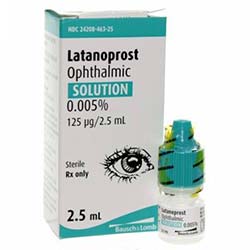
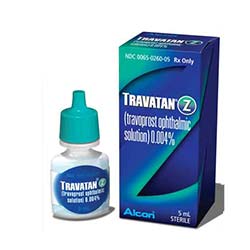
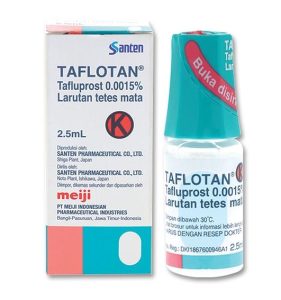
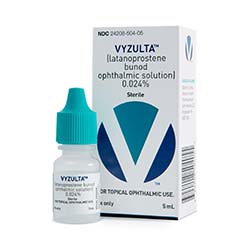
Prostaglandin Analog Eye Drops
These are commonly used as first-line treatment for glaucoma. They help increase fluid drainage from the eye, which lowers intraocular pressure effectively. Most are used once daily.
Beta Blockers
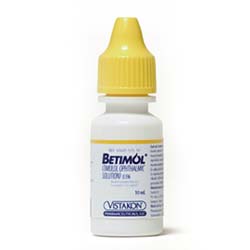
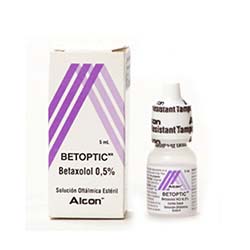
Beta blockers reduce the production of fluid inside the eye. They are often used when additional pressure control is needed or combined with other medications.
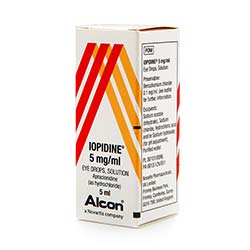
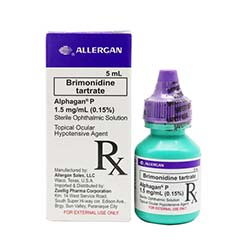
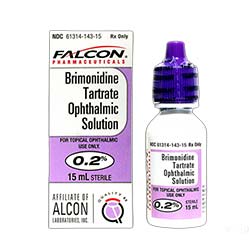
Alpha-Adrenergic Agonists
These eye drops both reduce fluid production and increase drainage. They are often prescribed when single medications are not enough to control eye pressure.
Carbonic Anhydrase Inhibitors
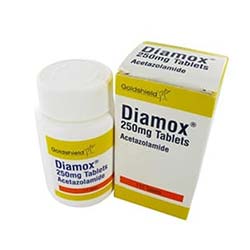
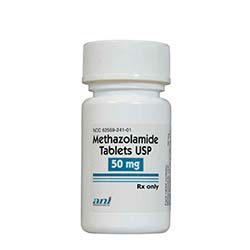
These medications lower eye pressure by reducing fluid production in the eye. They can be used as eye drops or sometimes in oral form for stronger effect.
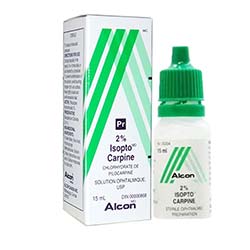
Miotic or Cholinergic Agents
These help improve fluid drainage by tightening the eye’s drainage system. They are less commonly used today but may still be prescribed in specific cases.
Rho Kinase Inhibitors
A newer class of glaucoma medication that helps increase fluid outflow and improve blood flow in the eye, supporting lower eye pressure.
Nitric Oxide Donating Agents
These help relax the drainage pathway in the eye, improving fluid outflow and reducing pressure.
Combination Eye Drops
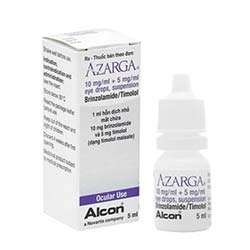
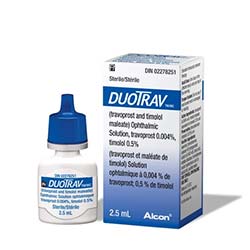
Combination drops contain two different medications in one bottle. They help reduce the number of drops a patient needs daily and improve treatment compliance.
Oral Medications
In some cases, oral medications are prescribed when eye drops alone are not enough. These are usually used for short-term or emergency pressure control.
How Glaucoma Eye Drops Help
Glaucoma eye drops work by:
- Reducing fluid production in the eye
- Increasing fluid drainage
- Or doing both at the same time
By controlling eye pressure, they help protect the optic nerve from further damage.
Important Notes for Patients
- Use eye drops exactly as prescribed by your doctor
- Do not skip doses
- Attend regular eye check-ups to monitor pressure
- Inform your doctor if you experience side effects
Glaucoma is a long-term condition, and consistent treatment is important for preserving vision.
Conclusion
Glaucoma eye drops play a critical role in managing eye pressure and slowing disease progression. Understanding the different types of medications helps patients follow their treatment plan more effectively and maintain better eye health.