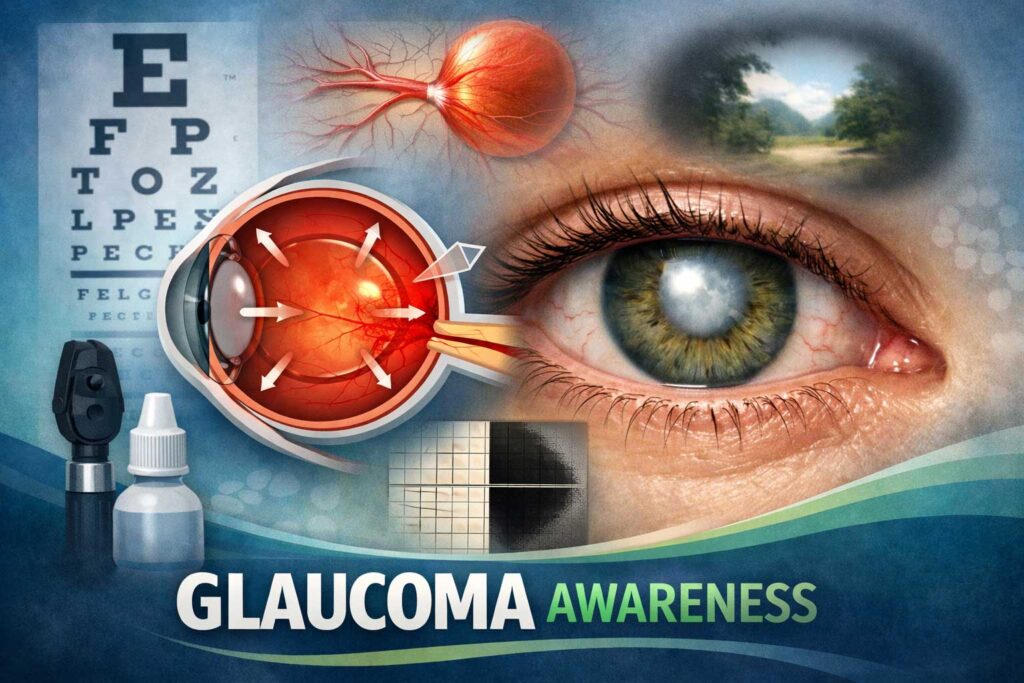
Glaucoma in Mexico: Preventing Blindness Through Early Care
Mexico faces a growing challenge in glaucoma prevention, with many patients at risk of irreversible vision loss due to delayed diagnosis. This article focuses on early care initiatives in Mexico, current treatment approaches, and strategies to reduce blindness from glaucoma nationwide.
Early Detection and Its Impact in Mexico
Early intervention is key to reducing glaucoma-related blindness.
Regular eye exams are promoted in urban clinics
High-risk populations receive targeted screening
Early detection improves long-term vision preservation
Mexico’s healthcare system is increasingly emphasizing proactive eye care.
Public Awareness and Education Programs
Awareness campaigns aim to inform citizens about glaucoma risks.
Many patients remain unaware until advanced stages
Community outreach educates on symptoms and preventive care
Awareness drives can improve adherence to treatment plans
Knowledge empowers patients to seek care before serious damage occurs.
Treatment Access and Care Practices
Treatment varies by region, impacting glaucoma management.
Urban centers offer a combination of medication, laser therapy, and surgery
Rural regions often have limited access to specialists
Consistent follow-up is essential for pressure control and vision stability
Accessibility directly influences long-term outcomes.
Comparing Care Costs Internationally
Financial considerations affect treatment choices.
Learn about U.K. glaucoma care expenses in 2025.
Understanding global cost standards helps Mexican patients make informed decisions and highlights areas for healthcare improvement.
Surgical Approaches in Mexico
Advanced glaucoma cases increasingly rely on surgical intervention.
Minimally invasive surgeries are gaining popularity
Laser treatments reduce medication dependence
Early surgery can prevent progression to severe vision loss
Optimizing timing and technique enhances patient outcomes.
Future Outlook for Glaucoma in Mexico
The outlook for glaucoma care in Mexico emphasizes prevention.
Population aging increases prevalence risk
Investment in early detection programs is critical
Trained specialists and widespread screening will reduce blindness rates
Early care strategies are essential to safeguard vision for future generations.
Conclusion
Mexico’s approach to glaucoma prevention focuses on early detection, patient education, and accessible treatment. Strengthening these measures ensures better vision outcomes and lowers the long-term burden of blindness.