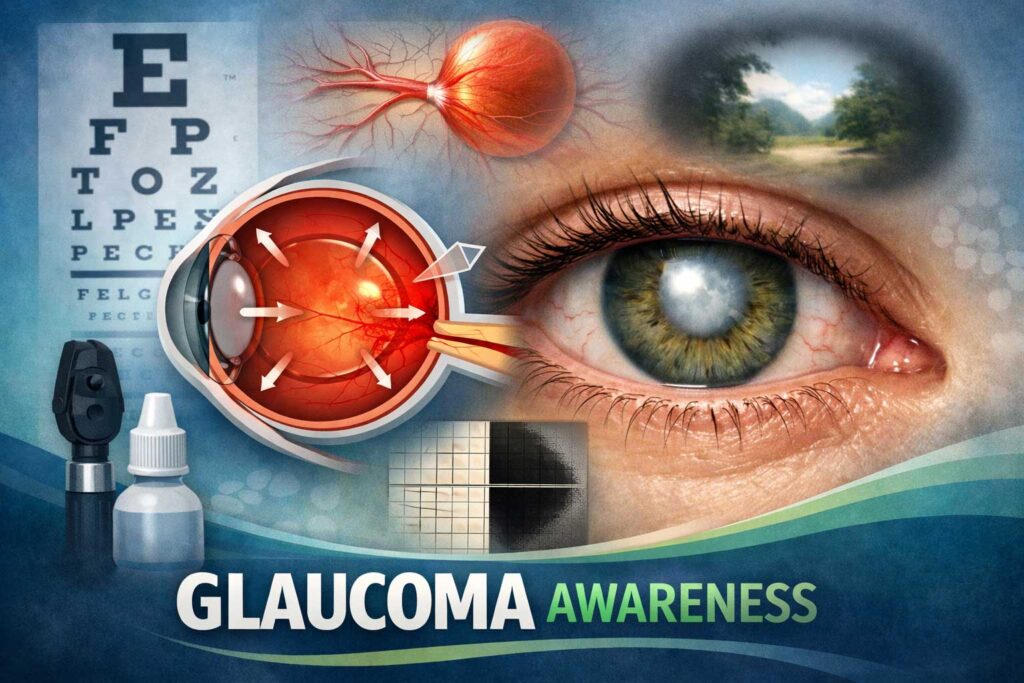
Top Glaucoma and Retina Trends at ASCRS & ASOA Annual Meetings
The ASCRS & ASOA Annual Meetings are among the most anticipated events in ophthalmology, bringing together leading experts to discuss innovations in eye care. This year, the spotlight was on glaucoma and retina treatments, highlighting new technologies, surgical techniques, and pharmaceutical developments shaping the future of ophthalmology.
In this article, we explore the top trends and breakthroughs presented at the meetings, offering insights into the evolving landscape of glaucoma and retina care.
1. Advances in Glaucoma Treatment
Minimally Invasive Glaucoma Surgery (MIGS) Evolves
MIGS procedures continue gaining attention due to their safety and effectiveness in lowering intraocular pressure (IOP). Highlights included:
-
Next-generation MIGS devices – New stents and implants provide improved outcomes with fewer complications.
-
Combination therapies – MIGS paired with cataract surgery enhances patient results.
-
Long-term efficacy – Data shows sustained IOP reduction over several years, supporting MIGS as a first-line option.
Artificial Intelligence (AI) in Glaucoma Diagnosis
AI-powered tools are transforming detection and monitoring:
-
Automated visual field analysis – Faster, more accurate interpretation of visual field tests.
-
OCT imaging enhancements – Machine learning improves early detection of optic nerve changes.
2. Breakthroughs in Retina Care
Gene Therapy for Inherited Retinal Diseases
Gene therapy is revolutionizing treatment for inherited retinal disorders such as Leber congenital amaurosis (LCA) and retinitis pigmentosa (RP):
-
FDA-approved therapies – Real-world outcome updates highlight treatment effectiveness.
-
Emerging gene-editing techniques – CRISPR-based approaches show promise in preclinical studies.
Extended-Release Drug Delivery Systems
Chronic retinal conditions like diabetic macular edema (DME) and wet AMD require frequent injections. New sustained-release options aim to reduce treatment burden:
-
Port Delivery Systems (PDS) – Implants release anti-VEGF drugs over months.
-
Biodegradable implants – Reduce the need for surgical removal.
AI and Imaging in Retinal Diagnostics
AI innovations enhance retinal care:
-
Automated OCT analysis – Faster detection of fluid accumulation and structural abnormalities.
-
Predictive analytics – Identifies high-risk patients before vision loss occurs.
3. Surgical Innovations in Glaucoma and Retina
Micro-Invasive Techniques for Glaucoma
Ultra-precise tools improve safety and outcomes:
-
Microcatheter-assisted trabeculotomy – Enhances fluid outflow with minimal trauma.
-
Laser-assisted procedures – Refined selective laser trabeculoplasty (SLT) improves efficacy.
Robotic-Assisted Retinal Surgery
Robotics enhances precision in vitreoretinal procedures:
-
Improved maneuverability – Facilitates delicate surgical maneuvers.
-
Reduced surgeon fatigue – Ensures consistent procedural outcomes.
4. Pharmaceutical Developments
Novel Glaucoma Medications
New drug classes expand treatment options:
-
Rho kinase inhibitors – Provide additional IOP-lowering mechanisms.
-
Neuroprotective agents – Aim to preserve optic nerve function beyond IOP control.
Next-Generation Anti-VEGF Therapies
Retina care innovations include:
-
Biosimilars – Cost-effective alternatives to traditional anti-VEGF drugs.
-
Dual-action drugs – Target multiple pathways for improved efficacy.
5. Patient-Centric Approaches
Telemedicine and Remote Monitoring
Telehealth continues to grow in ophthalmology:
-
Home-based tonometry – Patients can monitor IOP remotely.
-
Virtual consultations – Expands access to specialists.
Personalized Treatment Plans
AI and genetic testing allow doctors to tailor therapies to individual patient profiles, improving outcomes and reducing treatment burden.
Conclusion
The ASCRS & ASOA Annual Meetings highlighted a wave of innovation in glaucoma and retina care. From AI-driven diagnostics to gene therapy, minimally invasive surgeries, and robotic assistance, these advancements promise to enhance patient outcomes, simplify treatments, and shape the future of ophthalmology.
Stay informed as these trends continue to transform eye care, offering patients and physicians new opportunities to preserve and improve vision.