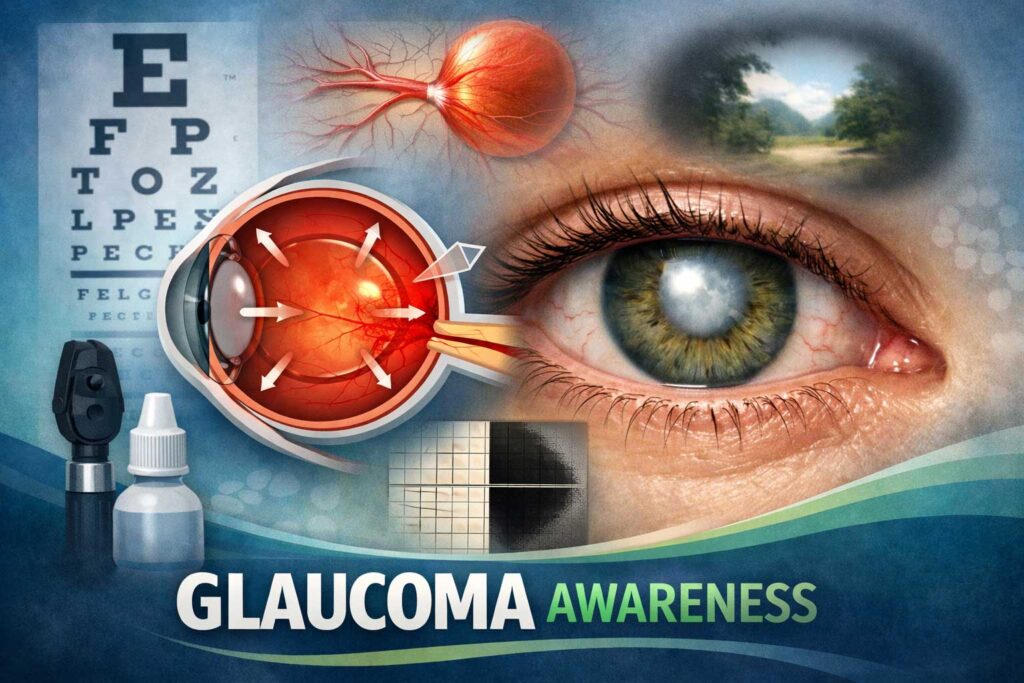
Brazil’s Fight Against Glaucoma: Key Facts in 2025
Why Glaucoma Awareness Is Rising in Brazil
In 2025, Brazil’s glaucoma strategy continues to evolve as public health agencies push for earlier detection and broader patient education. The country faces a growing number of vision-threatening cases, driven by aging demographics and uneven access to specialized eye care.
National focus has shifted toward prevention, affordability, and long-term disease control.
Glaucoma Case Growth Across Brazil
Recent estimates show a steady rise in glaucoma cases in Brazil, particularly in urban and densely populated regions. Contributing factors include:
Increased life expectancy
Better diagnostic coverage
Higher screening rates in public hospitals
Expanded reporting across rural areas
This growth has pushed glaucoma management higher on Brazil’s healthcare priority list.
Populations at Higher Risk
Certain groups are more affected by glaucoma in Brazil, prompting targeted screening initiatives:
Adults aged 55 and older
Individuals with a family history of glaucoma
Patients with diabetes or cardiovascular conditions
Low-income communities with delayed eye exams
Public health campaigns now focus on reaching underserved populations earlier.
Screening and Diagnosis Trends in 2025
Glaucoma screening in Brazil has improved significantly, especially through public healthcare networks. Current trends emphasize:
Routine intraocular pressure checks
Optic nerve imaging in referral centers
Expanded use of tele-ophthalmology
Faster referrals for high-risk patients
Earlier diagnosis remains a key factor in preventing irreversible vision loss.
Treatment Access and Care Pathways
Glaucoma treatment in Brazil varies by region, but access continues to expand. Patients commonly rely on:
Government-subsidized eye drops
Laser treatments in public hospitals
Surgical options for advanced cases
Long-term monitoring through SUS facilities
Efforts in 2025 aim to reduce waiting times and improve treatment continuity.
Cost Challenges and Patient Planning
Despite subsidies, glaucoma care costs in Brazil remain a concern for many patients. Expenses may include:
Prescription medications
Follow-up diagnostics
Surgical procedures
Transportation to specialist centers
Understanding international care costs can provide useful context for long-term planning.
👉 Learn about U.K. glaucoma care expenses in 2025.
This comparison helps patients see how treatment expenses differ globally.
How Patients Can Respond in 2025
To adapt to current glaucoma trends in Brazil, patients are encouraged to:
Schedule regular eye examinations
Follow prescribed treatments consistently
Monitor changes in vision or eye pressure
Seek early referrals when symptoms worsen
Stay informed about public health programs
Proactive involvement significantly improves long-term outcomes.
The Future of Glaucoma Control in Brazil
Brazil’s ongoing fight against glaucoma centers on:
Earlier detection nationwide
Expanded access to treatment
Improved patient education
Sustainable public healthcare funding
With continued investment, 2025 marks a turning point in protecting vision for millions.