Managing Glaucoma Stress: A Guide for Filipinos
I. Introduction
In the Philippines, over half a million people live with glaucoma, often called the “silent thief of sight.” Beyond the physical risks, the stress of coping with this condition can be just as challenging. This guide provides practical strategies to help Filipinos manage glaucoma-related stress effectively.
II. Understanding Glaucoma
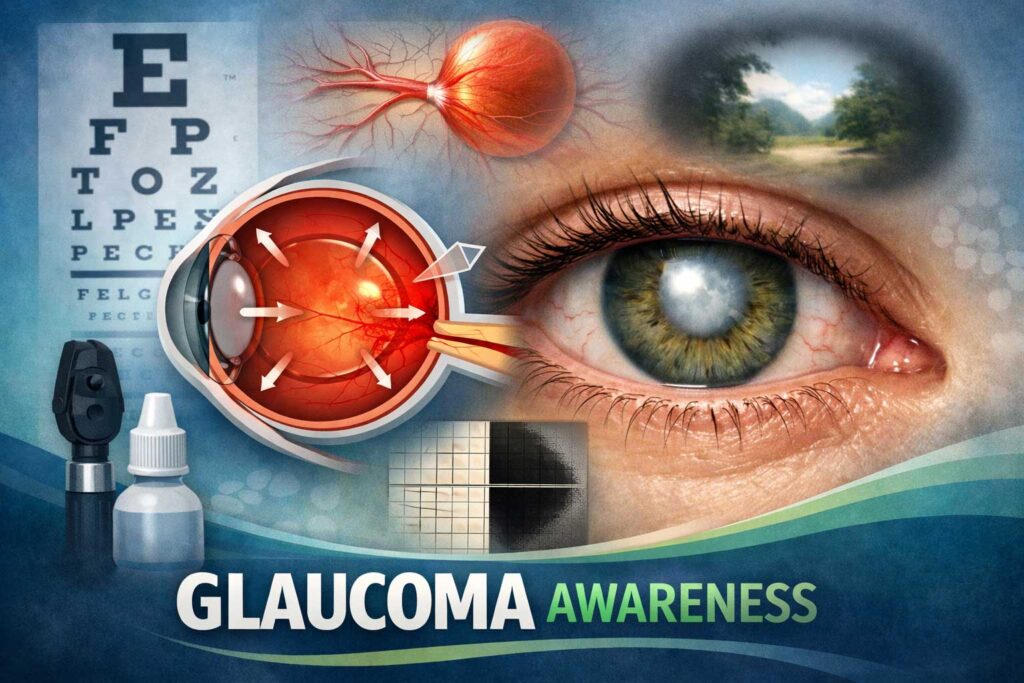
Glaucoma is a progressive eye condition that damages the optic nerve, potentially leading to irreversible blindness if untreated. Common symptoms include blurred vision, reduced peripheral vision, eye pain, and headaches. For example, Juan, a rice farmer from Bicol, noticed his peripheral vision gradually shrinking—an early sign that eventually led to his glaucoma diagnosis.
III. The Stress of Glaucoma
Glaucoma often triggers stress due to its gradual nature, the uncertainty of vision loss, and the demands of ongoing treatment. In Filipino culture, where clear vision supports work, family, and daily life, this stress can feel especially heavy. Individuals like Juan often experience anxiety about maintaining independence and fulfilling their roles at home and in the community.
IV. Top 5 Coping Techniques for Glaucoma-Related Stress
- Regular Exercise
Physical activity helps reduce stress and may even lower eye pressure. Traditional Filipino exercises, like the folk dance Tinikling, offer both movement and cultural connection. - Balanced Diet
Eating nutrient-rich local foods—such as malunggay, dilis, and fresh vegetables—can support overall health, combat stress, and potentially slow glaucoma progression. - Support Networks
Embrace the Filipino spirit of Bayanihan. Share your experiences with family, friends, and neighbors. Being part of a supportive community can alleviate anxiety and strengthen emotional resilience. - Mindfulness and Relaxation
Practices like daily meditation or a traditional Filipino massage (Hilot) help release stress and create a sense of balance. Even a few minutes each day can make a difference. - Regular Eye Check-ups
Frequent visits to an ophthalmologist are essential. Glaucoma progresses silently, so even if your vision seems stable, never skip appointments. Early detection is key to preventing further vision loss.
V. Voices from the Ground: Real Stories
- Diana from Quezon City finds comfort in her neighborhood prayer group and a diet rich in leafy greens.
- Mark from Cebu relies on his morning jog and consistent visits to his ophthalmologist to stay on top of his condition.
These stories highlight that managing glaucoma stress is not only about medical care but also about community, lifestyle, and self-care.
VI. Conclusion
Living with glaucoma is a challenge, but Filipino patients need not face it alone. By incorporating these coping strategies, stress becomes more manageable, and daily life more fulfilling. Always consult healthcare professionals for guidance tailored to your situation, and remember—you are more than your glaucoma.