Glaucoma Screening: What You Need to Know About Costs
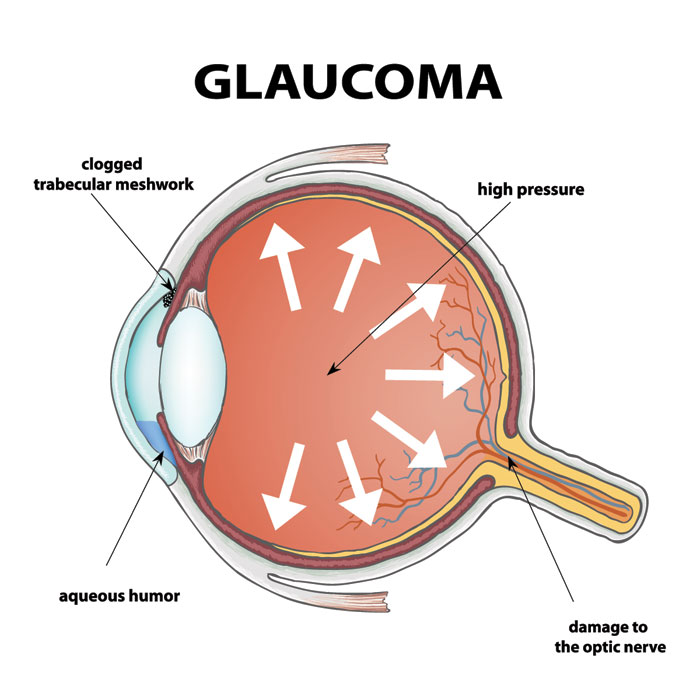
Glaucoma is a leading cause of vision loss worldwide, often developing silently without early symptoms. If left untreated, it can cause irreversible blindness. Regular glaucoma screening is essential for early detection and timely treatment. But how much does a glaucoma screening cost, and what factors influence the price? Let’s break it down.
How Much Does Glaucoma Screening Cost?
The cost of glaucoma screening typically ranges between $100 and $200 per session, though prices can vary significantly based on:
-
Location – Urban clinics and private hospitals often charge more compared to community health centers.
-
Type of Tests Required – Patients with a higher risk or existing eye conditions may need additional diagnostic tests, increasing the cost.
-
Clinic or Specialist Fees – Experienced ophthalmologists or high-end clinics may have higher consultation charges.
Insurance and Glaucoma Screening
Health insurance can significantly reduce out-of-pocket expenses. Many insurance providers cover at least part of the screening cost, but coverage depends on:
-
Your policy terms
-
Deductible and co-pay amounts
-
Whether the screening is considered preventive or diagnostic
It’s always best to confirm with your insurance provider before scheduling your appointment.
Full pricing guide for glaucoma operations in the Philippines – click here
If you’re planning ahead for potential treatment, understanding the full cost of glaucoma operations can help you make informed decisions.
Free or Low-Cost Glaucoma Screening Options
For individuals concerned about cost, several resources can help:
-
Community Health Programs – Many local health organizations offer free screening events throughout the year.
-
Non-Profit Organizations – Some NGOs and medical missions provide glaucoma screening at reduced or no cost.
-
Eye Health Campaigns – Check with hospitals or optical clinics for discounted screening during awareness months like World Glaucoma Week.
Tips to Reduce Screening Costs
-
Compare Providers – Community clinics often charge less than private hospitals.
-
Negotiate with Providers – Some clinics may adjust fees based on your situation.
-
Schedule Based on Risk – High-risk individuals (e.g., family history, diabetes, over 40 years old) need more frequent screening. If you’re low-risk, your doctor may recommend less frequent tests.
FAQs About Glaucoma Screening
Q1: Who is at risk for glaucoma?
Age, family history, race (African or Asian descent), and high intraocular pressure increase the risk.
Q2: What happens during a glaucoma screening?
Common tests include tonometry (eye pressure measurement), optic nerve assessment, and peripheral vision testing.
Q3: How often should I get screened?
Low-risk adults should be screened every 2–4 years starting at age 40, while high-risk individuals may need annual screenings.
Q4: Can I negotiate screening costs?
Yes, some providers offer flexible pricing or discounts—especially for cash payments.
Q5: Are there alternative methods to standard screenings?
Most clinics rely on standard tests, but new technologies for early detection are emerging. Ask your doctor about available options.
Conclusion
Understanding the cost of glaucoma screening is key to maintaining healthy vision and preventing blindness. By exploring insurance coverage, community programs, and affordable providers, you can make screenings more accessible. Remember: early detection saves vision, so don’t delay your next appointment.