New Glaucoma Treatment Brings Hope for Protecting Vision
Imagine gradually losing your side vision without realizing anything is wrong. That is one of the dangers of glaucoma, an eye disease that can progress quietly until permanent damage has already occurred.
A new surgical option introduced at Curaçao Medical Center (CMC) is offering additional hope to patients at risk of further vision loss. Announced in October 2026, the procedure uses a specialized implant to help drain excess fluid from the eye and reduce intraocular pressure.
According to reports published on October 15, 2026, eleven patients with glaucoma underwent the operation during the preceding week. CMC reported that eye pressure decreased successfully in all eleven cases following treatment.
The hospital’s introduction of the procedure marks an important development in specialized glaucoma care in Curaçao. However, successful pressure reduction does not mean that existing vision loss can be reversed or that future damage is impossible.
How the EyePlate 300-S Implant Helps Control Glaucoma
The procedure involves placing an implant called the EyePlate 300-S inside the eye. Its purpose is to provide a pathway for excess aqueous humor, the clear fluid naturally produced inside the eye, to drain away.
Aqueous humor helps maintain the eye’s structure, but its production and drainage must remain balanced. When fluid does not drain adequately, pressure can rise and contribute to damage of the optic nerve, which carries visual information from the eye to the brain.
By helping fluid leave the eye, the implant is designed to lower intraocular pressure (IOP). Reducing pressure can help limit additional optic nerve damage and preserve the vision a patient still has.
This approach is particularly relevant for people whose glaucoma remains difficult to control with medication or earlier treatments. An ophthalmologist must determine whether the implant is appropriate based on the type and severity of glaucoma, the patient’s eye health, and their treatment history.
Glaucoma includes several different conditions, and not every patient requires surgery. Some people can manage their disease with prescribed eye drops, laser treatment, or other approaches, while others may need an operation to achieve a suitable pressure level.
Eleven Patients Receive the New Procedure at CMC
The initial group consisted of eleven glaucoma patients treated at Curaçao Medical Center. The hospital reported successful reductions in eye pressure for all eleven, although detailed numerical measurements and long-term outcomes were not included in the available reports.
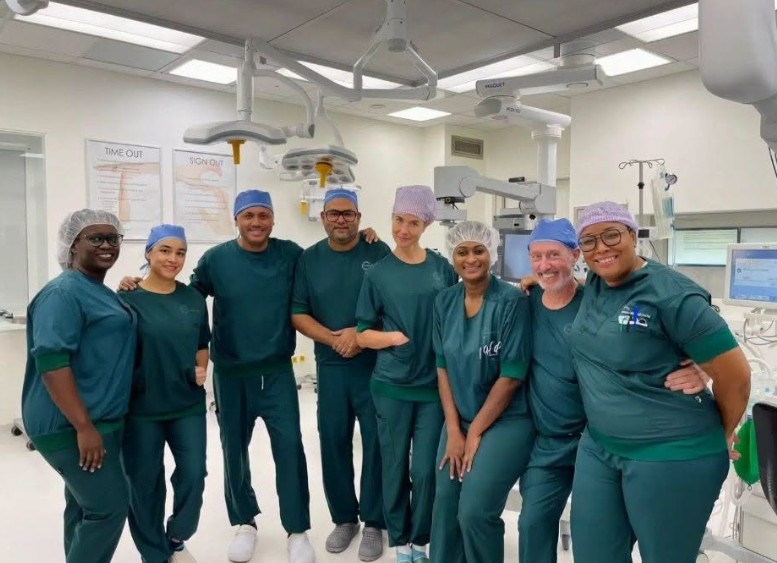
The operations were performed by CMC ophthalmologist Dr. Michael Siban in collaboration with Dr. Gyan Soerjoesing, a glaucoma specialist who traveled from the Netherlands to assist with introducing the technique.
CMC spent several years preparing to introduce the treatment. The preparation included specialized training in glaucoma surgery, allowing the hospital to develop the skills needed to provide this procedure locally.
Reports identified CMC as the first hospital in the Caribbean to perform this particular implant-based glaucoma procedure. This distinction concerns the introduction of the specific technique, rather than the first glaucoma surgery of any kind in the region.
The hospital intends to develop the capability to perform the operations independently in Curaçao. However, the available reports did not establish a specific date for fully independent procedures or provide an estimate of how many patients might qualify each year.
Providing specialized treatment locally could eventually reduce the need for some patients to travel abroad for certain glaucoma procedures. Whether an individual can receive the operation at CMC will depend on clinical eligibility, specialist assessment, and the hospital’s available services.
Why Glaucoma Is Often Discovered Too Late
One of the greatest challenges in glaucoma care is that early disease frequently causes no noticeable symptoms. A person may continue reading, working, and driving while gradual changes in peripheral vision go undetected.
As the disease progresses, patients may experience narrowing of their visual field. Advanced glaucoma can severely restrict sight, and damage to the optic nerve is generally irreversible.
CMC has highlighted the importance of early detection, particularly for people aged 35 and older who have a family history of glaucoma. The hospital recommends that this group arrange regular eye examinations.
Family history matters because having a close relative with glaucoma increases a person’s risk of developing the disease. People of African or Afro-Caribbean ancestry also have an increased risk of certain glaucoma types, making awareness and appropriate screening especially important.
Routine assessment can identify problems before obvious symptoms develop. Depending on the patient’s circumstances, an eye examination may include tonometry to measure eye pressure, an optic nerve assessment, visual field testing, and optical coherence tomography (OCT) to evaluate the structure of the nerve.
Gonioscopy may also be used to examine the drainage angle inside the eye. These tests help an ophthalmologist determine whether glaucoma is present and whether treatment or closer monitoring is needed.
What Patients Should Know About Surgery and Recovery
Although the initial results reported by CMC are encouraging, the number of patients treated remains small. More follow-up information will be needed to understand how consistently the implant maintains lower pressure over time and whether patients require additional treatment.
As with other eye operations, implant-based glaucoma surgery can carry risks. The exact risks depend on the procedure and the individual patient, so the treating ophthalmologist should explain potential complications, expected recovery, and follow-up requirements before surgery.
Patients should also understand that lowering eye pressure does not restore sight already lost to glaucoma. The aim is to reduce the likelihood of further damage and protect remaining vision for as long as possible.
After an operation, patients need to follow their surgeon’s instructions and attend scheduled appointments. Follow-up may include repeated pressure measurements, examination of the surgical site, and assessment of the optic nerve and visual function.
Frequently Asked Questions
Does the EyePlate 300-S cure glaucoma?
No. The implant is intended to improve fluid drainage and reduce pressure inside the eye. It may help slow or prevent additional damage, but it cannot reverse existing optic nerve injury or guarantee that glaucoma will stop progressing.
Who may be considered for this operation?
The procedure may be considered for selected patients whose glaucoma is not adequately controlled by medication or previous treatment. An ophthalmologist must assess each patient’s condition and determine the most appropriate approach.
Should people without symptoms get checked for glaucoma?
Yes, particularly people with recognized risk factors such as a family history of the disease. CMC specifically recommends regular examinations for people aged 35 and older who have glaucoma in their family.
When to Seek Medical Attention for Possible Glaucoma
Do not wait for noticeable vision loss before arranging an eye examination if you have glaucoma risk factors. Regular screening can help identify the disease before substantial damage occurs.
Seek urgent medical attention if you experience sudden severe eye pain, a red eye with blurred vision, halos around lights, a severe headache, nausea, or vomiting. These symptoms can indicate acute angle-closure glaucoma, which requires immediate assessment.
People already diagnosed with glaucoma should continue their prescribed treatment unless their ophthalmologist advises otherwise. A newly available surgical option does not automatically make medication or routine monitoring unnecessary.
CMC’s introduction of the EyePlate 300-S procedure represents a promising expansion of specialized glaucoma care in Curaçao. For patients and families, the most practical next step remains early detection: arrange a comprehensive eye examination, discuss personal risk factors with an ophthalmologist, and ask about treatment options before preventable vision loss occurs.