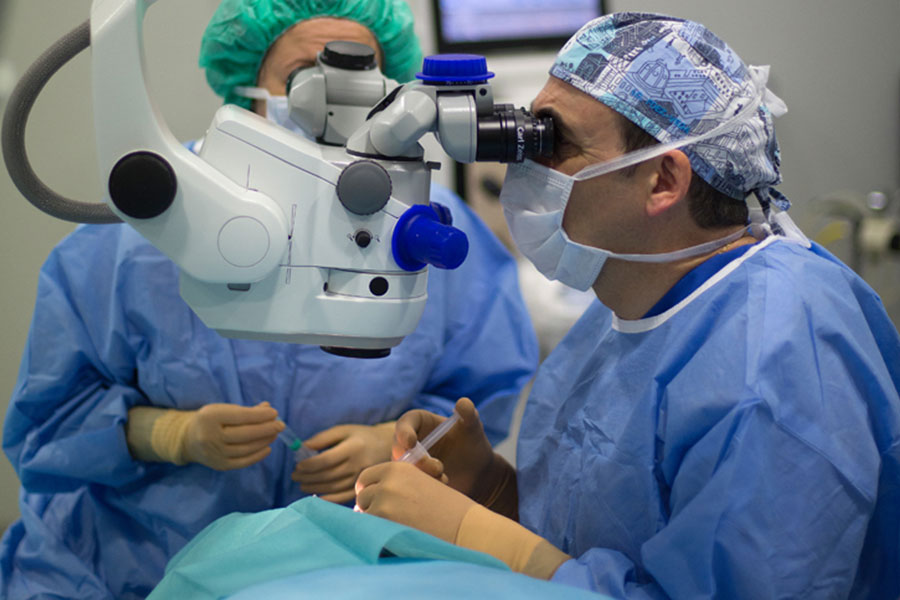
Deep Sclerectomy Surgery in the Philippines
Managing glaucoma effectively often requires surgical intervention, especially when medications or laser treatments fail to keep intraocular pressure (IOP) under control. One of the advanced surgical techniques gaining recognition worldwide is Deep Sclerectomy—a non-penetrating glaucoma surgery that offers safer and more controlled pressure reduction compared to traditional filtering surgeries like trabeculectomy.
This guide provides a comprehensive overview of Deep Sclerectomy in the Philippines, including its procedure, benefits, risks, cost, availability, and what patients should expect before and after surgery.
Overview of Deep Sclerectomy
Deep Sclerectomy is designed to lower IOP without creating a full-thickness opening into the anterior chamber. Unlike trabeculectomy, which penetrates the eye and creates a new drainage passage, deep sclerectomy enhances the eye’s natural drainage system by partially removing layers of tissue, reducing pressure in a more gradual and controlled manner.
This approach minimizes complications such as hypotony (excessively low eye pressure), which is a common concern in traditional glaucoma surgeries.
Why Choose Deep Sclerectomy Over Other Surgeries?
-
Controlled Pressure Reduction: Reduces risk of sudden IOP drops.
-
Lower Complication Rates: Less risk of infections and scarring compared to trabeculectomy.
-
Better Post-Operative Comfort: Patients experience fewer side effects and quicker recovery times.
How Deep Sclerectomy Works
The surgical process involves creating two scleral flaps:
-
Superficial Scleral Flap: Provides coverage and prevents sudden fluid leakage.
-
Deep Scleral Flap: This flap, along with part of the trabecular meshwork, is removed to open up Schlemm’s canal and improve fluid outflow.
Unlike full-penetration techniques, the anterior chamber remains intact, which significantly lowers complication risks.
To maintain consistent drainage and reduce scarring, surgeons may insert collagen implants or use viscocanalostomy techniques, which help keep the filtration area open during the healing process.
Benefits of Deep Sclerectomy
Deep Sclerectomy offers multiple advantages, making it a preferred option for specific glaucoma cases:
-
Lower Risk of Post-Op Complications: Reduced chances of bleb-related problems like infections.
-
Gradual Pressure Reduction: Helps avoid sudden drops that could damage the optic nerve.
-
Faster Recovery: Patients can typically return to normal activities sooner than with trabeculectomy.
-
Less Dependence on Medications: Many patients reduce or completely stop using glaucoma drops after surgery.
Risks and Considerations
While Deep Sclerectomy is safer than traditional filtering surgeries, it is not risk-free. Patients should be aware of the following potential issues:
-
Incomplete Pressure Reduction: Some patients may still require medications or additional surgery.
-
Scar Tissue Formation: May block drainage and reduce effectiveness.
-
Mild Inflammation: Post-operative swelling is common but manageable.
-
Fluid Leakage: Though rare, it requires close monitoring.
Important: Patients must attend regular follow-ups to ensure proper healing and long-term IOP control.
Availability of Deep Sclerectomy in the Philippines
Is Deep Sclerectomy common in the Philippines?
Currently, Deep Sclerectomy is not widely performed compared to trabeculectomy or MIGS (Minimally Invasive Glaucoma Surgery). The reasons include:
-
Limited Expertise: Requires advanced surgical training not all ophthalmologists have.
-
Specialized Tools: Only available in select hospitals and eye centers.
Patients seeking this surgery will likely need to visit major hospitals or specialized glaucoma centers in Metro Manila and other key urban areas. Provincial availability remains limited.
Learn about eye surgery cost comparisons in the Philippines
https://glaucoma.ph/glaucoma-treatment-cost-philippines-2025/
Cost of Deep Sclerectomy in the Philippines
The cost of Deep Sclerectomy depends on:
-
Hospital or surgical facility
-
Surgeon’s expertise
-
Type of implants or surgical enhancements used
Estimated Cost:
-
₱70,000 to ₱120,000 per eye
-
Additional costs may apply if combined with premium implants or advanced techniques
Compared to trabeculectomy (₱40,000–₱90,000), Deep Sclerectomy is more expensive, but the benefits in safety and comfort make it a valuable option for many patients.
Who Should Consider Deep Sclerectomy?
This procedure is best suited for:
-
Patients with open-angle glaucoma not controlled by medication or laser therapy
-
Individuals at high risk of trabeculectomy complications
-
Patients seeking a less invasive filtering surgery with quicker recovery
Not Ideal For:
-
Patients with angle-closure glaucoma
-
Those with severe scarring in the drainage angle
Recovery and Post-Operative Care
Deep Sclerectomy recovery is typically smoother than trabeculectomy, but proper care is essential:
-
Recovery Time: Most patients resume normal activities within 2–4 weeks
-
Medications: Anti-inflammatory eye drops are often prescribed
-
Follow-Up Visits: Frequent check-ups during the first few months to ensure stability
Patients should avoid strenuous activities, heavy lifting, and eye rubbing during the healing period.
Cost Comparison: Deep Sclerectomy vs. Other Glaucoma Surgeries
| Procedure | Cost (₱) | Invasiveness | Recovery |
|---|---|---|---|
| Deep Sclerectomy | ₱70,000–₱120,000 | Moderate | 2–4 weeks |
| Trabeculectomy | ₱40,000–₱90,000 | High | 4–6 weeks |
| MIGS | ₱70,000–₱130,000 | Minimal | 1–2 weeks |
Long-Term Value: Is It Worth the Cost?
When comparing lifetime expenses of glaucoma care:
-
Eye Drops: ₱18,000–₱48,000 annually → Over 10 years: ₱180,000–₱480,000
-
Laser Therapy: ₱8,000–₱20,000 per session → May need multiple sessions
-
Deep Sclerectomy: One-time cost ₱70,000–₱120,000 → Minimal follow-up costs
Clearly, while Deep Sclerectomy has a higher upfront cost, it often results in significant long-term savings by reducing or eliminating the need for medications.
Frequently Asked Questions (FAQs)
1. Is Deep Sclerectomy better than trabeculectomy?
For many patients, yes—especially those at high risk for complications. It offers a safer alternative with fewer side effects.
2. Does PhilHealth cover Deep Sclerectomy?
PhilHealth may provide partial coverage under glaucoma surgery benefits, but patients should verify details with their hospital.
3. Can I still need eye drops after surgery?
Yes, some patients may still need medications, but often at reduced doses.
4. How long does the procedure take?
About 45–60 minutes per eye under local anesthesia.
✅ Final Thoughts
Deep Sclerectomy surgery in the Philippines is an excellent choice for patients seeking safer glaucoma management with fewer complications than trabeculectomy. Although availability is limited and costs are higher, its long-term benefits and improved quality of life make it a strong option for eligible patients.
Consult a glaucoma specialist to determine if this procedure suits your needs and budget.