Introduction to Glaucoma
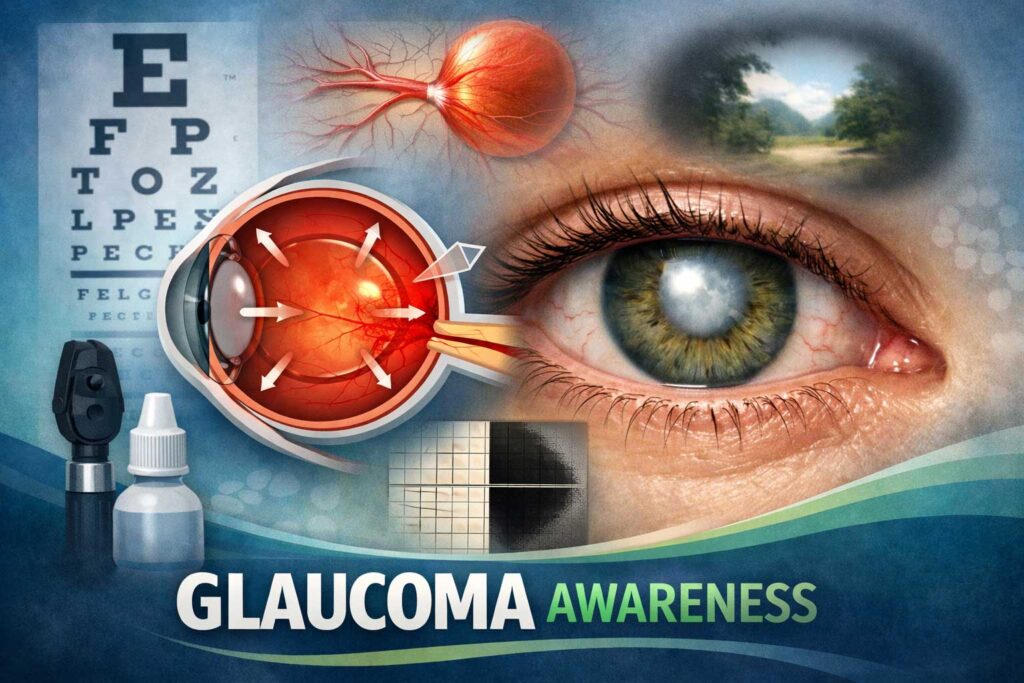
Glaucoma, often called the “silent thief of sight,” is a common yet serious eye condition that affects millions worldwide. It gradually damages the optic nerve, which connects the eye to the brain, and can lead to irreversible vision loss if left untreated. Despite its prevalence, many misconceptions surround glaucoma, making it important to separate fact from fiction.
In this article, we’ll explore what glaucoma is, its causes, symptoms, traditional and alternative treatments, and lifestyle strategies to reduce your risk. We’ll also debunk common myths and clarify what really works for eye health. So take a moment, relax your eyes (no closing required!), and let’s uncover the truth about glaucoma together.
Understanding Glaucoma: Causes and Mechanisms
Glaucoma occurs when the optic nerve is damaged, often due to increased intraocular pressure (IOP) inside the eye. However, high IOP is not the only cause—some individuals develop glaucoma even with normal eye pressure.
Several risk factors increase the likelihood of developing glaucoma:
-
Age: Older adults are at higher risk.
-
Family history: A parent or sibling with glaucoma raises your risk.
-
Medical conditions: Diabetes, hypertension, and other systemic diseases can contribute.
-
Ethnicity: Certain populations are more predisposed.
There are two main types of glaucoma:
-
Open-angle glaucoma: Fluid drainage in the eye becomes less efficient over time, causing gradual optic nerve damage. Vision loss typically begins in the peripheral field.
-
Angle-closure glaucoma: The iris suddenly blocks fluid drainage, causing rapid pressure increases. Symptoms include severe eye pain, headache, blurred vision, and nausea.
Early detection through comprehensive eye exams is essential to manage glaucoma effectively and prevent permanent vision loss.
Types of Glaucoma
Glaucoma is not a single condition—it has several types, each requiring unique management:
-
Open-angle glaucoma: The most common type; develops slowly and often without early symptoms.
-
Angle-closure glaucoma: Sudden blockage of fluid drainage requiring immediate treatment.
-
Normal-tension glaucoma: Optic nerve damage occurs even with normal eye pressure.
-
Congenital glaucoma: Present in infants or young children due to structural abnormalities.
-
Secondary glaucoma: Develops from other conditions, injuries, or medications like corticosteroids.
Regular eye exams are crucial for detecting glaucoma early, regardless of type.
Symptoms and Warning Signs
Glaucoma is often symptomless in its early stages, earning its nickname “silent thief of sight.” Still, watch for these potential indicators:
-
Gradual peripheral vision loss
-
Blurred vision
-
Eye pain or headaches
-
Halos around lights
-
Increased sensitivity to light
If any of these symptoms appear, consult an ophthalmologist immediately. Early intervention can preserve vision and prevent irreversible damage.
Traditional Treatment Options
Traditional glaucoma treatments focus on lowering intraocular pressure and protecting the optic nerve:
-
Eye drops: Reduce eye pressure by improving fluid drainage or decreasing fluid production.
-
Oral medications: Help control fluid levels when eye drops alone are insufficient.
-
Laser therapy: Uses focused light to enhance fluid drainage from the eye.
-
Surgery: In advanced cases, procedures like trabeculectomy or tube shunts provide long-term pressure control.
These treatments require regular monitoring and adherence to prevent vision loss.
Alternative Therapies
Some people explore complementary approaches alongside traditional treatments:
-
Acupuncture: May improve eye health and reduce intraocular pressure in some cases.
-
Cannabidiol (CBD) products: Could offer symptom relief, though research is limited.
-
Nutritional supplements: Vitamins C, E, and omega-3s may support optic nerve health due to antioxidant properties.
Alternative therapies should never replace conventional glaucoma care but can complement your treatment under a doctor’s guidance.
Debunking Common Glaucoma Myths
-
Myth: Only older adults get glaucoma.
Fact: Glaucoma can affect any age group, including children. -
Myth: Glaucoma always has obvious symptoms.
Fact: Early stages are often symptomless; regular exams are essential. -
Myth: Perfect eyesight means no glaucoma risk.
Fact: Glaucoma can occur regardless of visual acuity. -
Myth: Screens or dim light cause glaucoma.
Fact: They may strain your eyes but do not cause glaucoma.
Understanding the facts helps you make informed decisions about eye health.
Prevention and Lifestyle Changes
While glaucoma cannot always be prevented, these habits may reduce risk and support eye health:
-
Healthy diet: Include antioxidant-rich fruits, vegetables, and omega-3 fatty acids.
-
Regular exercise: Improves blood flow to the optic nerve and helps regulate eye pressure.
-
Eye protection: Wear UV-blocking sunglasses outdoors.
-
Avoid eye strain: Take breaks from screens and avoid rubbing your eyes.
-
Routine check-ups: Early detection through regular eye exams is key.
Conclusion
Glaucoma is a serious condition that can silently steal vision if not detected early. Traditional treatments like medications, laser therapy, and surgery remain the cornerstone of management, while lifestyle changes and preventive care can complement these efforts.
Alternative therapies may provide supportive benefits but should not replace professional care. Awareness, education, and proactive eye exams are your best defense against this sight-threatening disease.
By separating fact from fiction and staying informed, you can take control of your eye health and protect your vision for years to come. Remember: seeing really is believing!