Protect Your Vision with Early Eye Care Habits from Doctors
Our eyes are our windows to the world, allowing us to experience life’s vibrant colors, read cherished stories, and connect with loved ones. Yet, we often take this precious sense for granted, neglecting proactive care until problems arise. According to medical experts, this reactive approach is a significant misstep. The key to preserving sight for a lifetime is not just treatment, but early and consistent preventive care.
Shifting our mindset from simply correcting vision to actively protecting it can prevent a host of debilitating eye conditions. Doctors are now urging the public to integrate eye health into their overall wellness routine long before any symptoms appear. This proactive strategy is your strongest defense against vision loss.
Why Early Action is Your Best Defense
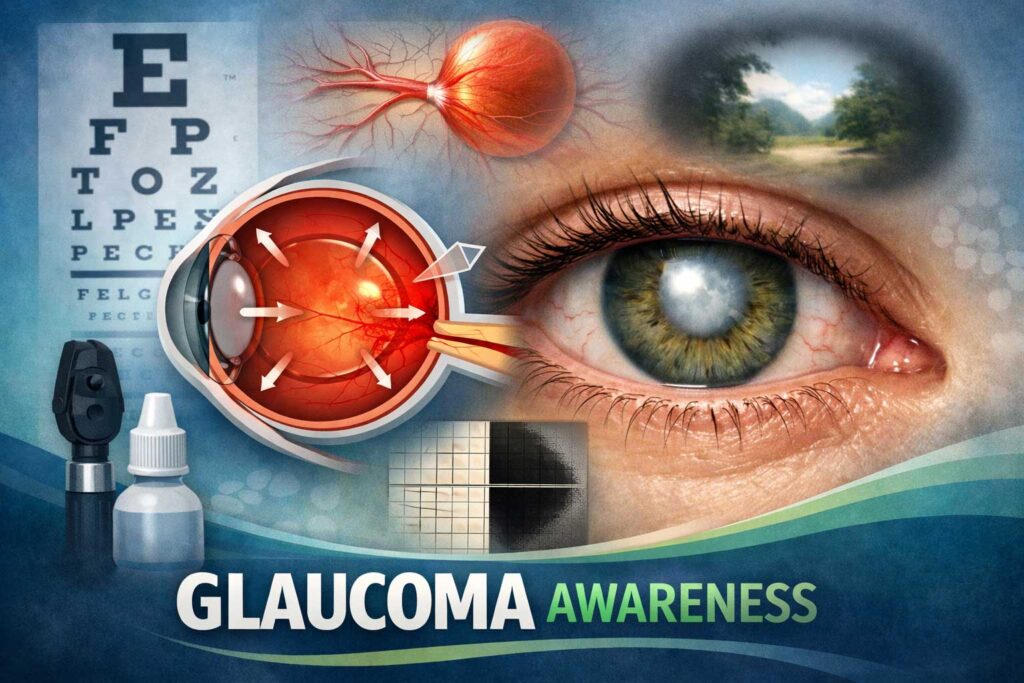
Many serious eye diseases are what doctors call “silent thieves” of sight. Conditions like glaucoma, diabetic retinopathy, and age-related macular degeneration (AMD) can develop and progress with little to no warning signs in their initial stages. By the time you notice blurred vision, blind spots, or other visual disturbances, irreversible damage may have already occurred.
Early detection through comprehensive dilated eye exams is critical. During these exams, an eye care professional can examine the internal structures of your eye, including the retina and optic nerve, for early signs of disease. Catching a problem early often means having more effective and less invasive treatment options available, ultimately saving your sight.
The Lifelong Benefits of Proactive Eye Care
Adopting good eye care habits early in life sets a foundation for healthy vision as you age. Think of it as building a “vision savings account.” The good habits you deposit today will pay dividends for decades to come. The benefits extend beyond just avoiding disease:
Essential Eye Care Habits Recommended by Doctors
Integrating these doctor-recommended habits into your daily life can significantly reduce your risk of eye problems.
1. Schedule Comprehensive Dilated Eye Exams
This is the cornerstone of preventive eye care. A routine vision screening for glasses or contacts is not the same as a comprehensive exam. The Philippine Academy of Ophthalmology (PAO) recommends the following schedule:
2. Protect Your Eyes from Harmful UV Rays
Prolonged exposure to the sun’s ultraviolet (UV) rays can increase your risk of cataracts, macular degeneration, and growths on the eye. Make it a habit to wear sunglasses that block 99 to 100 percent of both UVA and UVB radiation whenever you are outdoors, even on cloudy days. A wide-brimmed hat offers additional protection.
3. Manage Your Screen Time with the 20-20-20 Rule
In our digital age, digital eye strain is a common complaint. Symptoms include dry eyes, headaches, blurred vision, and neck and shoulder pain. To combat this, follow the 20-20-20 rule: every 20 minutes, look at something 20 feet away for at least 20 seconds. This simple practice helps reduce fatigue by allowing your focusing muscles to relax.
4. Embrace a Vision-Healthy Diet
You truly are what you eat when it comes to your eyes. Nutrients like lutein, zeaxanthin, vitamin C, vitamin E, and omega-3 fatty acids are powerful allies in maintaining eye health. Incorporate these foods into your meals:
5. Control Chronic Health Conditions
Systemic conditions like diabetes and hypertension can have severe consequences for your eyes. Diabetic retinopathy, for instance, is a leading cause of blindness in adults. diligently managing your blood sugar, blood pressure, and cholesterol levels through medication, diet, and exercise is one of the most powerful things you can do to protect your vision.
6. Practice Good Eye Hygiene and Safety
It’s Never Too Early to Start
The message from the medical community is clear and urgent: do not wait for a problem to prioritize your eye health. Vision loss from common eye diseases is often permanent, but it is also largely preventable. By adopting these early eye care habits—scheduling regular comprehensive exams, protecting your eyes from the environment, eating well, and managing overall health—you are making a conscious investment in your future.
Your sight is a gift. Taking these proactive steps today ensures that you can continue to see and appreciate the beauty of the world clearly for many years to come. Schedule that eye exam you’ve been putting off—it could be the most important appointment you make for your long-term well-being.