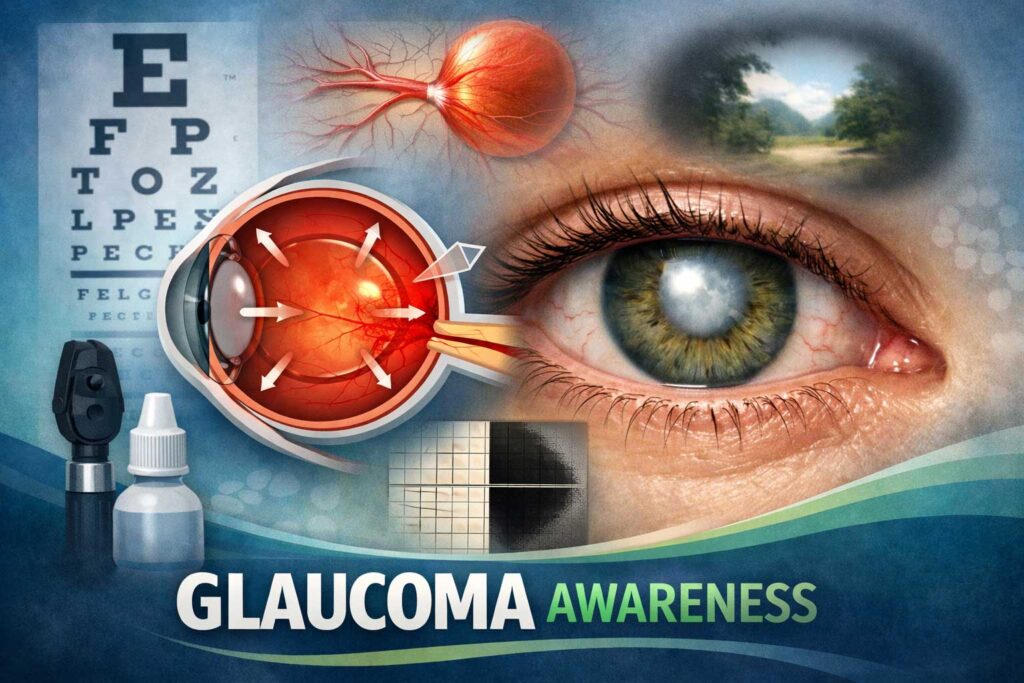
Evolution of Glaucoma Treatment: Advancements for Patients and Physicians
Glaucoma, often called the “silent thief of sight,” is a leading cause of irreversible blindness worldwide. Over the years, glaucoma treatment has evolved dramatically, offering patients and physicians more effective and less invasive options. From ancient remedies to cutting-edge surgical techniques, the journey of glaucoma management has been transformative.
This article explores key advancements in glaucoma treatment, their benefits for patients, and how physicians can leverage them for better outcomes.
Understanding Glaucoma: A Quick Overview
Glaucoma is a group of eye conditions that damage the optic nerve, usually due to elevated intraocular pressure (IOP). If left untreated, it leads to progressive vision loss. The main types are:
-
Open-angle glaucoma – Most common, develops slowly over time.
-
Angle-closure glaucoma – Rapid onset, considered a medical emergency.
Early detection and treatment are essential to preserving vision.
Historical Perspective: From Ancient Remedies to Modern Medicine
Glaucoma management has come a long way from its rudimentary beginnings.
Early Treatments
-
Ancient Egyptians used herbal remedies to relieve eye pressure.
-
In the 19th century, iridectomy (removal of part of the iris) was introduced.
20th Century Breakthroughs
-
Topical eye drops (e.g., pilocarpine, beta-blockers) revolutionized IOP control.
-
Trabeculectomy became the surgical gold standard for fluid drainage.
Modern Advancements in Glaucoma Treatment
Today, glaucoma care is more precise, personalized, and minimally invasive. Key advancements include:
1. Minimally Invasive Glaucoma Surgery (MIGS)
MIGS procedures offer safer surgeries and faster recovery compared to traditional methods. Popular techniques include:
-
iStent – Tiny implant to improve fluid drainage.
-
XEN Gel Stent – Soft tube that reduces IOP with minimal tissue disruption.
-
Hydrus Microstent – Scaffold-like device in the eye’s drainage canal.
Benefits:
-
Lower complication risk
-
Shorter recovery
-
Can be combined with cataract surgery
2. Advanced Laser Therapies
Refined laser treatments offer precise IOP control:
-
Selective Laser Trabeculoplasty (SLT) – Stimulates drainage without tissue damage.
-
Micropulse Laser Therapy – Uses controlled energy bursts for safer treatment.
3. Sustained-Release Drug Delivery
New technologies reduce the need for daily eye drops:
-
Bimatoprost Implant (Durysta) – Biodegradable implant releasing medication over months.
-
Drug-Eluting Contact Lenses – Experimental lenses providing continuous medication.
4. Artificial Intelligence (AI) in Glaucoma Care
AI is transforming diagnosis and monitoring:
-
Automated visual field analysis detects progression earlier.
-
AI-enhanced OCT imaging improves optic nerve assessment accuracy.
Patient Benefits of Modern Glaucoma Treatments
These advancements significantly improve quality of life:
-
Reduced dependency on daily eye drops
-
Less invasive procedures with lower surgical risk
-
Personalized treatment plans via AI and genetic insights
-
Better long-term vision outcomes through early intervention
What Physicians Should Know
Eye care professionals need to stay updated on these innovations:
Key Takeaways for Ophthalmologists
-
Adopt MIGS – Becoming standard for mild-to-moderate glaucoma.
-
Integrate AI Diagnostics – Enables early detection and precision care.
-
Educate Patients – Share new options beyond traditional eye drops.
Future Directions
Ongoing research is focused on:
-
Gene Therapy – Targeting genetic causes of glaucoma.
-
Neuroprotection – Protecting the optic nerve from damage.
Conclusion: A Brighter Future for Glaucoma Care
From early surgical methods to AI-driven diagnostics and minimally invasive implants, glaucoma treatment has transformed dramatically. Patients now have more options than ever to preserve their vision, while physicians can provide safer, more effective care.
As research continues, the future holds even greater promise for combating this silent thief of sight. Stay informed, proactive, and embrace the advancements in glaucoma management.