Abia Community Receives Free Eye Care and Glasses for 216 Beneficiaries
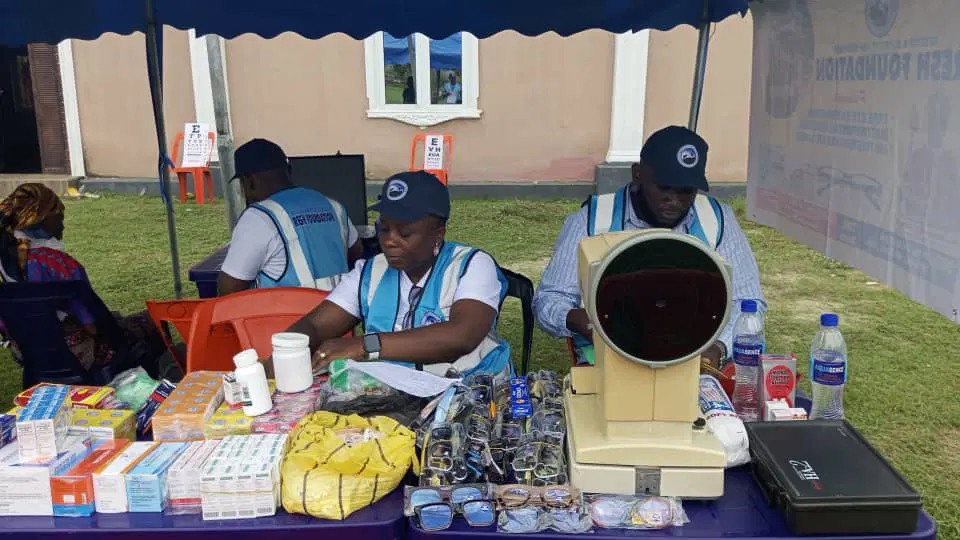
In a heartwarming display of community-focused healthcare, a recent medical outreach in Abia State has brought the gift of clear vision to hundreds of residents. The initiative, which provided comprehensive eye screenings and free prescription glasses, directly impacted 216 beneficiaries, offering them not just improved eyesight but a renewed chance at productivity and quality of life. This intervention highlights a critical need for accessible eye care in underserved communities and stands as a beacon of hope for many who have long struggled with vision impairment.
A Vision of Hope: The Impact of Clear Sight
For many in rural and semi-urban communities, access to specialized medical care like optometry remains a significant challenge. The cost of an eye test, let alone a pair of quality prescription glasses, can be prohibitive. This outreach program directly addressed this gap. The 216 beneficiaries, comprising the elderly, students, artisans, and farmers, received more than just a pair of glasses; they received a tool for empowerment.
Imagine a tailor who can now thread a needle with ease, a student who can clearly see the chalkboard, or an elderly person who can read their Bible again. The impact transcends simple vision correction—it restores independence, boosts educational and economic potential, and reconnects individuals with the world around them. The joy and relief reported by recipients underscore a fundamental truth: clear vision is a cornerstone of dignity and active participation in society.
Beyond Glasses: The Comprehensive Eye Care Approach
A successful eye care mission is about more than just distributing spectacles. This initiative was built on a foundation of thorough professional screening to ensure the right solution for each individual.
The Step-by-Step Process
The outreach followed a meticulous process to ensure efficacy and safety:
- Initial Registration and Triage: Beneficiaries were registered and their basic visual complaints documented.
- Comprehensive Eye Examination: Trained optometrists conducted detailed tests, including visual acuity checks, refraction tests to determine lens power, and preliminary screenings for eye diseases like glaucoma and cataracts.
- Professional Consultation: Each person received a one-on-one consultation to discuss their results and visual needs.
- Precision Lens Fitting and Dispensing: Following the prescription, beneficiaries were carefully fitted with their new glasses, ensuring comfort and correct alignment.
- Referral for Advanced Care: Crucially, cases requiring surgical intervention (like advanced cataracts) or complex treatment were identified and referred to partner hospitals for further management, ensuring the outreach had a lasting, holistic impact.
This structured approach ensured that the intervention was not a mere handout but a responsible healthcare service that could identify and escalate serious conditions.
The Driving Forces Behind the Initiative
Community health interventions of this scale are rarely the work of a single entity. This free eye care program was likely a collaborative effort, potentially involving:
- Non-Governmental Organizations (NGOs) or Faith-Based Groups: Often the primary organizers, mobilizing resources, personnel, and community trust.
- Professional Medical Volunteers: Dedicated optometrists, ophthalmologists, and nurses who donated their time and expertise.
- Corporate Social Responsibility (CSR) Sponsors: Companies providing funding for medical equipment, prescription lenses, frames, and logistical support.
- Community Leaders and Local Government: Essential for mobilizing residents, providing a venue, and ensuring the outreach reached the most vulnerable populations.
This synergy is vital. It pools resources, expertise, and local knowledge to create a sustainable model for impact, demonstrating how public-private-community partnerships can effectively address healthcare disparities.
The Ripple Effect: Why Eye Care is Community Care
The benefits of such an outreach extend far beyond the 216 individuals who received glasses. There is a profound ripple effect throughout the community.
Improved vision leads to fewer accidents, greater productivity in trades and farming, and better academic performance in children. It reduces the economic burden on families who would otherwise have to seek expensive private care. Furthermore, by screening for diseases, the program contributes to the broader public health landscape, preventing future blindness and complications.
For the elderly especially, vision loss is closely linked to social isolation, depression, and a loss of autonomy. Restoring their sight helps them maintain social connections and live more fulfilling, engaged lives. Therefore, investing in eye care is an investment in the community’s overall social and economic well-being.
A Call for Sustained Action and Replication
While celebrating this successful outreach, it also serves as a poignant reminder of the persistent need. Hundreds more in Abia and across Nigeria still live with correctable vision impairment. This initiative should be a catalyst, not a one-off event.
The Path Forward
To build on this success, several steps are crucial:
- Regular Outreach Programs: Establishing quarterly or bi-annual eye care camps in different local government areas to create a continuum of care.
- Community Health Worker Training: Equipping local health workers with basic vision screening skills to identify problems early within the community.
- Advocacy for Policy Integration: Encouraging the integration of basic eye care services into primary healthcare centers across the state.
- Public Awareness Campaigns: Educating communities on eye health, nutrition for good vision, and the importance of regular check-ups to dispel myths and encourage early treatment-seeking behavior.
The story of the 216 beneficiaries in Abia is one of compassion, collaboration, and transformative change. It proves that with concerted effort, the barrier of poor vision can be lifted, allowing individuals to see their world—and their future—with newfound clarity. Let this act of service inspire more actions, turning this single ray of hope into a sustained light for clear vision across all communities. The right to see clearly is a fundamental component of the right to health, and every step taken in this direction is a step toward a more equitable and productive society.