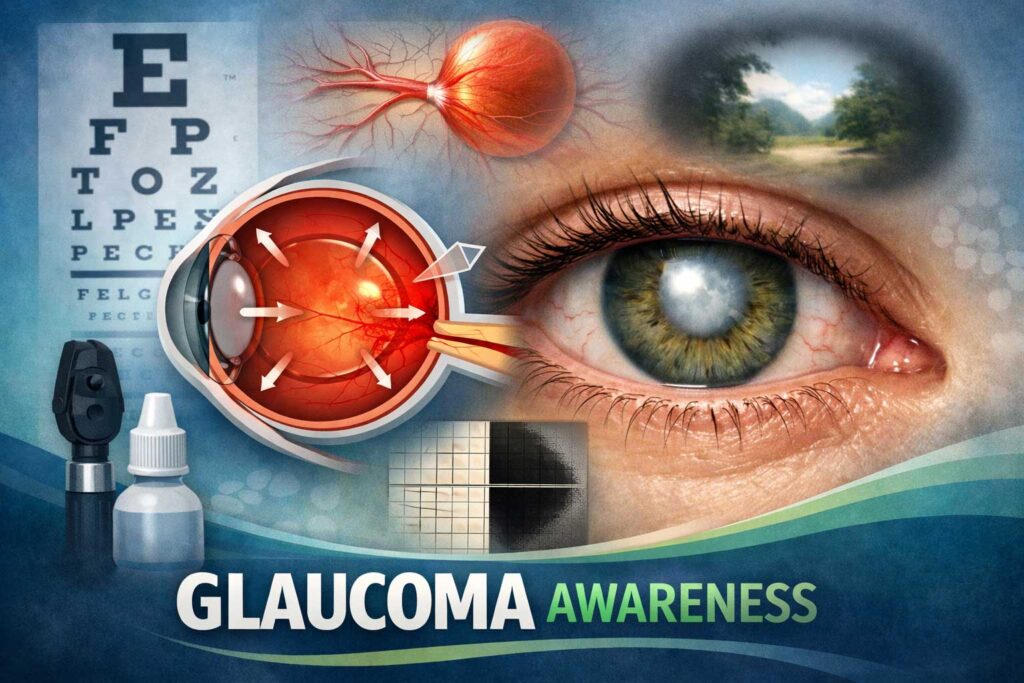
Glaucoma Cases in Indonesia: Awareness and Treatment
Indonesia is facing a steady rise in glaucoma cases, fueled by population growth, aging demographics, and limited early screening. This article focuses on glaucoma awareness in Indonesia, current treatment patterns, and how access gaps continue to shape patient outcomes nationwide.
Rising Number of Glaucoma Cases in Indonesia
Data indicates that glaucoma in Indonesia is more common than officially reported.
Many patients are diagnosed at later stages
Urban areas show higher detection due to better facilities
Rural regions remain significantly underserved
Late diagnosis remains one of the biggest contributors to vision loss.
Public Awareness and Screening Challenges
Low glaucoma awareness continues to impact early intervention.
Routine eye exams are not widely practiced
Symptoms are often ignored until vision is affected
Public education on eye health remains limited
Improving awareness could dramatically reduce preventable blindness.
Access to Glaucoma Treatment and Care
Treatment availability varies widely across the country.
Major cities offer medications, laser therapy, and surgery
Provincial areas rely heavily on basic treatment options
Specialist shortages affect long-term glaucoma management
Consistent follow-up care remains difficult for many patients.
Cost Sensitivity and Global Care Comparisons
Treatment decisions are often influenced by affordability.
Learn about U.K. glaucoma care expenses in 2025.
Comparing international care models helps patients understand cost structures and treatment standards beyond Indonesia.
Surgical Trends and Treatment Patterns
Advanced cases often require surgical intervention.
Glaucoma surgery is usually recommended at later stages
Laser procedures are slowly becoming more common
Public hospitals face long waiting times
Earlier treatment could reduce the need for complex surgery.
Long-Term Outlook for Glaucoma in Indonesia
The outlook suggests continued growth in glaucoma prevalence.
Aging population increases risk factors
Greater demand for trained ophthalmologists
Strong need for nationwide screening programs
Without improved awareness and access, vision loss cases may rise.
Key Takeaways for Awareness and Treatment
The current state of glaucoma cases in Indonesia highlights a clear priority: education, early screening, and accessible treatment. Strengthening these areas is essential to protect vision and reduce long-term healthcare burden.