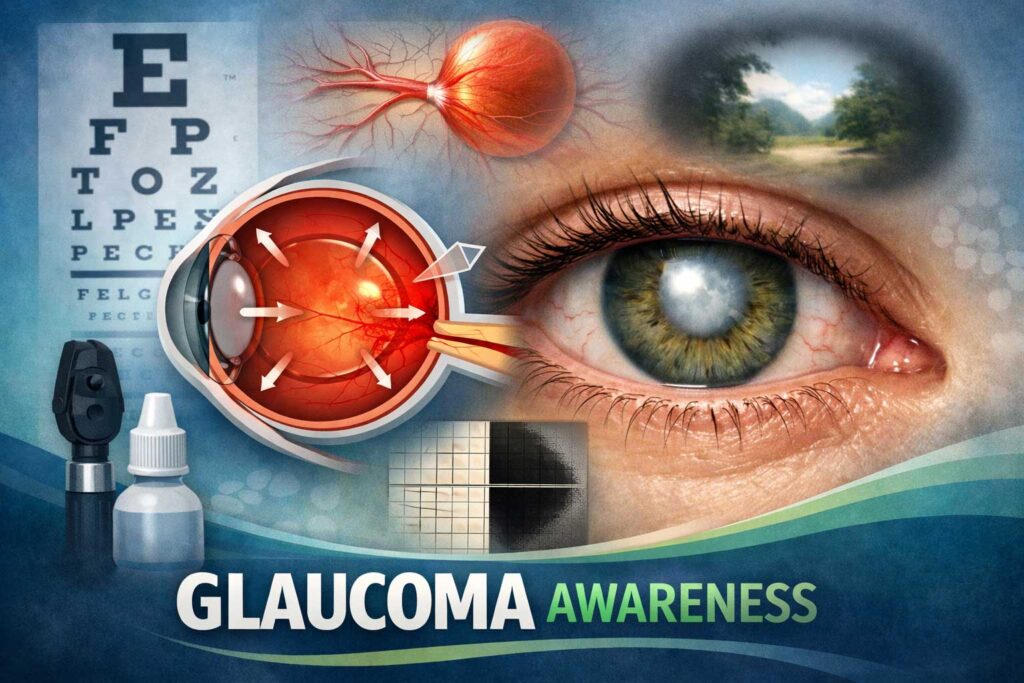
Welcome to our blog, where we shine a spotlight on the key role of glaucoma counselors! If you or a loved one are living with glaucoma, you know how important it is to have support and guidance throughout your journey. That’s where glaucoma counselors come in. In this article, we’ll explore the vital role they play in helping individuals cope with glaucoma, provide valuable insights into their responsibilities, and share inspiring success stories from both patients and counselors. Let’s discover how these unsung heroes make a world of difference for those affected by this sight-threatening disease.
The Importance of Glaucoma Counselors
Glaucoma counselors play a critical role in supporting patients through their diagnosis and treatment journey. They provide emotional support, education, and guidance tailored to each individual’s needs.
A key aspect of their work is ensuring patients have access to accurate, understandable information about glaucoma. By breaking down complex medical details into clear explanations, counselors empower patients to make informed decisions about their care.
Additionally, they provide emotional support for those feeling anxious or overwhelmed by their diagnosis, offering reassurance and empathy. Counselors also act as liaisons between patients and healthcare providers, coordinating appointments and facilitating communication across specialists to ensure continuity of care.
With their guidance, patients can navigate the challenges of glaucoma confidently while maintaining optimal eye health.
The Role of a Glaucoma Counselor
Glaucoma counselors specialize in providing both emotional and practical support. Their responsibilities include:
-
Education: Explaining glaucoma management, treatment options, and progression in simple terms.
-
Emotional Support: Creating a safe space to express fears, anxiety, or frustration.
-
Coping Strategies: Helping patients adapt to vision changes through assistive devices or home/workplace modifications.
-
Collaborative Care: Working with ophthalmologists, optometrists, and other healthcare professionals to provide coordinated, comprehensive care.
By combining expertise, empathy, and practical guidance, glaucoma counselors enhance the overall quality of life for those living with this chronic eye condition.
The Benefits of Having a Glaucoma Counselor
Having a glaucoma counselor provides several benefits:
-
Emotional Support: Patients can discuss their fears and concerns in a safe, supportive environment.
-
Education: Counselors help patients understand the condition, empowering informed decisions about treatment.
-
Personalized Care: Support is tailored to each patient’s unique needs, ensuring a more effective care plan.
-
Medication Compliance: Counselors provide strategies and reminders to maintain consistent treatment adherence.
-
Resource Connections: Counselors link patients with community programs, support groups, and assistive technologies.
These benefits collectively improve patient outcomes, helping individuals manage glaucoma effectively while preserving their mental and emotional well-being.
How to Become a Glaucoma Counselor
If you’re interested in this rewarding career, here’s a roadmap:
-
Education: Earn a bachelor’s degree in psychology, counseling, or a related field.
-
Specialization: Pursue training or certifications focused on glaucoma counseling or ocular health.
-
Clinical Experience: Volunteer or work at eye clinics to gain hands-on experience with glaucoma patients.
-
Professional Development: Attend workshops, seminars, and conferences to stay updated on glaucoma care advancements.
-
Licensure/Certification: Obtain the necessary counseling license and any specialized glaucoma certifications.
-
Networking: Collaborate with ophthalmologists and healthcare professionals to expand knowledge and referral opportunities.
Dedication, ongoing learning, and empathy are key to becoming a successful glaucoma counselor.
Success Stories: Real-Life Experiences
Real-life stories highlight the impact glaucoma counselors can have:
-
Sarah, diagnosed at 25, initially felt overwhelmed. A glaucoma counselor guided her through treatment options and lifestyle adjustments. Today, she manages her condition successfully while maintaining an active lifestyle.
-
John, a retired accountant, lost vision from advanced glaucoma. With his counselor’s help, he adopted adaptive strategies and assistive technologies to regain independence in daily life.
These stories show that counselors not only provide education and guidance but also instill hope and resilience, helping patients navigate the emotional and practical challenges of living with glaucoma.
Life-Changing Impact
Glaucoma counselors make a profound difference by combining emotional support, practical advice, and professional guidance. They empower patients to manage treatment, improve adherence, and maintain quality of life.
Their work extends beyond physical care, encompassing mental well-being and creating a safe space for patients to voice concerns. By bridging the gap between patients and healthcare providers, counselors ensure holistic support throughout the glaucoma journey.
Glaucoma counselors are an indispensable part of comprehensive eye care. Whether providing emotional reassurance, practical guidance, or coordination with healthcare professionals, their role enhances patient outcomes and quality of life. If you or a loved one is navigating glaucoma, reaching out to a trained counselor can be transformative—helping you face the challenges of this condition with confidence and support.
Remember: you don’t have to face glaucoma alone—expert support is available every step of the way.