Early Signs and Treatment Options for Glaucoma You Should Know
Glaucoma is a serious eye condition that can lead to irreversible vision loss if not detected and treated early. Often referred to as the “silent thief of sight,” glaucoma progresses slowly and may not present noticeable symptoms until significant damage has occurred. Understanding the early signs and available treatment options can help preserve your vision and maintain eye health.
What Is Glaucoma?
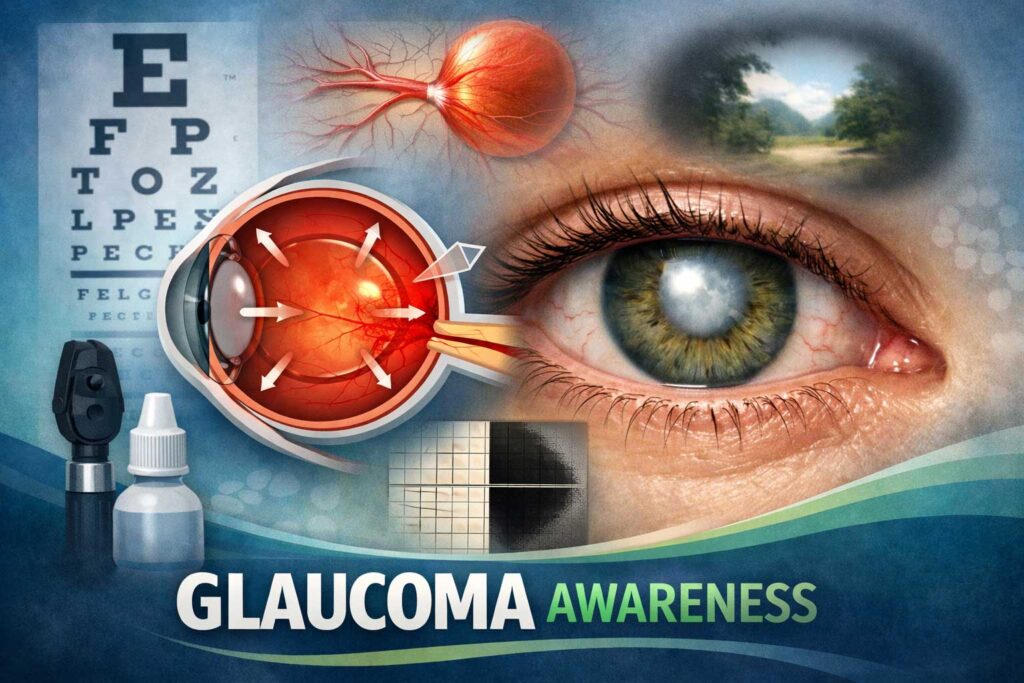
Glaucoma is a group of eye diseases that damage the optic nerve, usually due to increased intraocular pressure (IOP). This pressure builds up when the fluid inside the eye, called aqueous humor, doesn’t drain properly. Over time, the damage to the optic nerve can lead to permanent vision loss, starting with peripheral vision and eventually affecting central vision.
There are several types of glaucoma, but the two most common are:
- Open-angle glaucoma: The most common form, where the drainage angle remains open but doesn’t function properly.
- Angle-closure glaucoma: A less common but more urgent form where the drainage angle becomes blocked, leading to a sudden rise in eye pressure.
Early Signs of Glaucoma
Since glaucoma often develops without obvious symptoms, regular eye exams are crucial. However, some early warning signs may indicate the onset of the disease:
1. Gradual Loss of Peripheral Vision
One of the first signs of glaucoma is the slow loss of side (peripheral) vision. Many people don’t notice this until significant damage has occurred.
2. Blurred or Hazy Vision
Occasional blurred vision, especially in low light, may be an early indicator of glaucoma.
3. Halos Around Lights
Seeing rainbow-colored circles or halos around bright lights, particularly at night, can be a symptom of increased eye pressure.
4. Eye Pain or Redness
Sudden eye pain, redness, or discomfort—especially in angle-closure glaucoma—requires immediate medical attention.
5. Nausea and Vomiting
In acute cases, increased eye pressure can cause nausea and vomiting, often mistaken for other illnesses.
6. Frequent Headaches
Persistent headaches, particularly around the temples or behind the eyes, may be linked to glaucoma.
Who Is at Risk?
Certain factors increase the likelihood of developing glaucoma:
- Age: People over 60 are at higher risk.
- Family history: A genetic predisposition increases risk.
- Medical conditions: Diabetes, high blood pressure, and heart disease can contribute.
- Ethnicity: African Americans, Hispanics, and Asians have a higher risk.
- Eye injuries or surgeries: Past trauma or procedures can elevate risk.
Diagnosing Glaucoma
Early detection is key to preventing vision loss. An eye doctor may perform several tests, including:
- Tonometry: Measures intraocular pressure.
- Ophthalmoscopy: Examines the optic nerve for damage.
- Perimetry: Tests peripheral vision.
- Gonioscopy: Checks the drainage angle of the eye.
Treatment Options for Glaucoma
While there is no cure for glaucoma, treatments can slow its progression and preserve vision. The right approach depends on the type and severity of the condition.
1. Medications
Eye drops or oral medications can help reduce eye pressure by either decreasing fluid production or improving drainage.
- Prostaglandin analogs: Increase fluid outflow.
- Beta-blockers: Reduce fluid production.
- Alpha agonists: Both decrease production and increase drainage.
2. Laser Therapy
Laser treatments can improve fluid drainage or create tiny openings in the iris (for angle-closure glaucoma).
- Selective Laser Trabeculoplasty (SLT): Helps open drainage channels.
- Laser Peripheral Iridotomy (LPI): Creates a small hole in the iris to relieve pressure.
3. Surgical Options
If medications and laser treatments aren’t effective, surgery may be necessary.
- Trabeculectomy: Creates a new drainage pathway.
- Glaucoma Drainage Implants: Small tubes help drain fluid.
- Minimally Invasive Glaucoma Surgery (MIGS): Less invasive procedures with quicker recovery.
Prevention and Lifestyle Tips
While glaucoma can’t always be prevented, these steps can help reduce risk:
- Regular eye exams: Especially if you’re at higher risk.
- Exercise safely: Moderate activity may help lower eye pressure.
- Protect your eyes: Wear safety goggles to prevent injuries.
- Manage health conditions: Control diabetes and blood pressure.
- Avoid excessive caffeine: High intake may increase eye pressure.
Conclusion
Glaucoma is a serious but manageable condition if detected early. Knowing the signs, understanding your risk factors, and seeking prompt treatment can make a significant difference in preserving your vision. If you experience any symptoms or fall into a high-risk category, schedule an eye exam immediately. Your eyesight is invaluable—take proactive steps to protect it.