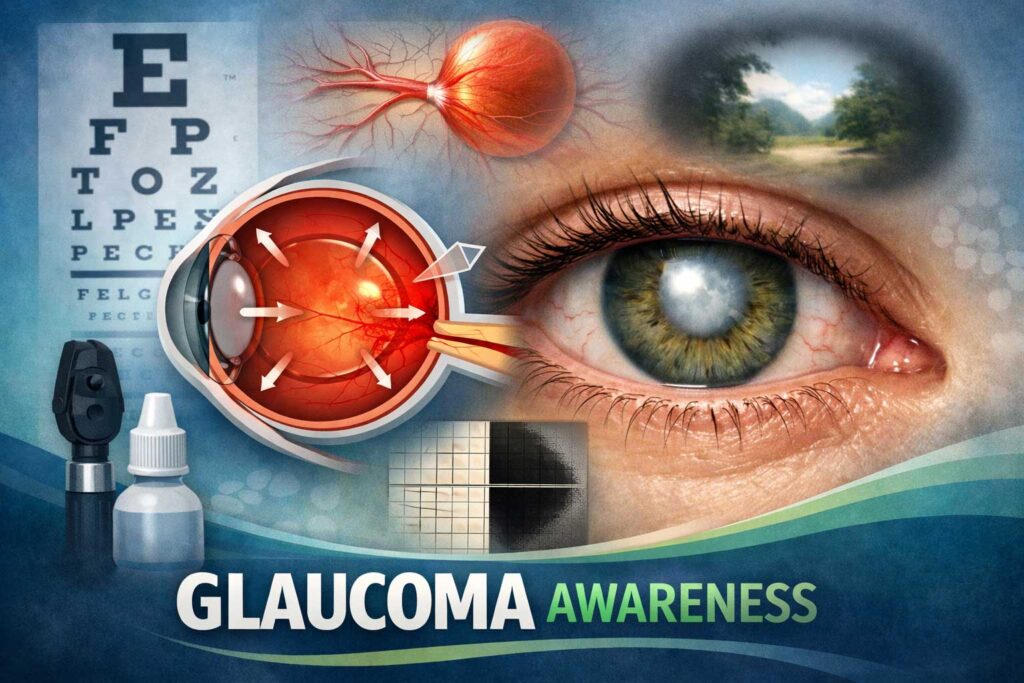
Glaucoma Eye Drops Market Growth, Analysis, and Forecast to 2025
Introduction
Glaucoma, a leading cause of irreversible blindness worldwide, affects millions of people. As prevalence rises, demand for effective treatments—especially glaucoma eye drops—is surging. The market is expected to grow significantly by 2025, fueled by pharmaceutical innovations, aging populations, and increased awareness about early diagnosis.
This article examines market trends, analysis, top players, and forecasts shaping the glaucoma eye drops industry through 2025.
Market Overview: Growth Drivers & Trends
1. Rising Prevalence of Glaucoma
By 2025, an estimated 80 million people will be affected. Key drivers include:
-
Aging populations
-
Increased diabetes cases (a glaucoma risk factor)
-
Greater awareness and early detection
2. Advancements in Drug Formulations
Pharma companies are developing innovative formulations to improve efficacy and reduce side effects:
-
Prostaglandin analogs – once-daily dosing, highly prescribed
-
Combination therapies – reduce multiple drops usage
-
Preservative-free options – less irritation for chronic users
3. Increasing Healthcare Expenditure
Government and private investment in ophthalmic care is boosting market growth, especially in emerging economies with improving healthcare infrastructure.
4. Shift Towards Generics
Expiring patents for major branded drugs are driving generic adoption, making glaucoma treatment more affordable.
Key Market Segments
By Drug Class
-
Prostaglandin Analogs – e.g., Latanoprost, Bimatoprost
-
Beta Blockers – e.g., Timolol
-
Alpha Agonists & Carbonic Anhydrase Inhibitors – often used in combination
-
Combination Drugs – e.g., Dorzolamide/Timolol, for convenience
By Distribution Channel
-
Hospital Pharmacies – primary distribution channel
-
Retail Pharmacies – growing OTC availability
-
Online Pharmacies – expanding with e-commerce growth
Top Players in the Glaucoma Eye Drops Market (2025)
The market is competitive, with key players focusing on R&D, partnerships, and innovation:
1. Novartis AG
-
Market leader with brands like Xalatan and Travatan Z
-
Investing in preservative-free formulations
2. Pfizer Inc.
-
Strong portfolio including Xalatan
-
Exploring novel drug delivery systems
3. Teva Pharmaceutical Industries
-
Leading in generics and cost-effective alternatives
-
Expanding in emerging markets
4. Allergan (AbbVie)
-
Known for Lumigan (Bimatoprost)
-
Focused on sustained-release technologies
5. Santen Pharmaceutical
-
Ophthalmic solutions specialist
-
Expanding in Asia-Pacific markets
Regional Market Analysis
-
North America – Largest market, driven by high glaucoma prevalence and advanced healthcare; U.S. leads with strong insurance coverage.
-
Europe – Growth in combination therapy adoption; Germany and the UK are key contributors.
-
Asia-Pacific – Fastest-growing region; Japan and China lead demand growth.
-
Latin America & Middle East – Rising generic adoption and government initiatives improve access.
Future Forecast (2020–2025)
The glaucoma eye drops market is projected to grow at a CAGR of 4–6%, reaching $6–7 billion by 2025. Key growth factors include:
-
Technological innovations (sustained-release implants, smart droppers)
-
Telemedicine adoption for glaucoma management
-
Expansion in emerging markets with unmet medical needs
Conclusion
The glaucoma eye drops market is poised for steady growth through 2025, driven by rising prevalence, pharmaceutical innovation, and improved healthcare access. Novartis, Pfizer, and Teva remain dominant, while emerging markets present new opportunities.
For patients and healthcare providers, staying updated on the latest treatments and market trends is crucial for effective glaucoma management.