Normal vs. Dangerous Eye Pressure Levels
What’s Considered Normal Eye Pressure?
The average eye pressure in healthy adults falls between 12 and 22 mmHg (millimeters of mercury). However, the term “normal” can be misleading. Some people develop normal-tension glaucoma with pressures in this range, while others with ocular hypertension may have IOP above 22 mmHg but never experience optic nerve damage.
When Does Eye Pressure Become Dangerous?
Mild risk: 22–25 mmHg
Moderate risk: 26–29 mmHg
High risk: 30 mmHg or higher
Dangerous eye pressure is not just about the number—it depends on how your optic nerve responds. Consistently high IOP compresses blood vessels and nerve fibers, which may eventually lead to irreversible vision loss.
The Role of Eye Pressure in Glaucoma
How High IOP Damages the Optic Nerve
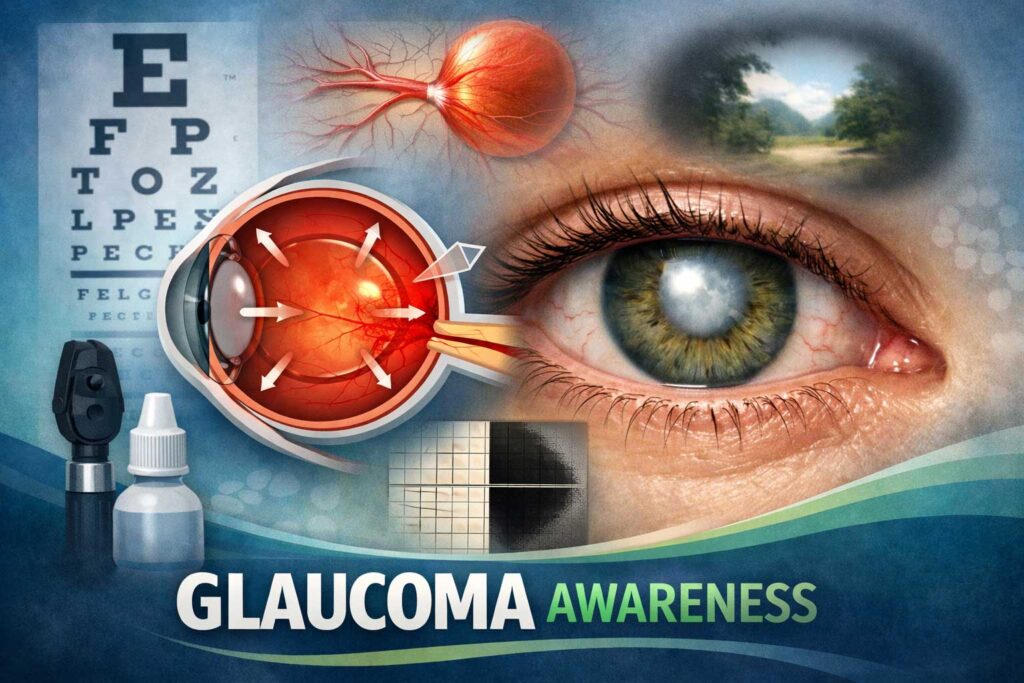
When pressure inside the eye rises, it squeezes the optic nerve, restricting blood flow and damaging nerve cells. This damage usually starts with blind spots in peripheral vision and, if left untreated, progresses toward central vision loss.
Other Risk Factors Beyond Eye Pressure
Although IOP is the strongest risk factor, glaucoma may also develop due to:
Age – Risk doubles with every decade after age 40
Family history – Genetics play a strong role
Thin corneas – Less protection against pressure
Systemic health conditions – Diabetes and hypertension increase vulnerability
Ethnicity – Higher prevalence among African, Asian, and Hispanic populations
👉 Find out where to get budget-friendly glaucoma surgery in the Philippines
Managing and Monitoring Eye Pressure
Treatment Options to Lower IOP
If your eye pressure is high, ophthalmologists may recommend:
Prescription eye drops – Prostaglandins or beta-blockers that reduce fluid production or improve drainage
Laser therapy – Procedures such as Selective Laser Trabeculoplasty (SLT) to enhance fluid outflow
Surgery – Options like trabeculectomy or minimally invasive glaucoma surgery (MIGS) for severe cases
Lifestyle Tips for Supporting Eye Health
While medical treatment is the foundation of glaucoma management, lifestyle changes can support healthy eyes:
Stay active with regular exercise, but avoid positions that increase IOP (like headstands or heavy lifting)
Eat nutrient-rich foods, especially leafy greens and omega-3 sources like fish and nuts
Limit caffeine intake, as it can cause short-term pressure spikes
Manage stress, which indirectly affects overall eye health
Wear protective eyewear during sports or activities with risk of eye injury
The Importance of Regular Eye Exams
Because glaucoma often progresses silently, comprehensive eye exams are the best defense. Doctors may recommend testing every 1–2 years, or more frequently if you are at higher risk. Exams typically include:
Visual field tests – To check for blind spots
Optic nerve imaging – To detect early nerve fiber damage
Pachymetry – To measure corneal thickness, a factor influencing IOP readings
Key Takeaway
Eye pressure is a vital marker in glaucoma care, but it’s only part of the story. What’s “normal” for one person may be dangerous for another, making regular eye exams and individualized monitoring essential. By understanding IOP and seeking timely care, you can take control of your eye health and safeguard your vision for the future.