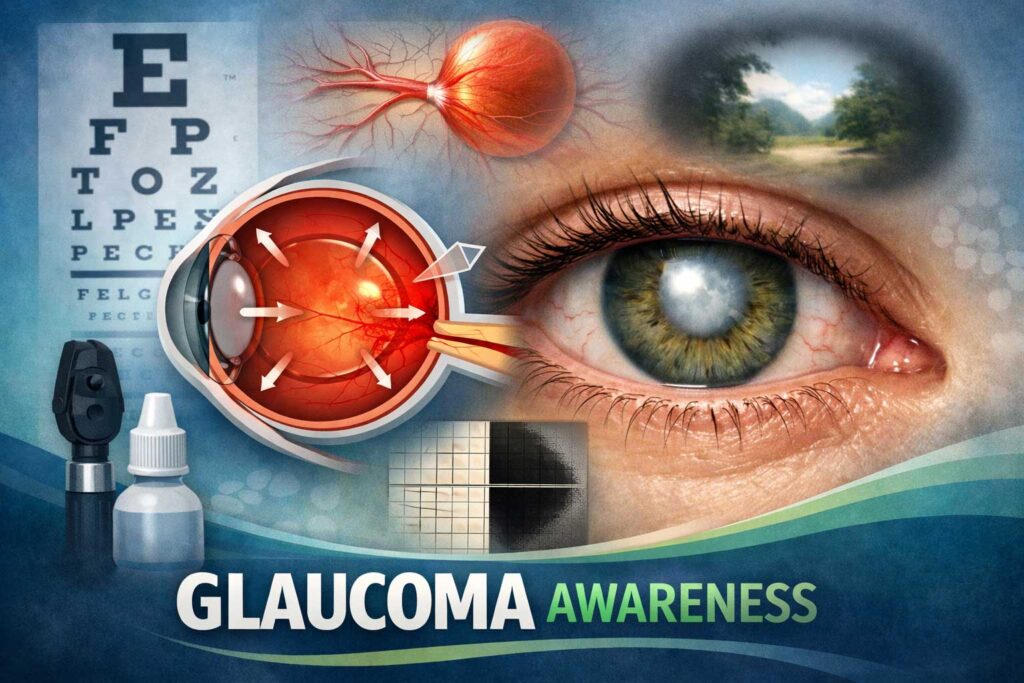
Introduction to Glaucoma in the Philippines
Glaucoma, often called the “silent thief of sight,” is a serious eye condition that gradually damages the optic nerve, potentially leading to irreversible vision loss if untreated. In the Philippines, glaucoma affects millions of people and presents a significant challenge for patients and healthcare providers alike.
Fortunately, the emergence of a new generation of ophthalmologists is bringing hope. These next-gen experts are revolutionizing glaucoma care through advanced technologies, innovative treatments, and personalized approaches. Their work promises to reshape eye care in the Philippines and improve the lives of countless patients. Let’s explore how these trailblazing ophthalmologists are advancing glaucoma management in the country.
Current State of Glaucoma Treatment in the Philippines
Glaucoma remains a growing public health concern in the Philippines, with an estimated 3 million Filipinos currently affected. Despite its prevalence, treatment accessibility and awareness remain limited.
Patients in remote areas often struggle to reach eye clinics or specialists trained in glaucoma management, resulting in delayed diagnoses and treatment. Limited public awareness about glaucoma’s risk factors and symptoms further contributes to late detection.
Cost is another major challenge. Medications, laser treatments, and surgeries can be expensive, making care unaffordable for many patients without health insurance.
However, there are positive developments. Ophthalmological societies are advocating for increased funding and preventive care initiatives. Collaboration among healthcare professionals—including optometrists and general practitioners—improves early identification and referral of glaucoma cases.
Technology also offers solutions: advanced imaging for detailed optic nerve assessment and telemedicine for remote consultations are helping bridge accessibility gaps. While challenges remain, these efforts indicate a promising path toward improving glaucoma care in the Philippines.
Next-Generation Ophthalmologists: Innovations and Advancements
The field of ophthalmology is evolving rapidly, and next-generation ophthalmologists are at the forefront of these changes.
Artificial Intelligence (AI) is transforming glaucoma diagnosis. AI algorithms can analyze retinal images to detect early signs of glaucoma with high accuracy, enabling timely treatment before significant vision loss occurs.
Minimally Invasive Surgical Techniques (MIGS) offer safer, faster alternatives to traditional surgeries, reducing recovery times and complications for patients.
Personalized Medicine is also gaining traction. By considering genetics, lifestyle, and individual patient characteristics, ophthalmologists can tailor treatments for better outcomes.
Collaboration with researchers and industry experts further fuels innovation, ensuring that new techniques and findings are integrated into clinical practice. Aspiring ophthalmologists are encouraged to pursue training in emerging technologies, from AI diagnostics to advanced surgical methods, to remain at the cutting edge of glaucoma care.
Training and Education for Future Ophthalmologists
Comprehensive education and training are critical for preparing the next generation of ophthalmologists.
Medical schools and residency programs provide foundational knowledge in general medicine and specialized glaucoma care. Mentorship from experienced practitioners helps young ophthalmologists navigate real-world challenges while encouraging innovation.
Continuing education programs, conferences, and symposiums expose trainees to the latest research, surgical techniques, and technologies. Virtual reality simulations, telemedicine platforms, and hands-on workshops enhance practical skills, preparing future ophthalmologists to deliver high-quality care, even in underserved regions.
The Role of Technology in Diagnosing and Treating Glaucoma
Technology has revolutionized both diagnosis and treatment of glaucoma.
-
Optical Coherence Tomography (OCT): Offers high-resolution imaging of the optic nerve and retina for early detection and monitoring.
-
Visual Field Testing: Measures peripheral and central vision, identifying areas of vision loss caused by glaucoma.
-
Laser Therapy: Procedures like laser trabeculoplasty improve fluid drainage to lower eye pressure.
-
Telemedicine: Allows remote consultations, expanding access to specialized care in rural or underserved areas.
Emerging tools like AI algorithms and robotic-assisted surgeries promise even more precise and effective glaucoma management in the near future.
Challenges and Opportunities for Next-Gen Ophthalmologists
Next-generation ophthalmologists face multiple challenges: staying up-to-date with rapid research, navigating limited healthcare resources, and ensuring accessibility across the Philippines.
Yet, opportunities abound. AI, telemedicine, and innovative surgical techniques provide new ways to detect and treat glaucoma. Multidisciplinary collaboration with optometrists, geneticists, and neurologists enhances patient care. Continuous training and mentorship equip young ophthalmologists with the skills to tackle these challenges and lead the future of glaucoma treatment.
Impact on Patients and the Healthcare System
Glaucoma significantly affects patients’ independence, quality of life, and mental health. For the healthcare system, the disease creates demand for specialized care amid a shortage of trained ophthalmologists.
Next-gen ophthalmologists, equipped with advanced knowledge and technology, can improve early detection, provide safer surgical options, and deliver personalized treatment. Effective glaucoma management reduces long-term burdens on hospitals and improves patient outcomes nationwide.
Shaping the Future of Glaucoma Care in the Philippines
The next generation of ophthalmologists is poised to revolutionize glaucoma treatment. With rigorous training, access to cutting-edge technologies, and a commitment to innovation, these professionals are improving patient care and healthcare efficiency.
Addressing public awareness, equitable access to specialized services, and ongoing research are crucial for sustained progress. Through technology, collaboration, and dedication, these ophthalmologists are bringing hope to glaucoma patients and shaping a brighter future for eye care in the Philippines.