Glaucoma in China: Rising Cases and Treatment Options
China’s Growing Glaucoma Burden
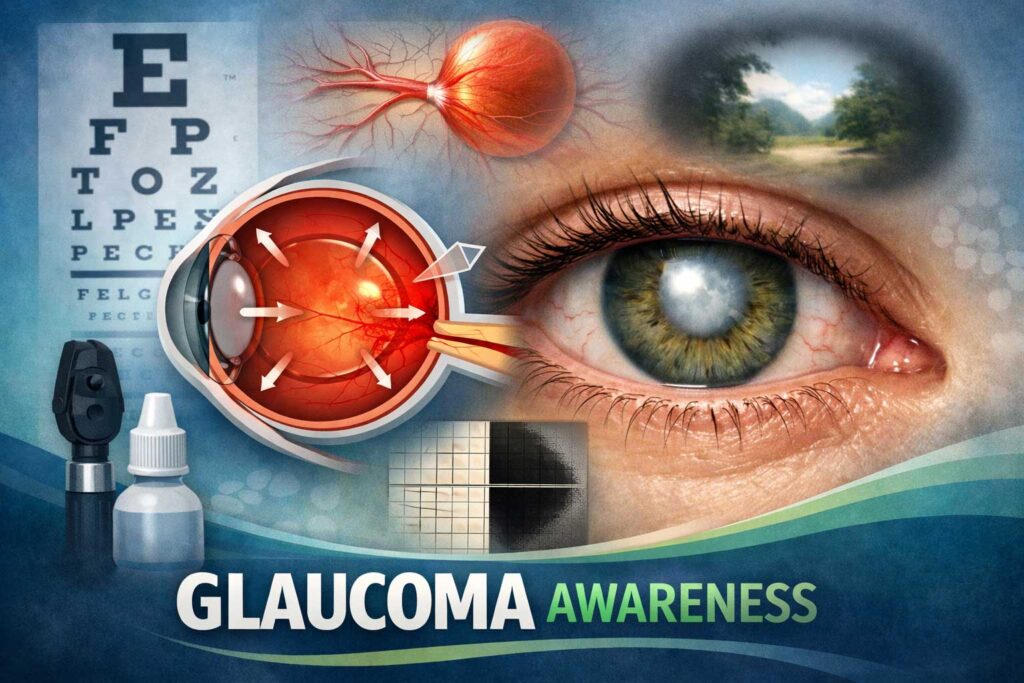
China is experiencing a sharp rise in glaucoma cases, driven by an aging population, urban lifestyles, and limited early screening in rural regions. As life expectancy increases, glaucoma prevalence in China continues to climb, placing pressure on both public hospitals and private eye clinics.
Healthcare data shows that primary open-angle glaucoma and angle-closure glaucoma are the most reported forms nationwide. Late diagnosis remains a major issue, leading to irreversible vision damage in many patients.
Key Risk Factors Fueling Glaucoma Growth
Several factors are accelerating the spread of glaucoma in China, including:
Aging demographics, especially adults over 50
High myopia rates, common in urban populations
Genetic predisposition among East Asian patients
Limited access to routine eye exams in provincial areas
These factors contribute to delayed diagnosis, increasing the demand for advanced glaucoma treatment options.
Current Glaucoma Treatment Options in China
China offers a wide range of glaucoma management strategies, from conservative treatment to advanced surgical care.
Medication-Based Treatment
Eye drops remain the first-line approach for controlling intraocular pressure. Common prescriptions include prostaglandin analogs and beta blockers, widely available in urban hospitals and specialty eye centers.
Laser Therapy
Laser trabeculoplasty is increasingly used due to its minimally invasive nature and quick recovery time. It is often recommended when medication alone is insufficient.
Surgical Interventions
Advanced cases require glaucoma surgery, such as trabeculectomy or minimally invasive glaucoma surgery (MIGS). These procedures are now more accessible in top-tier hospitals across major Chinese cities.
👉 Learn about U.K. glaucoma care expenses in 2025.
https://glaucoma.ph/glaucoma-surgery-cost-uk-2025/
Access to Care: Urban vs Rural Gap
While metropolitan areas offer cutting-edge glaucoma care, rural regions still struggle with limited ophthalmology services. This disparity highlights the need for nationwide screening programs and better awareness of glaucoma symptoms and progression.
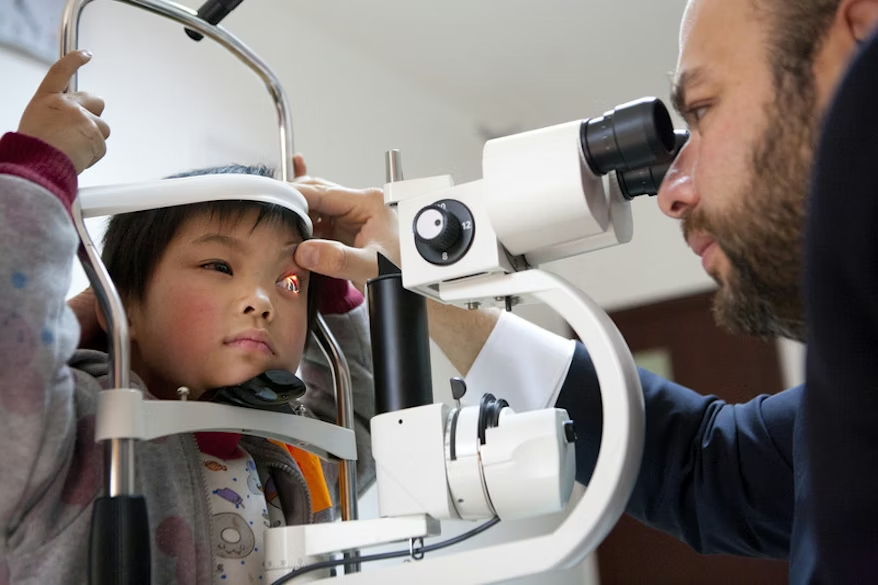
Telemedicine and mobile eye clinics are emerging as solutions, helping bridge the gap in underserved communities.
Future Outlook for Glaucoma Care in China
China’s healthcare system is rapidly investing in early detection programs, AI-powered diagnostics, and surgeon training. These efforts aim to reduce preventable blindness and improve long-term outcomes for glaucoma patients.
With continued innovation and public health initiatives, glaucoma treatment in China is expected to become more effective, accessible, and patient-focused over the next decade.