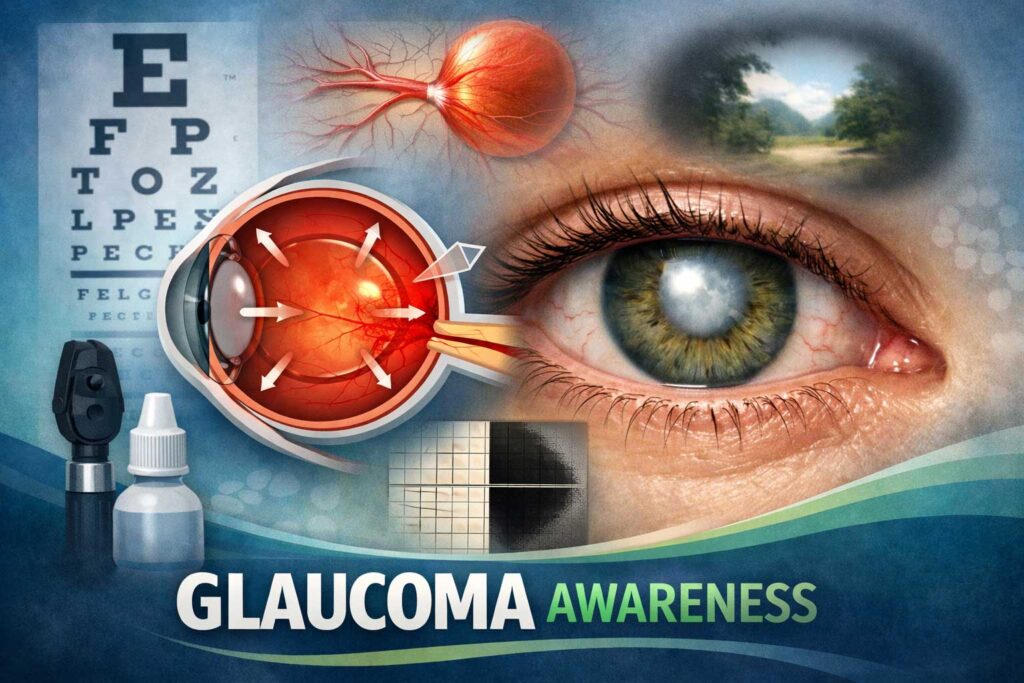
Introduction to Glaucoma and Its Impact on Twins
Welcome to our exploration of glaucoma in twins! Have you ever wondered how genetics influences eye health? Today, we’ll take a closer look at glaucoma and its unique impact on twins. This serious eye condition can lead to vision loss or blindness if untreated, and twin studies reveal fascinating insights about hereditary risk.
In this article, we’ll explore what twin studies have uncovered about glaucoma, lifestyle strategies to reduce risk, current treatments, and exciting research developments that may transform care for twins in the future.
The Role of Genetics in Glaucoma
Glaucoma has a well-established genetic component. Individuals with a family history of glaucoma are at higher risk, and specific genes influence susceptibility to conditions such as primary open-angle glaucoma (POAG) and angle-closure glaucoma (ACG). These genes regulate intraocular pressure and optic nerve function.
However, genetics alone does not determine disease onset. Age, ethnicity, and environmental factors also play critical roles. Identifying genetic markers is crucial for early detection and personalized treatment.
Lifestyle choices—regular exercise, a balanced diet, avoiding smoking, and limiting alcohol—can further reduce glaucoma risk, complementing genetic considerations.
Twin Studies: Insights into Hereditary Risk
Twin studies are pivotal for understanding glaucoma’s genetic influence. Comparing identical twins (100% shared DNA) with fraternal twins (≈50% shared DNA) shows a strong hereditary component: identical twins are more likely to both develop glaucoma.
Yet, environmental factors also matter. Even identical twins may experience different disease onset or progression depending on lifestyle, intraocular pressure variations, and other exposures. These studies highlight glaucoma’s multifactorial nature and underscore the importance of both genes and environment in risk assessment.
Factors Influencing Glaucoma Risk in Twins
While genetics contributes significantly, other factors influence glaucoma risk in twins:
-
Environmental exposures: Lifestyle choices such as smoking, alcohol use, and eye injuries can affect disease development.
-
Epigenetics: Changes in gene expression influenced by external factors may explain why one twin develops glaucoma while the other does not.
-
Intraocular pressure differences: Even minor variations in eye physiology can impact disease onset.
Understanding these interactions helps tailor prevention strategies and treatment plans for twins at risk.
Lifestyle Changes to Reduce Glaucoma Risk
Twins can take proactive steps to reduce glaucoma risk, complementing genetic monitoring:
-
Healthy diet: Include antioxidant-rich fruits and vegetables and omega-3 fatty acids from fish.
-
Regular exercise: Supports overall eye and cardiovascular health.
-
UV protection: Sunglasses with UV filters reduce eye damage.
-
Stress management: Chronic stress may increase intraocular pressure, so relaxation techniques like yoga or meditation are helpful.
Incorporating these practices alongside routine eye exams can help maintain vision health.
Current Treatments for Glaucoma
Although there is no cure, treatments aim to lower intraocular pressure and slow progression:
-
Medications: Eye drops or oral medications help control intraocular pressure.
-
Laser therapy: Procedures like trabeculoplasty improve fluid drainage.
-
Surgical options: Trabeculectomy, shunts, and other interventions target advanced cases.
Treatment plans should be personalized, and adherence is critical for preserving vision.
The Future of Glaucoma Research in Twins
Emerging research holds promise for twins at risk:
-
Gene therapy: Targeted treatments may slow or prevent glaucoma progression.
-
Stem cell therapy: Potential to repair optic nerve damage and restore vision.
-
Advanced imaging: Techniques like OCT allow earlier and more accurate detection.
-
Artificial intelligence: AI can analyze twin study data to identify risk patterns and personalize treatments.
-
Improved drug delivery: Sustained-release implants may reduce reliance on daily eye drops.
Collaborative global research will accelerate progress, ultimately improving prevention and care for twins predisposed to glaucoma.
Conclusion
Glaucoma poses significant risks, and twins face unique considerations due to their shared genetics. Twin studies reveal the interplay between hereditary factors and environment, helping guide early detection, prevention, and personalized care.
Lifestyle changes, adherence to treatment, and regular eye exams are essential for reducing risk and preserving vision. Advances in genetics, imaging, and therapy promise a future with more targeted, effective interventions.
For twins, staying informed, proactive, and connected with eye care professionals is the best strategy to manage glaucoma risk and maintain long-term eye health.