Home Remedies That May Help Lower Eye Pressure
Looking for ways to support your eye health from home?
If you’ve been diagnosed with glaucoma or have high eye pressure, your treatment likely includes prescription drops or other interventions.
But some changes at home may support that care.
Let’s look at simple habits and routines that may help.
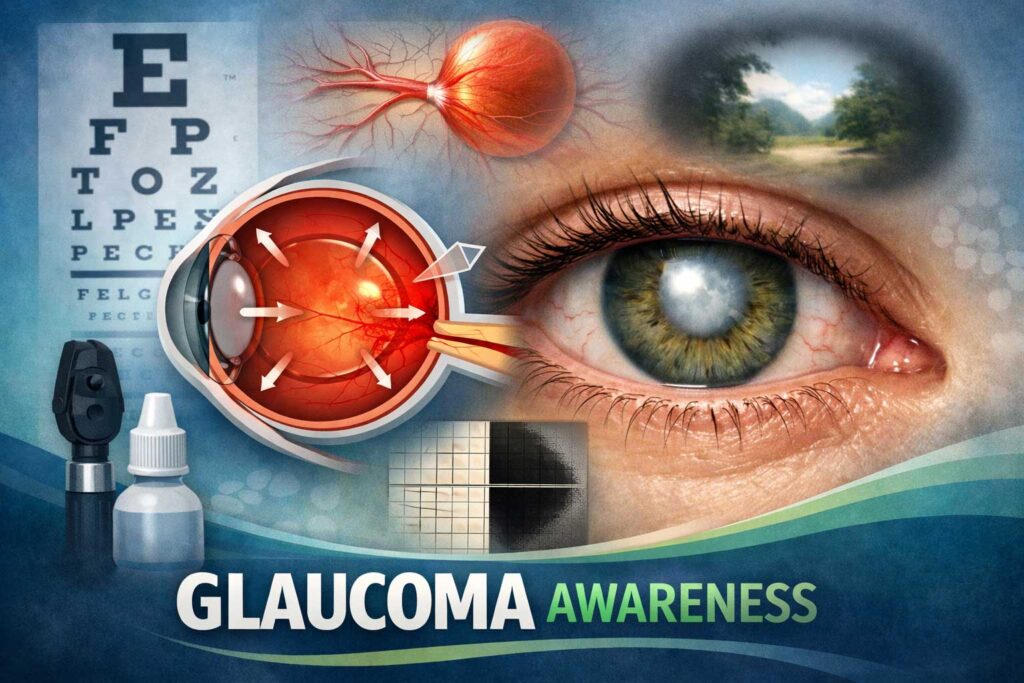
What Is Eye Pressure?
Your eyes produce a clear fluid called aqueous humor.
This fluid drains through a channel.
If the drainage slows or gets blocked, pressure builds.
That’s called intraocular pressure (IOP).
If it stays high, it can damage the optic nerve.
Lowering pressure helps protect your vision.
Can Home Remedies Help?
They can’t replace medical care.
But some at-home steps may help stabilize or reduce pressure.
These are easy to start and cost little to nothing.
1. Drink Water in Small Amounts
Drinking large volumes of water quickly may spike your eye pressure.
Spread your water intake across the day.
Try:
-
A few sips every 15–30 minutes
-
Avoiding chugging full glasses at once
-
Staying hydrated evenly through meals
2. Limit Caffeine
Caffeine may cause a short rise in eye pressure.
Some people are more sensitive to this.
Try limiting coffee or switching to:
-
Herbal teas
-
Decaf drinks
-
Water with lemon
If you drink coffee, keep it moderate—one cup per day.
3. Eat Leafy Greens
Leafy greens are rich in nitrates.
These may support better blood flow to the eyes.
Try adding:
-
Spinach
-
Kale
-
Collards
-
Romaine lettuce
One or two servings a day is a good start.
4. Add Omega-3 Fatty Acids
Omega-3s support general eye health.
Sources include:
-
Chia seeds
-
Flaxseeds
-
Walnuts
-
Fatty fish (like salmon or sardines)
You can also take a supplement if needed.
5. Manage Body Position
Certain positions may raise pressure temporarily.
To help:
-
Sleep with your head slightly elevated (use a wedge pillow)
-
Avoid sleeping face-down
-
Don’t stay in head-down yoga poses
Even reading while lying flat may raise pressure slightly.
Adjust your posture to stay upright.
6. Practice Deep Breathing
Stress may raise pressure indirectly.
Relaxation techniques may support steadier levels.
Try:
-
Deep belly breathing for 5 minutes
-
Breathing slowly in and out through your nose
-
Focusing only on the breath
You can do this while sitting, walking, or resting.
7. Stay Physically Active
Light to moderate aerobic activity may support eye pressure control.
Try:
-
Walking
-
Swimming
-
Cycling
Avoid activities that involve straining or holding your breath (like heavy lifting).
Talk to your doctor about what’s safe for you.
8. Avoid Smoking
Smoking reduces oxygen supply and affects blood flow to the eyes.
It may also raise the risk of other eye conditions.
If you smoke, consider steps to quit.
Every day without tobacco helps your eyes and your body.
9. Keep Blood Sugar Stable
If you have diabetes or insulin resistance, blood sugar spikes may impact your eye pressure over time.
To help:
-
Eat balanced meals
-
Avoid high-sugar snacks
-
Choose whole foods over processed ones
Ask your doctor about monitoring blood sugar levels regularly.
10. Take Eye Breaks
If you spend hours at a screen, you may strain your eyes.
Try the 20-20-20 rule:
-
Every 20 minutes
-
Look 20 feet away
-
For 20 seconds
This helps reduce eye fatigue and supports circulation.
What Doesn’t Help?
Not all home remedies are safe.
Skip these:
-
Eye rinses not prescribed by a doctor
-
Herbal drops sold online without testing
-
Over-the-counter “vision cleanses”
Stick to habits backed by data or approved by your eye doctor.
Sample Daily Routine
Here’s one way to apply these tips:
Morning:
-
Light walk or gentle stretching
-
Green smoothie with spinach and flax
-
Take a few deep breaths before work
Afternoon:
-
Sip water throughout the day
-
Eye break every 20 minutes
-
Healthy lunch with salmon and greens
Evening:
-
Herbal tea (no caffeine)
-
Sleep with your head slightly raised
-
No screen time an hour before bed
Final Thought
You don’t need complicated routines or expensive tools.
Small daily actions at home may help support your treatment plan.
Talk to your eye doctor about what’s right for you.
Then take the first step—right from your home.