Lifestyle Habits That Support Eye Pressure Control
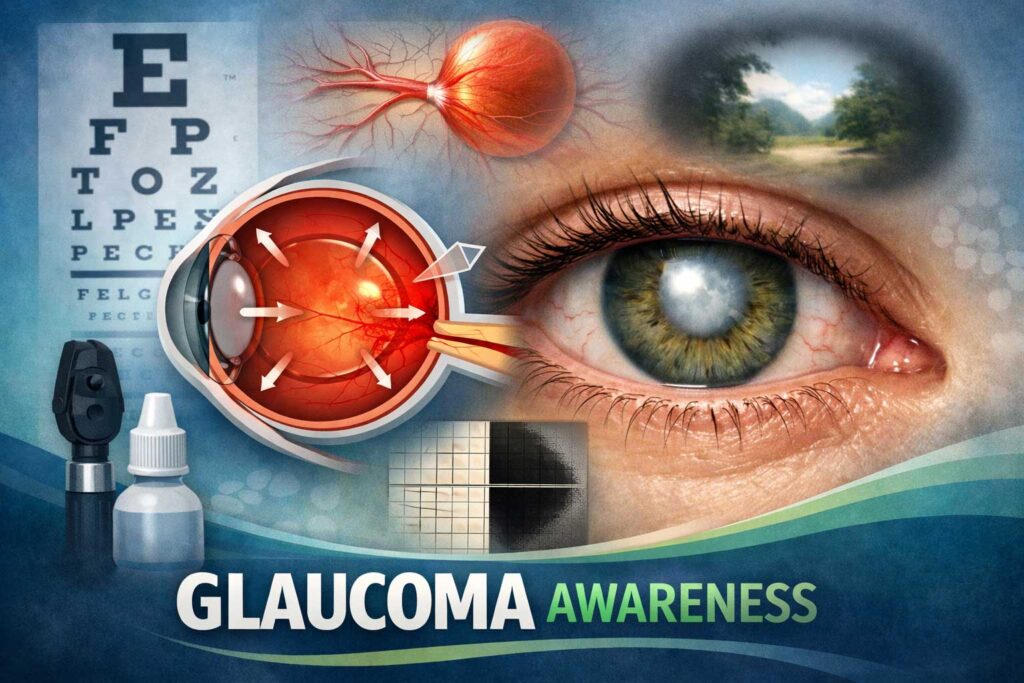
Glaucoma often starts without symptoms.
It raises pressure inside your eye, which may damage your optic nerve.
Medication can help.
But your daily routine matters, too.
Certain habits may support lower pressure—
and protect your vision over time.
Move Every Day
Regular physical activity may lower eye pressure.
Good options include:
Brisk walking
Cycling
Swimming
Low-impact aerobics
Dancing
Aim for:
30 minutes per session
4–5 times per week
A steady, comfortable pace
Avoid heavy lifting or inverted poses if your doctor advises it.
Stay Hydrated—The Right Way
Water helps your body function.
But drinking too much too quickly can raise eye pressure.
Try this instead:
Sip water slowly throughout the day
Avoid drinking more than 1 cup at once
Aim for 8–10 cups total, spaced out
Carry a reusable bottle and refill it often.
Limit Screen Strain
Screens cause you to blink less.
That may lead to dryness, fatigue, and pressure spikes.
Use the 20-20-20 rule:
Every 20 minutes
Look 20 feet away
For at least 20 seconds
Also:
Sit upright
Keep screens at eye level
Use artificial tears if needed
Eat for Eye Health
Certain foods may support nerve function and pressure regulation.
Try:
Leafy greens (spinach, kale, romaine)
Omega-3 fish (salmon, sardines, tuna)
Berries and citrus
Eggs, dairy, and whole grains
Nuts and seeds
Limit:
Sugary snacks
Processed foods
Salty meals
Make small swaps—like replacing soda with water or chips with almonds.
Sleep With Head Raised
Lying flat may increase pressure overnight.
Use a wedge pillow or two regular pillows to raise your head by 20–30 degrees.
Also:
Avoid sleeping on your stomach
Keep your bedding clean
Maintain a regular sleep schedule
Poor sleep can affect more than your eyes.
Avoid Smoking
Smoking affects blood flow and may damage the optic nerve.
It can also raise the risk of cataracts and dry eye.
Quitting helps your eyes, lungs, and heart.
Ask your doctor about support programs, patches, or prescription help.
Limit Caffeine
Too much caffeine may raise eye pressure in some people.
Try:
Limiting coffee to 1–2 cups daily
Switching to herbal tea
Skipping energy drinks
Tracking how you feel after caffeine
Everyone reacts differently.
Monitor your pressure if you notice changes.
Manage Stress
Stress doesn’t cause glaucoma—
but it can affect your pressure levels.
Try:
Deep breathing (4 seconds in, 6 seconds out)
Walking outdoors
Listening to music
Talking with a friend
Keeping a journal
You don’t need perfection—just regular habits that keep you calm.
Protect Your Eyes
Injury may trigger or worsen glaucoma.
Take steps to protect your eyes:
Wear safety glasses when working with tools
Use goggles while swimming
Put on sunglasses outdoors
Avoid contact sports without protection
Even small impacts can affect pressure.
Take Breaks from Screens
Prolonged screen use can add to eye strain.
Break it up:
Switch tasks every hour
Look away from the screen often
Use anti-glare filters or blue light settings
Blink more often to keep your eyes moist
Your eyes need downtime, too.
Follow Your Treatment Plan
Lifestyle helps—but it doesn’t replace treatment.
Keep using eye drops or medications as directed.
Attend all eye appointments.
Track changes in vision or comfort.
Bring questions to your doctor.
Discuss how your daily habits might support your care plan.
Make One Change at a Time
Trying to change everything at once rarely works.
Start with one habit:
Add a walk after dinner
Swap sugary drinks for water
Raise your head while sleeping
Breathe deeply before bed
Then add another next week.
Over time, these small actions can support better pressure control.
Summary
Lifestyle choices matter.
They can’t cure glaucoma—
but they can support your vision and help slow damage.
Stay active.
Eat well.
Sleep right.
Follow your care plan.
Your eyes are part of your daily life—
so build habits that support them.