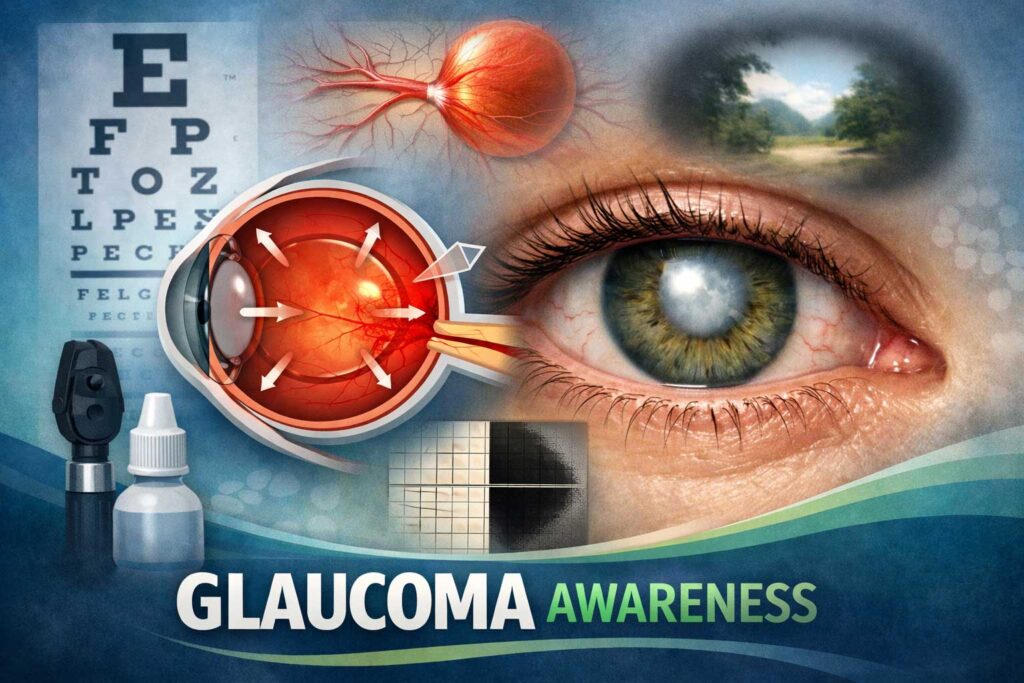
Introduction to Glaucoma
Glaucoma is a condition that affects millions of people worldwide and is often called the “silent thief of sight” because it can gradually damage vision without noticeable symptoms until advanced stages. In this article, we explore the different types of glaucoma, share real-life experiences of those living with it, discuss its impact on daily life and mental health, and provide practical tips for coping and managing the condition. We also highlight the importance of regular eye exams and outline the treatment options available.
Understanding the Different Types of Glaucoma
Glaucoma is not a single disease but a group of eye conditions that can lead to vision loss. Understanding the type of glaucoma you may have is essential for proper management and treatment.
Primary Open-Angle Glaucoma (POAG) is the most common form. It develops slowly as fluid drainage in the eye becomes less efficient, gradually increasing intraocular pressure. Often, there are no early symptoms, making routine eye exams crucial.
Angle-Closure Glaucoma, also called narrow-angle glaucoma, can appear suddenly with symptoms such as eye pain, blurred vision, headache, nausea, or halos around lights. It occurs when the angle between the cornea and iris narrows or closes, causing rapid pressure buildup.
Secondary Glaucoma arises from other conditions, such as eye injury, prolonged use of certain medications (like corticosteroids), or systemic diseases such as diabetes.
Congenital or Childhood Glaucoma affects infants and young children due to structural eye abnormalities. Early diagnosis and prompt treatment are critical to prevent irreversible vision loss.
By recognizing the distinct types of glaucoma, patients and caregivers can make informed decisions and seek targeted medical care.
Personal Stories from Individuals Living with Glaucoma
Living with glaucoma is often a deeply personal journey. Each experience is unique, shaped by the type of glaucoma, progression of vision loss, and available support systems.
One person recalls being diagnosed during a routine eye exam. Shocked and anxious at first, they found comfort in connecting with support groups and others facing similar challenges.
Another shares how glaucoma changed the way they manage daily tasks. Adapting to vision changes meant learning new techniques for cooking, reading, and navigating their environment. Humor and positivity became essential tools in overcoming daily obstacles.
A third individual reflects on the emotional impact, describing periods of frustration, anxiety, and even depression. Therapy, meditation, and leaning on family and friends helped them regain strength and maintain a sense of independence.
These stories highlight resilience and determination. Sharing experiences not only raises awareness but also encourages others to seek guidance, support, and hope.
The Impact of Glaucoma on Daily Life and Mental Health
Glaucoma can significantly affect daily activities and mental well-being. Gradual vision loss may make tasks like reading, driving, or recognizing faces more difficult, sometimes requiring adaptations at home.
The emotional burden can be heavy, with frustration, anxiety, or feelings of isolation emerging as the condition progresses. Managing treatments, medications, and regular checkups adds to this stress.
However, support systems—from healthcare providers to family and peer networks—can make a substantial difference. Engaging in stress-relief activities like hobbies, meditation, or gentle exercise also promotes mental wellness. Maintaining a proactive approach to both physical and emotional health is essential for quality of life.
Coping Strategies and Tips for Living with Glaucoma
Practical strategies can help manage glaucoma effectively:
-
Stay informed: Learn about your diagnosis, types of glaucoma, treatment options, and potential complications. Knowledge empowers decision-making.
-
Follow your treatment plan: Take medications consistently, attend follow-up appointments, and communicate openly with your eye care team.
-
Adopt a healthy lifestyle: Regular exercise and a nutrient-rich diet support eye health.
-
Manage stress: Use relaxation techniques, meditation, or hobbies to maintain emotional balance.
-
Seek support: Join glaucoma support groups or connect with others who understand your experiences.
Every person’s experience with glaucoma is different, so it’s important to experiment with strategies and adapt them to your needs.
The Importance of Regular Eye Exams and Treatment Options
Routine eye exams are vital for detecting glaucoma early. Ophthalmologists measure intraocular pressure, examine the optic nerve, and perform visual field tests to monitor for vision loss.
Treatment depends on the type and severity of glaucoma:
-
Medications such as eye drops to reduce eye pressure
-
Laser therapy to improve fluid drainage
-
Surgery in more severe cases
Even if you experience no symptoms, regular eye checkups are critical. Early detection and adherence to treatment plans can significantly slow progression and preserve vision.
Raising Awareness and Support for Those Living with Glaucoma
Understanding glaucoma and its impact on daily life helps build empathy and support for those affected. Awareness encourages early detection and empowers patients to take proactive steps in managing their eye health.
Support networks—whether through family, friends, or peer groups—play a vital role. They offer practical advice, emotional reassurance, and shared strategies for coping with challenges.
Each person’s journey with glaucoma is unique, but through education, understanding, and support, individuals can maintain independence, protect their vision, and improve quality of life.
By increasing awareness, advocating for regular eye exams, and providing emotional support, society can help those living with glaucoma face the future with confidence and resilience.