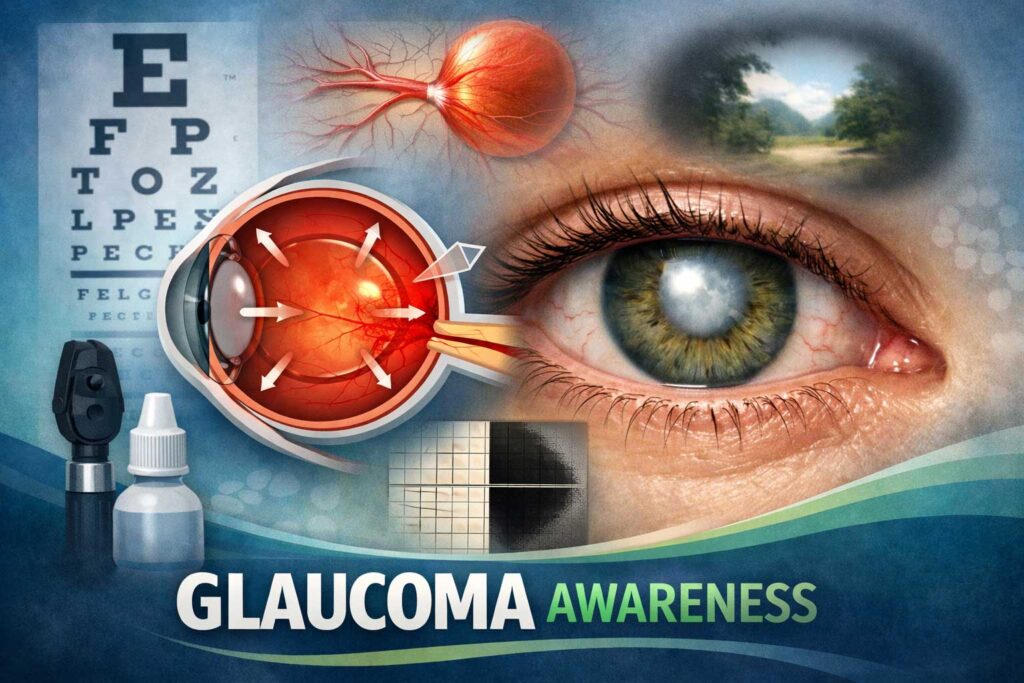
Lower Eye Pressure Without Medication
Can you reduce eye pressure without using eye drops or pills?
Yes—some daily habits may help.
They don’t replace treatment.
But they can support it.
Here’s how.
Start with Movement
Regular physical activity helps.
Try brisk walking 4–5 times a week.
Avoid heavy lifting or straining.
Choose activities that don’t involve putting your head below your heart.
Movement helps fluid flow through the eye’s drainage system.
That may reduce pressure.
Watch Your Posture
Certain positions raise pressure.
Avoid:
Holding your breath while lifting
Lying flat for long hours
Inverted poses in yoga
Sleeping face down
Tip:
Use a wedge pillow or elevate your head slightly when sleeping.
A 20–30 degree angle may help reduce pressure at night.
Manage Your Caffeine
Too much caffeine may raise eye pressure for a short time.
What you can do:
Limit coffee to 1–2 small cups per day
Avoid large energy drinks
Choose water or herbal tea instead
Watch how your body responds.
Some people are more sensitive than others.
Stay Hydrated—But Space It Out
Drinking water is good.
But gulping down a liter all at once?
That may spike pressure briefly.
Try this instead:
Sip small amounts throughout the day
Aim for 8–10 glasses total
Don’t skip hydration—but don’t chug
Eat with Eye Pressure in Mind
Certain nutrients may support eye health.
Focus on:
Leafy greens like kale or spinach
Fruits high in antioxidants, such as berries
Fatty fish like salmon or sardines (for omega-3s)
Nuts and seeds (in small amounts)
Skip salty processed foods.
High sodium can raise blood pressure—and possibly eye pressure.
Protect Your Eyes from Injury
Even small injuries can raise pressure.
Especially if you’ve had surgery or are at risk for glaucoma.
Tips:
Wear eye protection when working with tools
Use safety glasses during sports
Avoid rubbing your eyes hard
Reduce Screen Time Strain
Long hours on screens can lead to eye strain.
While it doesn’t raise pressure directly, tired eyes may feel worse.
Try the 20-20-20 rule:
Every 20 minutes, look 20 feet away for 20 seconds.
Also:
Keep screens at eye level
Use proper lighting
Blink often to keep eyes moist
Control Stress
Stress affects the whole body—including your eyes.
Try simple ways to manage it:
Deep breathing
Walking outdoors
Short breaks during work
Quiet routines before sleep
You don’t need a full routine.
Even five minutes of calm breathing helps.
Avoid Smoking
Smoking affects blood flow to the optic nerve.
This may worsen glaucoma.
If you smoke, ask your doctor for help quitting.
Quitting improves overall health—
and may help slow vision loss.
Monitor Yourself
Even if you don’t take medicine now, track your eye pressure.
Schedule regular checkups
Write down pressure readings
Note any changes in vision
If your doctor sees pressure rising, you may need treatment.
These tips help—but don’t replace medical advice.
Ask Yourself
Have I checked my eye pressure recently?
Do I exercise regularly?
Am I drinking water the right way?
Is my sleep posture helping or hurting my eyes?
Small changes each day can support long-term eye health.
Final Tip
You don’t need a full lifestyle overhaul.
Pick two or three habits that fit your life.
Start today.
You’re not powerless against glaucoma.
Even without medicine, you can take steps that matter.