A Practical Guide to Managing Minor Eye Condition Symptoms
Our eyes are our windows to the world, yet we often take their health for granted until a problem arises. From the sudden sting of a foreign object to the persistent itch of seasonal allergies, minor eye conditions are a common part of life. While many of these issues are not serious, knowing how to manage them effectively can prevent discomfort from turning into a more significant problem. This practical guide will equip you with the knowledge to identify and safely manage minor eye condition symptoms at home, and, just as importantly, to recognize when it’s time to see a doctor.
Know Your Enemy: Common Minor Eye Conditions
Before you can treat a problem, you need to identify it. Most minor eye issues fall into a few familiar categories. Understanding the root cause is the first step toward effective relief.
Conjunctivitis (Pink Eye)
This is an inflammation of the conjunctiva, the clear tissue covering the white part of your eye. It can be:
Viral: Highly contagious, often accompanied by cold symptoms. It typically causes a watery discharge.
Bacterial: Also contagious, this form usually produces a thicker, yellow or greenish discharge that can crust over.
Allergic: Not contagious, this is a response to allergens like pollen or pet dander and causes intense itching, redness, and tearing in both eyes.
Dry Eye Syndrome
This occurs when your eyes don’t produce enough tears or the right quality of tears. It’s often characterized by a gritty, burning sensation, redness, and sometimes even watery eyes as your body overcompensates. It’s common for people who spend long hours in front of screens, in air-conditioned environments, or who wear contact lenses.
Styes and Chalazia
A stye is a painful, red bump near the edge of your eyelid, often looking like a pimple or boil. It’s caused by a bacterial infection in an oil gland or eyelash follicle.
A chalazion is a usually painless (but can be tender), slow-growing lump further back on the eyelid. It’s caused by a blocked oil gland.
Eye Allergies
Triggered by the same allergens that cause sneezing and a runny nose, eye allergies lead to intense itching, redness, swelling, and watery discharge. The key differentiator from infectious conjunctivitis is the powerful urge to itch.
Your At-Home First Aid Kit for Eye Irritations
For many minor issues, simple at-home remedies can provide significant relief. Always start with clean hands before touching the area around your eyes.
Soothing Dry and Tired Eyes
Artificial Tears: These over-the-counter lubricating eye drops are a first line of defense for dry eye. Use preservative-free varieties if you need to apply them more than four times a day.
Warm Compresses: Applying a warm, clean washcloth to closed eyelids for 5-10 minutes can help unclog blocked oil glands, providing relief for both dry eye and styes.
Blink More, Take Breaks: Practice the 20-20-20 rule to combat digital eye strain. Every 20 minutes, look at something 20 feet away for at least 20 seconds.
Managing Itchiness and Allergies
Cool Compresses: A cold compress can reduce inflammation and soothe the intense itch of eye allergies.
Over-the-Counter Antihistamine Drops: Look for allergy eye drops specifically designed to block the histamine response that causes itching and redness.
Avoid Rubbing: As tempting as it is, rubbing itchy eyes can release more histamines and worsen the irritation.
Dealing with Styes and Gritty Sensations
Consistent Warm Compresses: The primary treatment for a stye is a warm compress applied for 10-15 minutes, 3-4 times a day. This helps bring the infection to a head so it can drain.
Gentle Eyelid Hygiene: Use a mild, tear-free baby shampoo or a pre-moistened eyelid cleansing wipe to gently clean the base of your eyelashes, removing debris and excess bacteria.
Let it Heal: Never squeeze or pop a stye. This can spread the infection.
Red Flags: When to Put Down the Home Remedy and Call the Doctor
Self-care has its limits. Certain symptoms are warning signs that require immediate professional attention. Ignoring them could lead to permanent vision loss.
You should seek immediate medical care if you experience any of the following:
Sudden loss of vision or a significant decrease in clarity.
Eye pain that is moderate to severe, not just minor irritation or a gritty feeling.
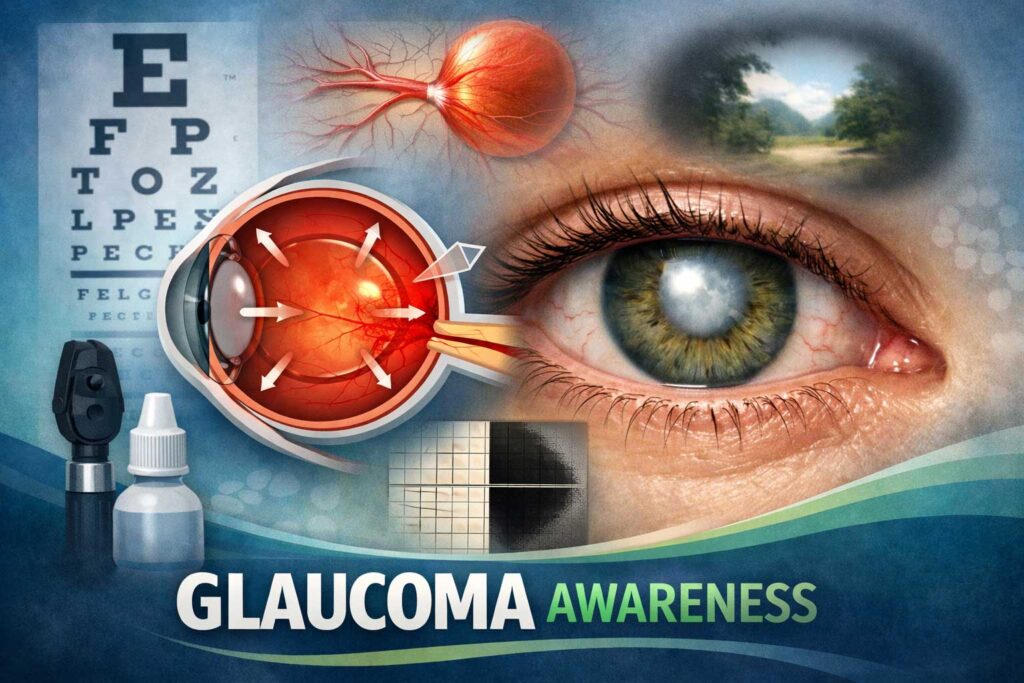
Seeing halos around lights, which can be a sign of acute glaucoma.
Physical trauma to the eye, such as a direct blow or a penetrating injury.
Chemical burns from a splash or fumes.
A foreign object embedded in your eye that you cannot easily flush out.
Double vision or other severe visual disturbances.
You should schedule an appointment with your eye doctor if you have:
Symptoms of a minor condition (like pink eye or a stye) that do not improve after a few days of home care.
Extreme sensitivity to light (photophobia).
A thick, pus-like discharge that keeps coming back.
A feeling that something is in your eye (a foreign body sensation) that doesn’t go away after flushing.
Redness that persists for more than a week.
Prevention is the Best Medicine: Protecting Your Precious Sight
The best way to manage minor eye conditions is to prevent them from happening in the first place. Incorporate these simple habits into your daily routine.
Practice Good Hygiene: Wash your hands frequently and avoid touching or rubbing your eyes. Never share eye makeup, contact lenses, or eye drops.
Protect Your Eyes from the Elements: Wear sunglasses that block 100% of UVA and UVB rays to protect against sun damage. Use protective eyewear when doing yard work, working with chemicals, or playing sports.
Give Your Eyes a Break: Adhere to the 20-20-20 rule to reduce digital eye strain. Ensure your workspace has adequate, glare-free lighting.
Maintain Contact Lens Care: Follow your eye doctor’s instructions meticulously. Never sleep in contacts unless prescribed, and always use fresh solution—never water or saliva.
Stay Hydrated and Eat a Balanced Diet: Nutrients like Omega-3 fatty acids, and vitamins C and E contribute to long-term eye health.
Conclusion: Empowered Eye Care for Everyday Life
Minor eye irritations are often a temporary nuisance, but handling them correctly is crucial for your comfort and long-term vision health. By learning to identify common conditions, applying safe and effective home remedies, and, most importantly, knowing the warning signs that require a doctor’s visit, you become an active participant in your eye health. Your vision is irreplaceable. A little knowledge and a proactive approach can go a long way in keeping your eyes clear, comfortable, and healthy for years to come.