AIIMS Proposes Lactoferrin Milk Protein Tablet for Dry Eye Relief
For millions grappling with the persistent discomfort of dry eye disease, relief has often been a revolving door of eye drops, gels, and lifestyle adjustments. Now, a groundbreaking proposal from one of India’s premier medical institutions, the All India Institute of Medical Sciences (AIIMS), is shining a spotlight on a novel, ingestible solution. Researchers are championing the use of a lactoferrin milk protein tablet as a potential game-changer in the management of this widespread condition.
This innovative approach moves beyond surface-level lubrication, targeting the underlying inflammation and damage that characterize chronic dry eye. The proposal is based on compelling research and represents a significant shift towards systemic, nutraceutical-based therapy for ocular surface health.
Understanding the Dry Eye Epidemic
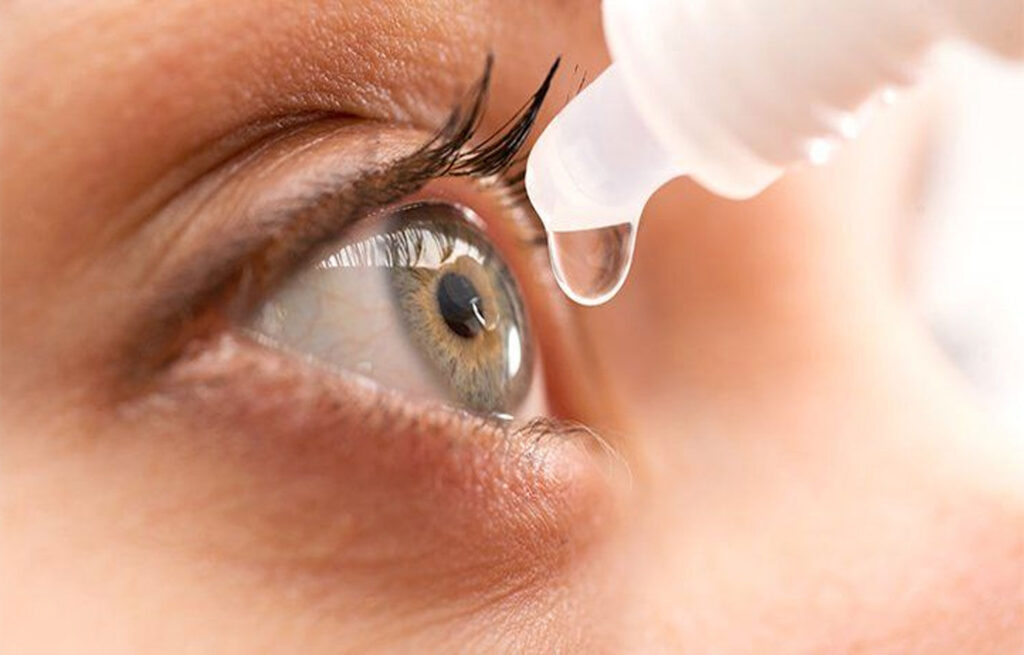
Dry Eye Disease (DED), or Keratoconjunctivitis Sicca, is far more than just occasional dryness. It’s a complex multifactorial condition where the eyes either don’t produce enough tears or produce tears of poor quality that evaporate too quickly. This leads to a cycle of inflammation, damage to the ocular surface, and a host of debilitating symptoms.
Common symptoms include:
- A persistent gritty or sandy sensation in the eyes
- Burning, stinging, or redness
- Fluctuating blurry vision
- Watery eyes (a reflex response to irritation)
- Light sensitivity and eye fatigue
Traditional treatments primarily focus on artificial tear supplements and anti-inflammatory eye drops. While helpful, they often require frequent application and may not address the root causes, especially those linked to systemic inflammation and nutritional deficiencies.
What is Lactoferrin and Why is it a Breakthrough?
Lactoferrin is a naturally occurring multifunctional protein found abundantly in mammalian milk, including human colostrum, and in various bodily secretions like tears and saliva. It’s a key component of the innate immune system.
In the context of eye health, lactoferrin is naturally present in human tears, playing a crucial protective role. Its levels are often found to be significantly reduced in patients suffering from Dry Eye Disease. This deficiency is where the science gets interesting.
The Multifaceted Power of Lactoferrin for the Eyes
AIIMS’s proposal is rooted in lactoferrin’s proven biological actions, which directly counter the pathology of dry eye:
1. Potent Anti-Inflammatory and Immunomodulatory Action: Chronic inflammation is a central driver of DED. Lactoferrin expertly modulates the immune response, suppressing the overproduction of inflammatory cytokines that damage the delicate corneal and conjunctival cells. It helps calm the ocular surface environment.
2. Powerful Antimicrobial and Antiviral Shield: By binding to iron—a mineral essential for bacterial growth—lactoferrin starves harmful pathogens. It also disrupts the cell walls of bacteria and viruses. This is vital for dry eye patients, whose compromised tear film is more susceptible to infections that can exacerbate the condition.
3. Promotes Corneal Healing and Cell Health: Research indicates that lactoferrin can stimulate the proliferation and migration of corneal epithelial cells, accelerating the healing of abrasions on the eye’s surface—a common issue in severe dry eye.
4. Antioxidant Protection: It combats oxidative stress, a key factor in aging and tissue damage, thereby protecting the cells of the ocular surface from free radical-induced injury.
The AIIMS Proposal: An Oral Tablet for Holistic Relief
The most compelling aspect of the AIIMS initiative is the delivery method: an oral lactoferrin tablet. This systemic approach offers distinct advantages over topical eye drops alone.
- Targets the Source Internally: Dry eye is often linked to systemic conditions (like autoimmune disorders) and nutritional status. An oral supplement works from within, potentially addressing these underlying contributors.
- Sustained Action: Unlike drops that wash away, a tablet provides a steady release of lactoferrin into the bloodstream, ensuring a consistent supply to the lacrimal glands and ocular tissues.
- Improved Compliance: Taking a tablet once or twice daily is often easier and more consistent for patients than remembering to apply drops multiple times a day.
- Synergy with Existing Treatments: The lactoferrin tablet is envisioned as a complementary therapy, potentially enhancing the effects of artificial tears and prescription eye drops, allowing for better overall disease management.
Research and the Path Forward
The proposal from AIIMS is not based on conjecture. It is backed by a growing body of international clinical studies. Trials have demonstrated that oral lactoferrin supplementation can:
- Significantly increase tear film stability and volume.
- Reduce classic dry eye symptoms (burning, grittiness, fatigue).
- Lower the concentration of inflammatory markers in the tears.
- Improve the health of the meibomian glands, which produce the oily layer of the tear film.
The next crucial steps involve large-scale, robust clinical trials within the Indian population to standardize dosage, confirm efficacy, and ensure safety. As a nutraceutical, its path to market could be different from a pharmaceutical drug, but medical endorsement from an institution like AIIMS carries significant weight in establishing its therapeutic credibility.
A New Horizon in Dry Eye Management
The proposal for a lactoferrin milk protein tablet by AIIMS marks a paradigm shift. It moves the narrative from simple lubrication to holistic ocular surface rehabilitation. By harnessing a natural, biologically active protein that the body already uses and needs, this approach offers a promising, science-backed avenue for relief.
For the vast number of individuals whose daily lives are impacted by the sting and blur of dry eyes, this research brings a wave of hope. It represents a future where managing dry eye could be as simple as taking a daily tablet that works from the inside out, restoring balance and comfort through the profound power of a naturally occurring guardian protein.
Disclaimer: This article is for informational purposes based on the cited news report and available scientific literature. Lactoferrin supplements are available as nutraceuticals, but individuals suffering from dry eye disease should consult their ophthalmologist for a proper diagnosis and personalized treatment plan before starting any new therapy.