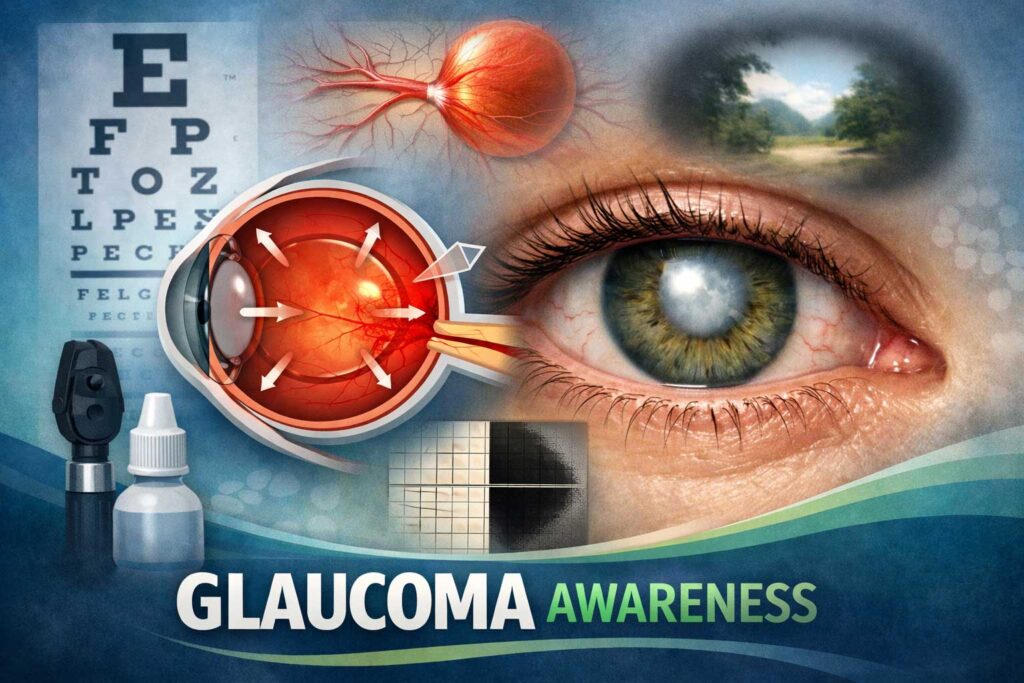
Innovative Minimally Invasive Glaucoma Treatments in Development
Glaucoma, often called the “silent thief of sight,” is a leading cause of irreversible blindness worldwide. For decades, treatment has relied on eye drops, laser therapy, or invasive surgeries. Now, advances in medical technology are introducing minimally invasive glaucoma surgeries (MIGS), offering safer procedures, faster recovery, and effective intraocular pressure (IOP) control.
This article explores the latest innovations in MIGS, their benefits, and their potential to transform glaucoma management.
What Are Minimally Invasive Glaucoma Treatments (MIGS)?
MIGS are surgical procedures designed to reduce IOP with minimal trauma to the eye. Compared to traditional surgeries, MIGS:
-
Use microscopic devices or tiny incisions
-
Have shorter recovery times
-
Carry fewer complications
-
Can often be performed alongside cataract surgery
MIGS are particularly suited for patients with mild-to-moderate glaucoma or those who haven’t achieved adequate IOP control with medications.
Latest Innovations in MIGS
The field of MIGS is rapidly evolving. Some of the most promising advancements include:
1. Micro-Stent Implants
Tiny devices implanted in the eye’s drainage system to improve fluid outflow:
-
iStent inject® – Creates multiple drainage pathways.
-
Hydrus Microstent® – A flexible scaffold opening the eye’s natural canal.
These stents are often inserted during cataract surgery through a small corneal incision, lowering IOP with minimal disruption.
2. Suprachoroidal Shunts
Small tubes placed in the suprachoroidal space (between sclera and choroid) enhance fluid drainage. MINIject® is showing promising results in clinical trials for effectively reducing IOP.
3. Laser-Based MIGS
Laser treatments are becoming more precise and less invasive:
-
Micropulse Laser Trabeculoplasty (MLT) – Stimulates drainage with short laser bursts without damaging tissue.
-
Endocyclophotocoagulation (ECP) – Targets the ciliary body to reduce fluid production.
These techniques provide non-incisional options for patients reluctant to undergo surgery.
4. Biodegradable Implants
Implants that dissolve over time, eliminating removal needs. XEN® Gel Stent, made from soft collagen, offers long-term IOP control safely.
5. Smart Drug Delivery Systems
Sustained-release drug implants, like Bimatoprost SR, slowly release glaucoma medication within the eye, potentially replacing daily eye drops and improving adherence.
Benefits of MIGS Over Traditional Surgery
| Feature | Traditional Surgery | MIGS |
|---|---|---|
| Invasiveness | High (large incisions) | Low (micro-incisions) |
| Recovery Time | Weeks to months | Days to weeks |
| Complication Risk | Higher (bleeding, infection) | Lower |
| Combination with Cataract Surgery | Rare | Common |
Who Is a Candidate for MIGS?
Ideal candidates include:
-
Patients with mild-to-moderate glaucoma
-
Those struggling with daily medications
-
Individuals undergoing cataract surgery
-
Patients seeking safer alternatives to trabeculectomy or tube shunts
Patients with advanced glaucoma may still require traditional surgery.
The Future of MIGS
Emerging trends indicate a more patient-friendly approach to glaucoma care:
-
AI-assisted surgical planning – Optimizes stent placement for better outcomes.
-
Gene therapy – Potential to repair damaged drainage systems at the molecular level.
-
Nanotechnology – Nano-sized devices may further reduce surgical impact.
Conclusion
Minimally invasive glaucoma surgeries (MIGS) mark a significant leap in eye care, offering safer, faster, and more effective options. Ongoing research continues to expand possibilities, giving patients better control over glaucoma progression.
If you or a loved one is managing glaucoma, consult an ophthalmologist to see if MIGS is suitable. Early intervention with these advanced treatments can help preserve vision and improve quality of life.