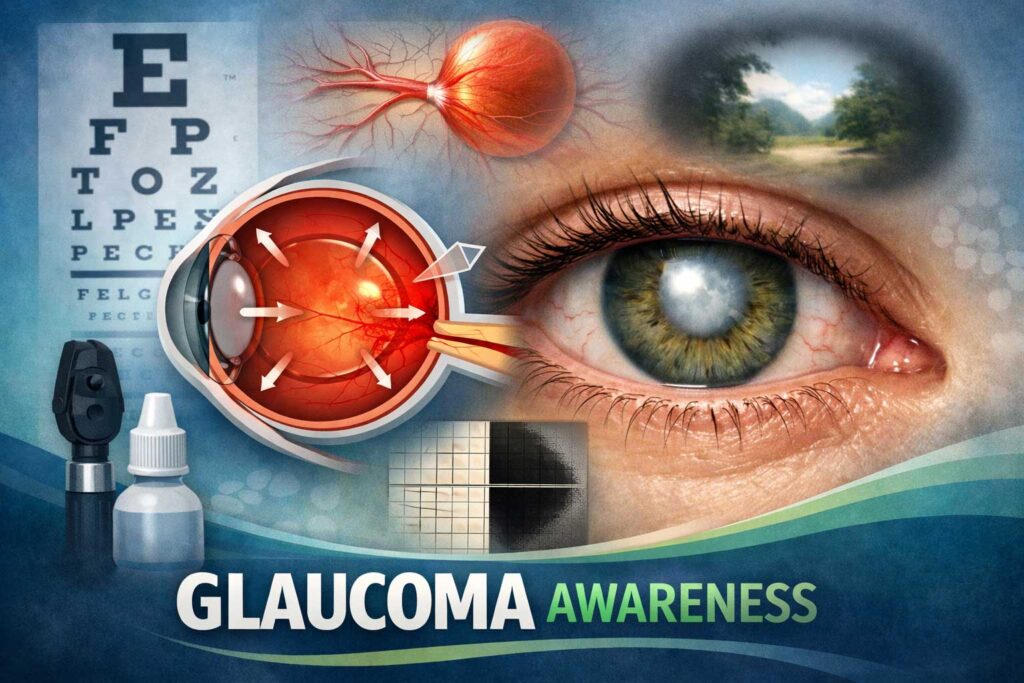
Natural Ways to Lower Eye Pressure
Glaucoma raises eye pressure.
That pressure can damage your optic nerve.
Most people treat it with medicine or surgery.
But are there natural ways to help?
Yes.
While these don’t replace medical care, they may support it.
Move with Purpose
Exercise can reduce eye pressure.
Try brisk walking or cycling
Aim for 30 minutes, 4–5 days a week
Avoid heavy lifting or pushing
Keep your head above your heart.
Skip yoga poses that put pressure on your eyes.
Eat for Your Eyes
Some foods may help protect your optic nerve.
Leafy greens like kale, spinach, and collards
Cold-water fish like salmon or sardines
Fruits and berries high in antioxidants
Seeds and nuts in small servings
What to limit:
Salt
Processed food
Sugar-heavy snacks
Too much sodium or sugar may affect blood pressure—and eye pressure, too.
Drink Water the Right Way
You need water—but don’t drink too much at once.
Sip throughout the day
Avoid chugging large amounts in one sitting
Aim for 8–10 glasses daily
Sudden changes in fluid levels may raise pressure temporarily.
Sleep with Your Head Raised
Lying flat can increase pressure overnight.
Use a wedge pillow
Raise your head 20–30 degrees
Avoid sleeping face-down
Better sleep posture helps protect your eyes.
Cut Back on Caffeine
Too much caffeine can raise eye pressure for a short time.
Try:
One cup of coffee per day
Switching to decaf or herbal tea
Tracking how caffeine affects your readings
Everyone responds differently.
Watch how your eyes react.
Breathe and Relax
Stress may raise eye pressure in some people.
Try simple routines:
Deep breathing for 5 minutes
Walking outdoors
Turning off screens early at night
Stress adds up.
Lowering it may help support eye health.
Stop Smoking
Smoking affects blood flow.
That can make it harder for your eyes to stay healthy.
Quitting helps your whole body—including your optic nerve.
Ask your doctor for support if you need help stopping.
Protect Your Eyes
Injuries raise pressure.
Even a small hit can cause damage.
Do this:
Wear protective glasses when needed
Avoid rubbing your eyes
Use goggles for sports or yard work
Your goal is simple—avoid trauma that can raise IOP.
Track What Works for You
Start a log.
Track:
Meals
Water intake
Exercise
Sleep
Caffeine
Eye pressure (if you monitor it)
Look for patterns.
What helps? What hurts?
Bring that log to your next appointment.
What to Ask Your Doctor
Can I try natural methods alongside my treatment?
Which foods or activities help in my case?
Should I track my pressure at home?
What habits should I avoid?
Your doctor can guide you based on your eye pressure and nerve condition.
Build Your Routine
Pick two or three habits to start.
Maybe it’s cutting back coffee.
Or going for a walk before dinner.
Or raising your pillow at night.
Start simple.
You don’t need to change everything at once.
Small habits matter when done consistently.
You can support your eyes daily—
with food, movement, and routine.
Natural methods won’t replace treatment,
but they can make a difference.