Nigeria and Glaucoma: Challenges in Early Detection
Why Early Detection Remains a Critical Issue
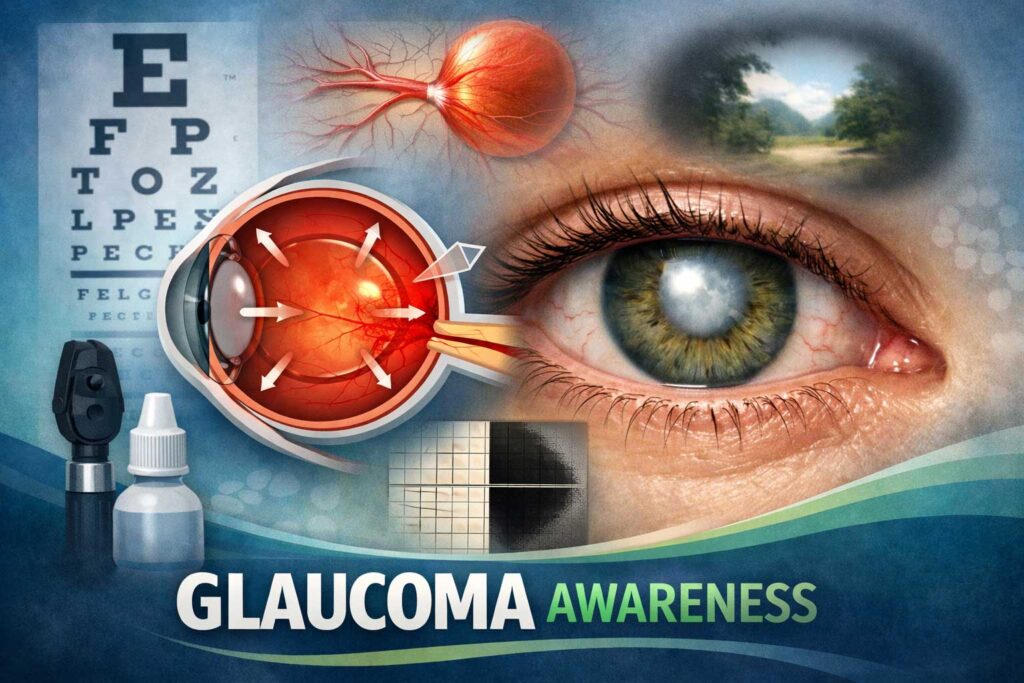
In Nigeria, early glaucoma detection remains one of the country’s most pressing eye-health challenges. Many patients seek care only after noticeable vision loss, limiting treatment effectiveness. In 2025, improving early diagnosis is central to preventing avoidable blindness nationwide.
Late presentation continues to shape glaucoma outcomes across the country.
Growing Glaucoma Burden in Nigeria
The number of glaucoma cases in Nigeria continues to rise, driven by several factors:
-
Rapid population growth
-
Limited routine eye screening
-
Shortage of specialized eye care providers
-
Low awareness of long-term eye diseases
This growing burden places strain on hospitals and community clinics alike.
Barriers to Early Glaucoma Diagnosis
Multiple obstacles delay early glaucoma detection in Nigeria:
-
Limited access to eye clinics in rural areas
-
High out-of-pocket healthcare costs
-
Shortage of ophthalmologists
-
Lack of routine preventive eye exams
These challenges result in diagnosis at advanced stages, when vision loss is often irreversible.
High-Risk Populations Most Affected
Certain groups face higher risks of undetected glaucoma in Nigeria:
-
Adults over age 50
-
Individuals with a family history of glaucoma
-
Patients with hypertension or diabetes
-
Communities with limited healthcare infrastructure
Targeted screening for these populations remains insufficient.
Screening and Diagnostic Capacity
Glaucoma screening in Nigeria is improving slowly but remains uneven. Current trends show:
-
Urban centers have better diagnostic tools
-
Rural regions rely on basic eye exams
-
Limited availability of optic nerve imaging
-
Minimal use of advanced diagnostic technology
Expanding screening capacity is essential for earlier intervention.
Treatment Access After Late Diagnosis
When glaucoma treatment in Nigeria begins late, care often focuses on slowing progression rather than preserving full vision. Patients may depend on:
-
Long-term eye drop therapy
-
Periodic hospital follow-ups
-
Surgical intervention in advanced cases
-
Family support for ongoing care
Late diagnosis increases both medical and financial burdens.
Cost Pressures and Patient Awareness
Glaucoma care costs in Nigeria remain a major barrier to early detection. Expenses include:
-
Diagnostic tests
-
Medications
-
Surgical procedures
-
Transportation to urban hospitals
Understanding global treatment costs can help patients and families plan better.
 Learn about U.K. glaucoma care expenses in 2025.
This comparison highlights how glaucoma care costs differ internationally.
Steps Toward Earlier Detection
To reduce late diagnosis, experts emphasize:
-
Community-based eye screening programs
-
Public education on silent vision loss
-
Training more eye care professionals
-
Integrating eye exams into primary healthcare
Early detection remains the most effective tool against blindness.
Outlook for Nigeria’s Glaucoma Response
Nigeria’s fight against glaucoma-related blindness depends on:
-
Improved nationwide screening
-
Greater public awareness
-
Affordable diagnostic access
-
Long-term healthcare investment
Addressing early detection challenges can dramatically change outcomes for millions.