You need treatment.
But you don’t want surgery.
Is there another way?
For some conditions, yes.
You now have options that don’t involve cutting, stitching, or hospital stays.
Let’s explore how noninvasive procedures can work like surgery—without the surgery.
What Is a Noninvasive Procedure?
It’s a medical treatment that doesn’t break the skin or enter your body.
No scalpels.
No stitches.
No anesthesia in many cases.
Instead, doctors use:
Lasers
Ultrasound
Radio waves
Injections
Focused light or heat
These tools treat tissues inside your body without open surgery.
Why Do People Choose Noninvasive Options?
Surgery comes with:
Pain
Downtime
Risks of infection
Higher costs
Noninvasive treatments offer:
Shorter recovery
Fewer risks
No hospital stay
Lower cost in some cases
It’s not just about comfort—it’s about getting back to your life faster.
Who Can Benefit?
Doctors may recommend noninvasive options for:
Skin tightening
Glaucoma treatment
Tumor reduction
Pain relief
Eye pressure control
Fat reduction
Varicose veins
Always ask if a less invasive route is possible.
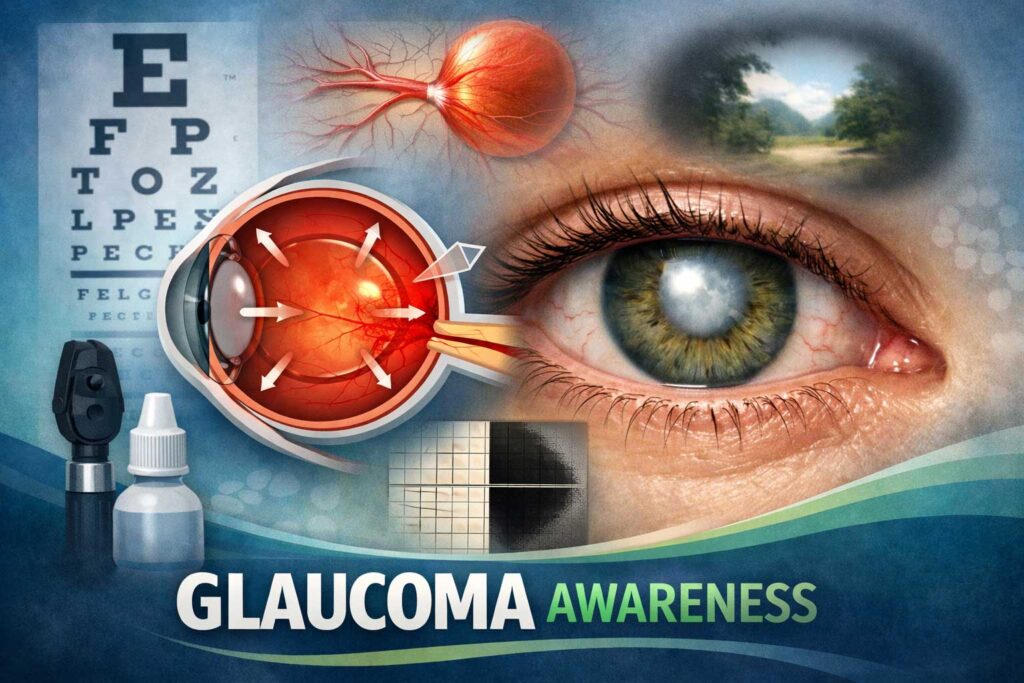
An Example: Glaucoma Laser Treatment
Let’s take glaucoma as a case.
Many patients use daily eye drops to lower eye pressure.
But they may forget doses.
Some get side effects.
Others want to reduce long-term costs.
That’s where a laser procedure called SLT (Selective Laser Trabeculoplasty) helps.
It:
Takes a few minutes
Uses no blade
Has almost no recovery time
Can lower eye pressure for years
You walk in, sit down, and leave soon after.
What About Results?
This is the big question.
Will it work as well as surgery?
In many cases, yes.
Not always the same way—but often enough to skip the operating room.
For example:
SLT lowers eye pressure like daily drops
Ultrasound breaks up kidney stones without cutting skin
Focused ultrasound destroys small tumors without opening the body
Results vary—but real-world data shows strong success rates.
What to Ask Before Choosing
Don’t assume one treatment fits all.
Ask your doctor:
What are the pros and cons of this approach?
How long do the effects last?
Can I repeat it if needed?
What’s the recovery time?
Are there side effects?
Is it covered by insurance?
You need full information to make the right call.
What to Expect During the Procedure
Most of these treatments happen in a clinic, not a hospital.
You might:
Sit or lie still
Wear goggles (for lasers)
Feel heat, pressure, or light pulses
Finish in under an hour
You often go home right after.
Some patients return to work the same day.
Are There Side Effects?
No procedure is completely risk-free.
You may have:
Mild discomfort
Swelling
Redness
Temporary sensitivity
Serious problems are rare, especially when performed by trained specialists.
Always follow aftercare steps your doctor gives you.
What Makes It Different From Surgery?
Here’s the breakdown:
| Feature | Surgery | Noninvasive Procedure |
|---|---|---|
| Skin Cut? | Yes | No |
| Anesthesia Needed? | Usually | Often not |
| Recovery Time | Days to weeks | Hours to days |
| Risk of Infection | Higher | Lower |
| Office or Hospital? | Hospital | Clinic |
What’s the Downside?
These treatments don’t work for everything.
Some conditions still require surgery.
Noninvasive options may need repeating after months or years.
They might cost more out of pocket if not covered.
You have to balance convenience with long-term results.
How to Decide What’s Right for You
Don’t go by ads or trends.
Every body is different.
Every case has context.
Talk to your doctor about:
Your condition
Your lifestyle
Your goals
Your budget
Your tolerance for downtime
The best choice is the one that fits your needs—not someone else’s.
Final Thought
You don’t always need surgery to get results.
Noninvasive treatments offer another way—less pain, less downtime, real impact.
Ask questions.
Explore your options.
Then make a choice that works for you.