50 Years of Ophthalmology Breakthroughs: Experts Reflect on Innovations
Introduction
Over the past five decades, ophthalmology has undergone a profound transformation, reshaping how eye diseases are diagnosed, treated, and prevented. From groundbreaking surgical techniques to advanced diagnostic tools, these innovations have restored and preserved vision for millions worldwide.
In this article, we highlight the most significant breakthroughs in ophthalmology over the last 50 years, as shared by leading experts who reflect on the innovations that have defined modern eye care.
The Evolution of Cataract Surgery
Cataract surgery has experienced some of the most dramatic improvements in the field. Once a risky and invasive procedure, it is now one of the safest and most effective surgeries in medicine.
Key Milestones:
-
1970s – Phacoemulsification: Dr. Charles Kelman introduced ultrasound technology to break up and remove cataracts through a tiny incision, drastically improving safety and recovery time.
-
1980s – Intraocular Lenses (IOLs): IOLs replaced thick cataract glasses, giving patients clearer, more natural vision post-surgery.
-
2000s – Laser-Assisted Cataract Surgery: Femtosecond lasers enhanced precision, reduced complications, and sped up recovery.
Expert Insight: “Phacoemulsification transformed cataract surgery. Recovery dropped from weeks to days, and surgical risks were minimized.” – Dr. Sarah Mitchell, Ophthalmologist.
The Rise of Laser Eye Surgery
Laser vision correction has freed millions from dependence on glasses and contact lenses. The development of LASIK in the 1990s marked a major milestone in refractive surgery.
Breakthroughs in Laser Technology:
-
PRK (Photorefractive Keratectomy, 1995): The first FDA-approved laser procedure for vision correction.
-
LASIK (1999): Improved precision and faster recovery compared to PRK.
-
SMILE (Small Incision Lenticule Extraction, 2010s): A minimally invasive alternative offering quicker recovery and reduced complications.
Expert Insight: “LASIK made refractive surgery mainstream. Today, bladeless techniques like SMILE offer even safer options.” – Dr. Alan Carter, Refractive Surgeon.
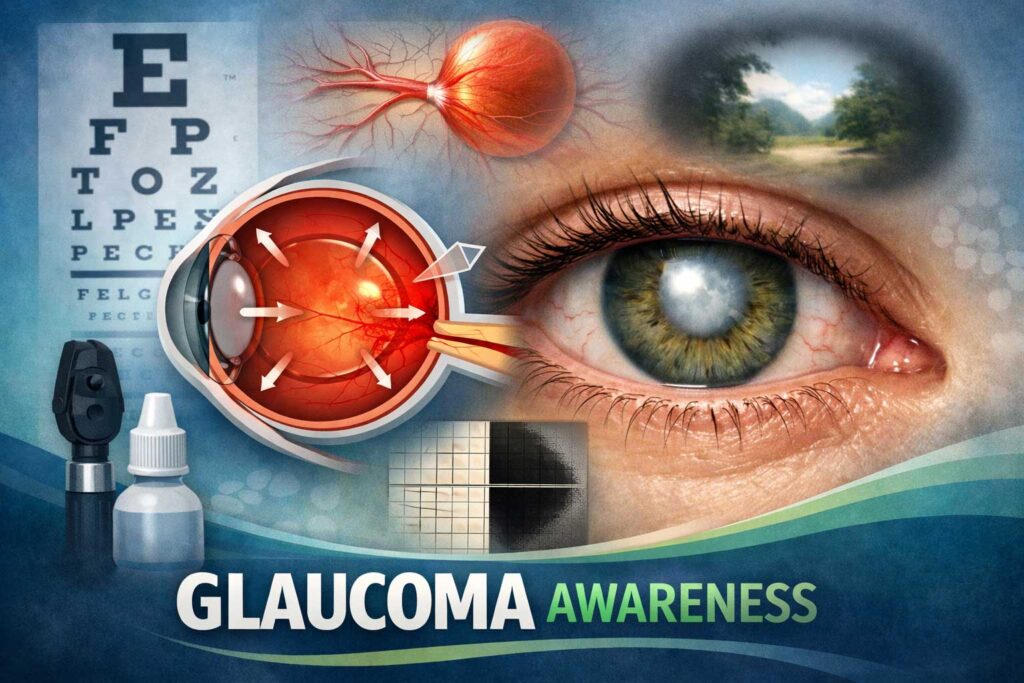
Advances in Glaucoma Treatment
Glaucoma, often called the “silent thief of sight,” has seen major advancements in early detection and treatment, improving outcomes for countless patients.
Key Innovations:
-
1978 – Prostaglandin Analogs: Eye drops that effectively lower intraocular pressure became a first-line treatment.
-
1990s – Trabeculectomy Enhancements: Surgical refinements reduced complications and improved success rates.
-
2010s – Minimally Invasive Glaucoma Surgery (MIGS): Tiny stents and devices, like the iStent, provide safer alternatives to traditional glaucoma surgery.
Expert Insight: “MIGS has been revolutionary. It offers effective pressure control with minimal risk, making treatment accessible to more patients.” – Dr. Emily Tran, Glaucoma Specialist.
Retinal Breakthroughs: Preserving Sight
Retinal diseases, including macular degeneration and diabetic retinopathy, were once untreatable. Today, innovative therapies can preserve and even restore vision.
Landmark Developments:
-
1980s – Laser Photocoagulation: The first effective treatment for diabetic retinopathy.
-
2000s – Anti-VEGF Injections: Drugs such as Lucentis and Eylea halted vision loss in wet AMD.
-
2017 – Gene Therapy (Luxturna): The first FDA-approved gene therapy for inherited retinal diseases.
Expert Insight: “Anti-VEGF therapy changed the outlook for patients. Those who would have lost vision can now maintain functional sight.” – Dr. Robert Chen, Retina Specialist.
Diagnostic Technology: Seeing the Unseen
Modern ophthalmology relies heavily on advanced imaging and AI to detect eye diseases earlier than ever before.
Revolutionary Tools:
-
Optical Coherence Tomography (OCT): High-resolution cross-sections of the retina allow early detection of subtle changes.
-
Corneal Topography: Maps the cornea for precise planning of refractive surgery.
-
AI-Powered Diagnostics: Machine learning algorithms can detect diabetic retinopathy and glaucoma from retinal scans.
Expert Insight: “OCT is like an MRI for the eye—it enables detection of microscopic changes before symptoms appear.” – Dr. Lisa Wong, Diagnostic Specialist.
The Future of Ophthalmology
Emerging technologies promise to continue transforming eye care:
-
Stem Cell Therapy: Potential to regenerate damaged retinal cells.
-
Bionic Eyes: Retinal implants restoring partial vision for the blind.
-
Personalized Medicine: Genetic testing tailoring treatments to each patient’s unique needs.
Expert Insight: “The next 50 years could make blindness a rare condition. Ophthalmology is entering a transformative era.” – Dr. James Park, Vision Researcher.
Conclusion
The past 50 years have redefined ophthalmology, turning once-incurable conditions into manageable ones. From cataract surgery refinements to gene therapy, these innovations have given millions a brighter future.
As technology continues to advance, the next generation of breakthroughs will push the boundaries of what’s possible in eye care. The future of vision has never looked clearer.
Which breakthrough fascinates you the most? Share your thoughts in the comments below!