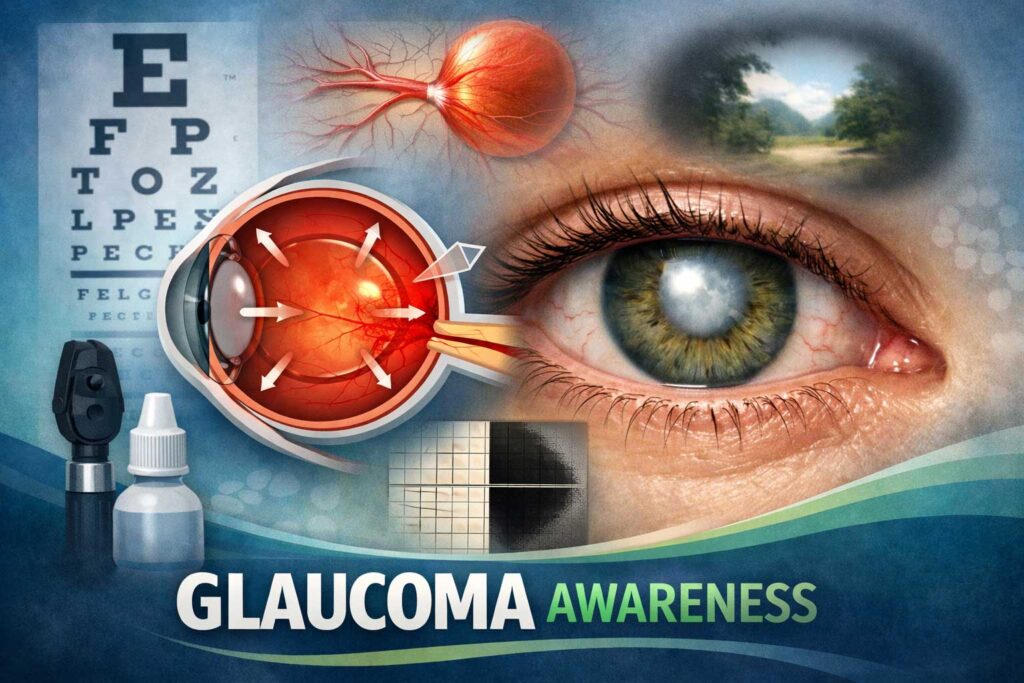
Preservative-Free Glaucoma Drops vs. MIGS: COPHy Insights
Glaucoma management continues to evolve, offering patients treatments that improve efficacy and comfort. At the recent Congress on Controversies in Ophthalmology (COPHy), experts debated the benefits of preservative-free glaucoma drops versus minimally invasive glaucoma surgery (MIGS). Both approaches aim to lower intraocular pressure (IOP) while minimizing side effects—but which is best for your patients?
This article highlights key insights from COPHy, comparing the advantages, limitations, and ideal candidates for these two leading glaucoma treatments.
Understanding Preservative-Free Glaucoma Drops
Preservative-free drops are increasingly preferred as a safer alternative to traditional formulations containing benzalkonium chloride (BAK), a preservative linked to dry eye and ocular surface damage.
Benefits
-
Reduced ocular surface toxicity: Eliminates BAK, lowering risks of irritation, dry eye, and corneal damage.
-
Improved long-term compliance: Patients with sensitive eyes are more likely to adhere to treatment.
-
Comparable efficacy: Studies show similar IOP-lowering effects to preserved drops.
Limitations
-
Higher cost: Often more expensive than preserved formulations.
-
Shorter shelf life: Single-dose vials may be less convenient.
The Rise of MIGS in Glaucoma Treatment
MIGS procedures, including iStent, Hydrus Microstent, and XEN Gel Stent, provide a minimally invasive surgical option with faster recovery and fewer complications than traditional glaucoma surgeries.
Advantages
-
Minimally invasive: Small incisions reduce recovery time and surgical risks.
-
Reduced medication burden: Patients may need fewer—or no—drops after surgery.
-
Effective for mild-to-moderate glaucoma: Ideal for patients needing improved IOP control without aggressive surgery.
Challenges
-
Not suitable for all glaucoma types: May be less effective in advanced cases.
-
Cost and accessibility: Requires specialized training and may not be covered by all insurance plans.
COPHy Debate: Drops vs. MIGS
Experts at COPHy discussed the merits of both approaches.
Key Points for Preservative-Free Drops
-
Non-invasive: No surgical risks, suitable for early-stage glaucoma.
-
Flexible dosing: Easily adjusted based on patient response.
-
Expanding availability: Pharmaceutical companies increasingly focus on preservative-free options.
Key Points for MIGS
-
Long-term cost savings: Reduces reliance on expensive medications over time.
-
Improved adherence: Eliminates the need for daily eye drops.
-
Combination potential: Often performed alongside cataract surgery for enhanced results.
Patient Selection: Who Benefits Most?
Choosing between preservative-free drops and MIGS depends on individual patient needs.
Ideal Candidates for Preservative-Free Drops
-
Patients with ocular surface disease or BAK intolerance.
-
Those with early-stage glaucoma responsive to topical therapy.
-
Individuals who prefer non-surgical treatments.
Ideal Candidates for MIGS
-
Patients with mild-to-moderate glaucoma requiring better IOP control.
-
Individuals undergoing cataract surgery (combined procedures enhance outcomes).
-
Patients struggling with medication adherence.
Future Directions in Glaucoma Management
COPHy highlighted ongoing innovations:
-
Next-generation preservative-free drops: Longer-lasting, more affordable formulations.
-
Advanced MIGS devices: New stents and implants with improved safety and efficacy.
-
Personalized medicine: Genetic and biomarker-guided treatments tailored to individual patients.
Conclusion: A Balanced Approach
The debate between preservative-free glaucoma drops and MIGS emphasizes the importance of individualized care. While drops remain essential for early intervention, MIGS provides a compelling alternative for patients seeking long-term solutions with fewer medications.
Ophthalmologists must weigh efficacy, cost, and patient preferences to optimize glaucoma management. Insights from COPHy demonstrate that both approaches play a vital role in preserving vision and improving quality of life.
Stay informed about the latest glaucoma treatments by following COPHy and leading ophthalmic journals—the best therapy is always the one tailored to your patient’s unique needs.