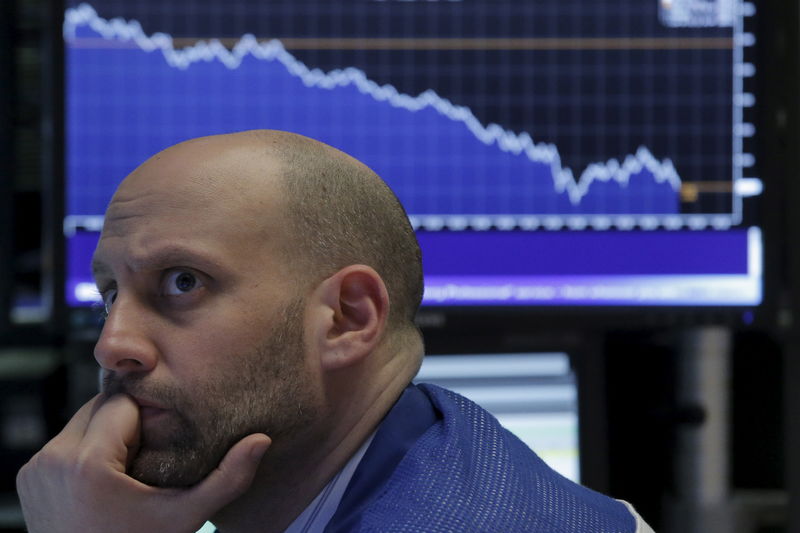
Viridian Stock Crashes 34% After Eye Drug Efficacy Disappoints
The brutal reality of biotech investing was on full display this week as Viridian Therapeutics saw its stock price plunge by a staggering 34% in a single day. The catalyst? Clinical trial results for its promising eye disease drug, VRDN-001, which delivered a paradoxical blow: it succeeded in its primary trial goals but failed to demonstrate the level of efficacy investors had eagerly priced into the stock. This event serves as a stark reminder that in the high-stakes world of drug development, meeting statistical endpoints is only one part of the battle; commercial expectations and competitive benchmarks can be just as unforgiving.
A Tale of Two Outcomes: Trial Success vs. Market Expectations
Viridian’s drug, VRDN-001, is being developed to treat Thyroid Eye Disease (TED), a painful and potentially vision-threatening autoimmune condition. The company announced that its Phase 1/2 trial successfully met its primary and key secondary endpoints, showing a statistically significant reduction in proptosis (bulging of the eye) compared to a placebo.
On the surface, this is positive news. However, the devil—and the resulting stock market rout—was in the details. The efficacy data, while statistically valid, appeared to lag behind the high bar set by established competitors already in the market.
The Shadow of a Giant: Tepezza’s Dominance
The TED treatment landscape is currently dominated by Horizon Therapeutics’ blockbuster drug, Tepezza (teprotumumab). Analysts and investors were hoping VRDN-001 would show comparable or superior efficacy to justify its place in the market. The data released, however, suggested a more modest effect.
Key concerns that emerged from the data include:
- Magnitude of Response: The reduction in eye bulging, while significant, was not as pronounced as the dramatic results seen in Tepezza’s landmark trials.
- Speed of Onset: How quickly the drug works is a critical factor for patients and physicians. Early reads indicated VRDN-001’s effects may not be as rapid.
- Commercial Viability: In a market with a proven, potent therapy, a new entrant must offer clear advantages—be it superior efficacy, better safety, easier administration, or lower cost. The initial data cast doubt on VRDN-001’s ability to claim a decisive edge on the efficacy front.
Why the Market Reacted So Severely
A 34% single-day drop is catastrophic for shareholders. This violent reaction can be attributed to several interconnected factors:
1. The “Priced to Perfection” Phenomenon
Biotech stocks, especially those in late-stage development, often trade on future potential rather than current earnings. Viridian’s valuation had incorporated expectations of a home-run drug that could challenge Tepezza. When the data fell short of those lofty expectations, the valuation model collapsed, leading to a swift and severe repricing.
2. The Competitive Moat Just Got Wider
Tepezza isn’t standing still. Horizon Therapeutics (now part of Amgen) has a formidable commercial machine and deep experience in the TED space. For Viridian to capture meaningful market share, it needed knockout data. The results, instead, may have reinforced Tepezza’s position as the undisputed first-line therapy.
3. Increased Risk and Uncertainty
While the trial was successful, the nuanced data raises new questions:
- Will these results hold up in larger, longer Phase 3 trials?
- Can the drug find a niche, perhaps as a secondary option for patients who don’t respond to Tepezza?
- Will the company need to adjust its dosing or trial design?
Each unanswered question adds a layer of risk, which investors detest. Uncertainty is the enemy of a high-flying biotech stock.
Broader Lessons for Biotech Investors
The Viridian story is not an isolated incident. It’s a classic case study in the volatility of the pharmaceutical sector. Here are key takeaways for investors navigating this complex space:
- Distinguish Between Statistical and Commercial Success: A trial can hit its p-value target (p<0.05) and still be a commercial disappointment if the effect size isn’t compelling enough to change medical practice.
- Know the Competitive Landscape: Always evaluate new drug data against the current standard of care. Being “better than placebo” is the regulatory hurdle; being “competitive with the market leader” is the commercial one.
- Beware of Binary Events: Drug trial readouts are binary events for stock prices. The outcome is often a dramatic up or down move. Portfolio positioning and risk management around these catalysts are crucial.
- Management’s Spin vs. Hard Data: Companies will naturally frame results in the most positive light. It is essential for investors to read between the lines of press releases and scrutinize the actual data presented in charts and tables.
What’s Next for Viridian and VRDN-001?
All is not necessarily lost for Viridian. The path forward, however, has become significantly steeper.
The company is proceeding with its Phase 3 THRIVE program. Larger trials may provide more robust data and potentially identify patient subgroups that respond exceptionally well to VRDN-001. The drug’s safety profile and dosing convenience (it’s a subcutaneous injection) could still be differentiating factors if efficacy is deemed “good enough.”
Strategically, Viridian might now be viewed more as a potential acquisition target for a larger pharmaceutical company seeking to build a portfolio in ophthalmology or autoimmune diseases, rather than as a standalone challenger to Tepezza.
Conclusion: A Harsh Reminder of Biotech’s High-Wire Act
The dramatic crash of Viridian’s stock is a sobering event that underscores the immense risk and reward inherent in biotechnology investing. It highlights the fine line between clinical success and commercial failure. For patients with Thyroid Eye Disease, more treatment options are always welcome, and VRDN-001’s journey is not over. But for the market, the message was clear: in the race to treat disease, coming in second place—even with a scientifically valid drug—can be a very costly outcome. Investors are now forced to recalibrate their expectations, while Viridian must prove in its pivotal trials that its drug has a compelling role to play in a market that already has a champion.