Applying Mascara Revealed a Hidden Brain Tumor Symptom
In the quiet, familiar routine of a morning beauty ritual, a life-altering discovery can sometimes lurk. For one woman, the simple, daily act of applying mascara became the unexpected key to diagnosing a serious medical condition: a brain tumor. This isn’t a story about cosmetics, but about bodily awareness and the critical importance of listening to the subtle, often dismissed signals our bodies send us. Her experience underscores a vital health lesson: a sudden change in a basic physical function, no matter how small it seems, can be a significant red flag.
The Moment of Realization: A Eyelash That Wouldn’t Cooperate
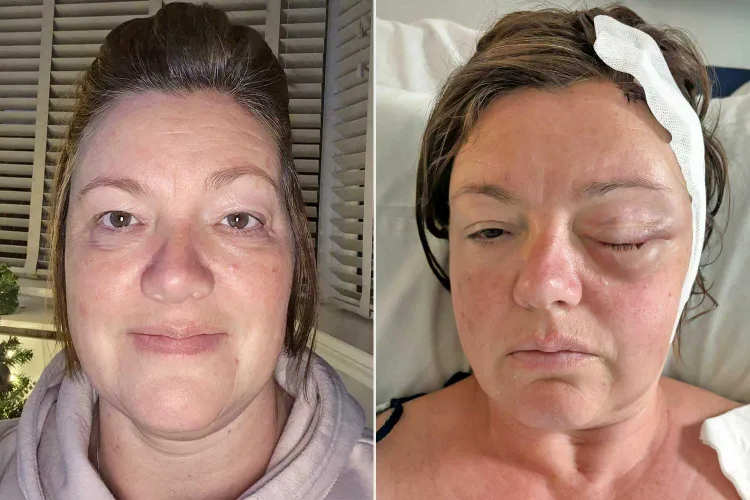
The story, as reported, centers on a woman who noticed something was persistently wrong every time she went to put on her mascara. As she looked into the mirror and raised her hand to her eyelashes, she encountered a frustrating and puzzling obstacle. One of her eyelids would not open fully. This wasn’t a temporary morning grogginess; it was a consistent, one-sided drooping known as ptosis.
At first, it might be easy to dismiss such a symptom. Fatigue, allergies, or even a minor nerve irritation could be blamed. However, the persistence and unilateral nature (affecting only one eye) raised concern. This ptosis was more than a cosmetic nuisance; it was a neurological sign. The muscle responsible for lifting the eyelid, the levator palpebrae superioris, is controlled by a cranial nerve. Weakness in this muscle often points to an issue somewhere along the nerve’s pathway—and sometimes, that pathway leads directly to the brain.
From Beauty Counter to Doctor’s Office: Connecting the Dots
To her credit, the woman did not ignore this change. She sought medical advice, setting in motion a diagnostic journey. The isolated eyelid droop was the most visible clue, but upon further investigation, it was likely part of a larger constellation of symptoms that may have included:
- Subtle vision changes like blurring or double vision (diplopia).
- A slight change in pupil size between the two eyes.
- A general feeling of weakness or numbness on one side of the face.
- Unexplained headaches that differed from past experiences.
These symptoms collectively can indicate pressure on or damage to the oculomotor nerve (the third cranial nerve), which controls most of the eye’s movements, including eyelid elevation. Imaging tests, such as an MRI or CT scan, ultimately revealed the underlying cause: a brain tumor. The growth was positioned in a way that it was impinging on the nerve, leading to the malfunction that first manifested in the bathroom mirror.
Why This Story Matters: It’s About Bodily Awareness
This narrative is powerful because it demystifies a complex medical event through a universally relatable action. It shifts the focus from high-tech diagnostics to fundamental self-awareness. We are all experts on our own bodies’ normal functions. The critical step is recognizing and acting upon a deviation from that personal baseline.
Neurological symptoms can be notoriously vague and easy to attribute to stress or aging. A droopy eyelid, occasional double vision, or a persistent strange headache can be brushed aside. This woman’s story is a potent reminder that these signals are worth investigating, especially when they are:
- New and Persistent: A symptom that appears and does not go away.
- Progressive: A symptom that gradually gets worse over time.
- One-Sided (Unilateral): Many neurological issues affect only one side of the body.
Understanding Ptosis and Neurological Red Flags
Ptosis itself has many causes, ranging from benign (like aging of the tendon) to serious. The type that serves as a neurological red flag is often acquired ptosis—meaning it develops later in life—and is accompanied by other signs. When ptosis is related to a brain tumor or other neurological issue, it’s because the nerve signal is being interrupted.
It’s crucial to understand that the vast majority of ptosis cases are not due to brain tumors. However, any sudden onset of drooping eyelid, especially in an adult, warrants a medical evaluation to rule out serious causes. A doctor will perform a neurological exam, checking eye movements, pupil reaction, and facial strength.
Other “Hidden in Plain Sight” Symptoms
Just as mascara application revealed a clue, other everyday activities can spotlight neurological changes:
- Brushing Teeth: Noticing a slight smile asymmetry or dribbling water from one side of the mouth.
- Typing or Writing: Developing a sudden clumsiness or weakness in one hand.
- Walking: Consistently bumping into objects on one side or a feeling of unsteadiness.
- Listening to Music: Perceiving sounds as muffled or different in one ear.
The Takeaway: Be Your Own Health Advocate
The ultimate message from this woman’s ordeal is one of empowerment and proactive care. She noticed a change, trusted her instinct that something was wrong, and pursued an answer. Her vigilance likely played a crucial role in her subsequent treatment journey.
Do not dismiss persistent, one-sided changes in your vision, facial control, or strength. Schedule an appointment with your primary care physician or a neurologist. Be prepared to describe exactly what you are experiencing, when it started, and what makes it better or worse. Your detailed observation is the first and most critical piece of the diagnostic puzzle.
While the link between a mascara wand and a brain tumor diagnosis is extraordinary, the underlying principle is universal. Our daily routines are a mirror into our well-being. By paying close attention to the reflection—both in the glass and in our physical sensations—we can become the first and most important detectors of our own health. Listen to your body; sometimes, it speaks in whispers long before it needs to shout.