Protect Your Vision: 5 Daily Habits That Harm Your Eye Health
We often think of our eyes as windows to the world, but do we treat them with the care they deserve? In our fast-paced, screen-dominated lives, it’s easy to take our vision for granted, assuming it will simply endure whatever we throw at it. Yet, many of our daily routines—habits so ingrained we barely notice them—are silently contributing to digital eye strain, accelerated aging, and long-term damage. It’s time for a closer look at the everyday choices that could be clouding your future sight.
The Silent Strain: How Modern Life Taxes Our Eyes
Our eyes are remarkable, complex organs, but they evolved in a very different world. Today, they are subjected to prolonged focus on nearby objects, exposure to high-energy visible light, and environmental pollutants. This constant assault can lead to a host of issues, from the temporary discomfort of dry, itchy eyes to the increased risk of serious conditions like age-related macular degeneration (AMD) and cataracts. The good news? By identifying and adjusting a few key habits, we can take powerful steps to protect our precious vision.
1. The Endless Screen Stare
This is the habit of our era. Whether for work, socializing, or entertainment, the average person spends over seven hours a day looking at a digital screen. This behavior forces our eyes into a sustained, intense focus at a fixed distance, drastically reducing our blink rate. Normally, we blink about 15-20 times per minute, but this can drop to just 5-7 times during screen use.
The consequences are immediate and cumulative:
- Digital Eye Strain (Computer Vision Syndrome): Symptoms include headaches, blurred vision, dry eyes, and neck/shoulder pain.
- Chronic Dry Eye: Infrequent blinking fails to spread a fresh layer of tears, leading to irritation and inflammation of the ocular surface.
- Sleep Disruption: The blue light emitted from screens can suppress melatonin production, throwing off your circadian rhythm and sleep quality, which is essential for overall eye repair.
2. Skipping the Sunglasses (Or Choosing the Wrong Pair)
Many people see sunglasses as a fashion accessory or a comfort item for bright days. In reality, they are a critical piece of protective equipment. Ultraviolet (UV) radiation from the sun is a proven contributor to significant eye diseases.
Prolonged, unprotected UV exposure is directly linked to:
- Cataracts: UV rays accelerate the clouding of the eye’s natural lens.
- Macular Degeneration: UV can damage the sensitive macula, the part of the retina responsible for central vision.
- Photokeratitis: Essentially a sunburn of the eye’s surface, causing painful, temporary vision loss.
The habit of only wearing sunglasses in summer or opting for cheap, non-UV-blocking styles leaves your eyes vulnerable. UV rays are present year-round and can penetrate clouds.
3. Rubbing Your Eyes
It’s an almost automatic response to fatigue, itchiness from allergies, or the feeling of something in your eye. However, this gentle-seeming habit can be surprisingly harmful.
- Micro-Scratches: Rubbing can grind tiny particles on the surface of your eye into the cornea, causing scratches.
- Worsened Allergies: Rubbing releases more histamines, the chemicals that cause allergic reactions, making the itch worse.
- Risk of Keratoconus: Chronic, vigorous rubbing can thin and distort the cornea over time, leading to this serious condition that impairs vision.
- Infection: Your hands are covered in germs. Rubbing is a direct pathway for bacteria and viruses to cause conjunctivitis (pink eye) or other infections.
4. Neglecting a Nutrient-Rich Diet
We often associate diet with heart health or weight, but our eyes have specific nutritional needs. A daily habit of consuming processed foods high in sugar and unhealthy fats, while lacking in key vitamins and antioxidants, starves your eyes of the building blocks they need to defend themselves and function optimally.
Essential nutrients for eye health include:
- Lutein & Zeaxanthin: These carotenoids act as natural sunglasses, filtering harmful blue light. Find them in leafy greens (kale, spinach), corn, and eggs.
- Vitamin C & E: Powerful antioxidants that help protect cells from damage. Sources include citrus fruits, berries, nuts, and seeds.
- Omega-3 Fatty Acids: Crucial for the health of the retina and for supporting the oily layer of your tears to prevent dry eye. Found in fatty fish (salmon, tuna), flaxseeds, and walnuts.
- Zinc: Helps transport Vitamin A from the liver to the retina to produce melanin, a protective pigment. Present in oysters, beef, and pumpkin seeds.
5. Forgetting Your Eyes Need a Check-Up, Too
Just as you schedule dental cleanings and physicals, comprehensive eye exams should be a non-negotiable part of your health routine. The habit of only visiting an eye doctor when you notice a problem is a dangerous one. Many sight-threatening conditions, like glaucoma, diabetic retinopathy, and even some cancers, develop slowly and without early symptoms.
A regular comprehensive eye exam does more than update your glasses prescription. It allows an optometrist or ophthalmologist to:
- Detect eye diseases in their earliest, most treatable stages.
- Identify signs of systemic health issues like high blood pressure, diabetes, and high cholesterol.
- Provide personalized advice based on your family history, lifestyle, and current eye health.
Adults with no known risk factors should have a baseline exam at 40, with follow-ups as recommended. Those with risk factors (family history, diabetes, high prescription) need them more frequently.
Building a Vision-Healthy Routine
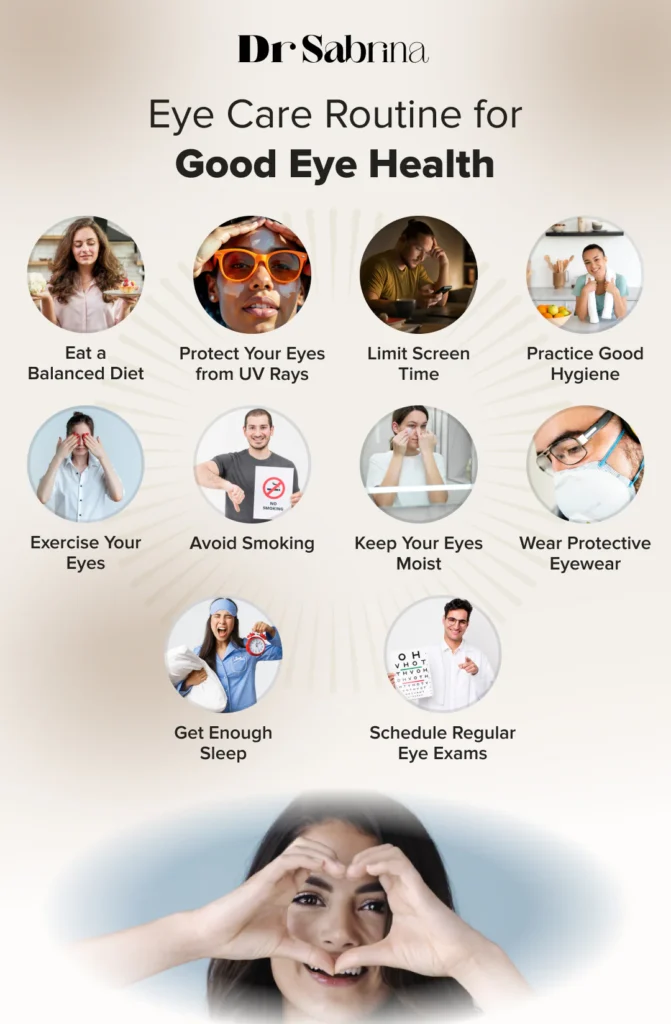
Breaking bad habits starts with building better ones. Integrate these simple practices into your daily life:
Embrace the 20-20-20 Rule:
Every 20 minutes, look at something 20 feet away for at least 20 seconds. This resets your focusing muscle and encourages blinking.
Wear Quality Sunglasses Year-Round:
Choose pairs that block 100% of UVA and UVB rays. Wraparound styles offer the best protection from peripheral light.
Practice Smart Screen Hygiene:
- Position your screen so the top is at or slightly below eye level, about an arm’s length away.
- Use matte screen filters and adjust brightness to match your ambient lighting.
- Consider blue-light filtering glasses if you have extensive digital exposure, though their benefits are most pronounced for sleep quality.
Hydrate and Nourish:
Drink plenty of water and make colorful fruits, vegetables, and healthy fats a staple on your plate.
Schedule That Exam:
Mark your calendar for a comprehensive eye exam. It is an investment in your long-term quality of life.
Our eyes are irreplaceable. By bringing conscious attention to these five daily habits, we can move from taking our vision for granted to actively safeguarding it. The steps are simple, but their impact is profound—ensuring that the windows to your world remain clear and bright for all the years to come. Start protecting your vision today; your future self will thank you.