Free Diabetic Eye Screenings in Philadelphia This Weekend: Protect Your Vision
Did you know that diabetes is the leading cause of blindness in adults under the age of 74? For millions of Americans living with diabetes, this is a serious warning. Vision loss is a real risk—but the good news is that it is often preventable with early detection and treatment.
This weekend, residents in and around Philadelphia have a valuable opportunity to take action for their eye health. As highlighted by CBS News Philadelphia, free diabetic eye screenings are being offered to the public.
Whether you have had diabetes for years or were recently diagnosed, this event could be an important step in protecting your vision.
Why Diabetic Eye Screenings Matter
Diabetes affects many parts of the body, including the eyes. It can lead to a group of conditions known as diabetic eye disease, with the most common being diabetic retinopathy. This happens when high blood sugar damages the tiny blood vessels in the retina.
The Silent Risk
One of the most dangerous things about diabetic retinopathy is that it often has no early symptoms. You may still see clearly while damage is already happening.
By the time vision changes appear, the condition may already be advanced. This is why regular eye screenings are essential.
- Early detection helps prevent vision loss
- Treatment works best in early stages
- Screenings can also detect glaucoma and cataracts
What to Expect at the Free Screenings
The screening event is designed to be simple, fast, and accessible. No referral or insurance is needed.
Easy Screening Process
- Registration: Basic health and diabetes information
- Vision Test: Simple check of your eyesight
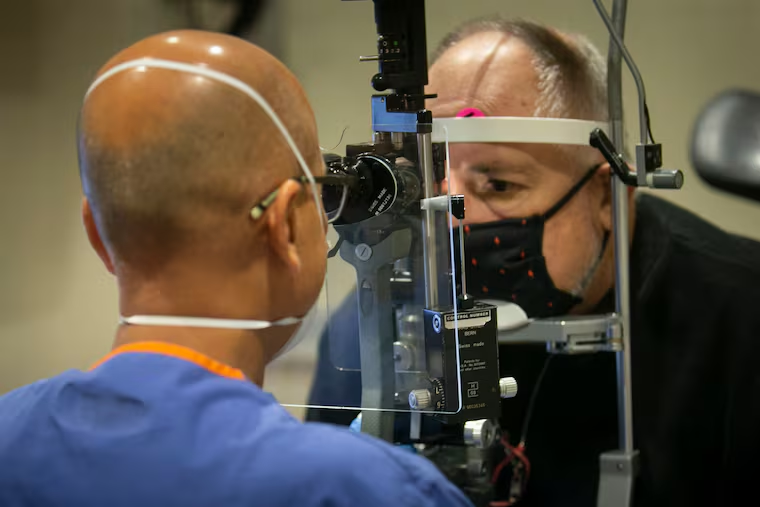
- Eye Dilation: Drops are used to widen pupils
- Retinal Imaging: Photos of the back of the eye are taken
- Consultation: A specialist reviews results and explains next steps
If any issues are found, patients receive immediate guidance.
Who Should Attend
This event is mainly for people living with diabetes, but others at risk are also encouraged to attend:
- People with Type 1 or Type 2 diabetes
- Individuals with prediabetes or risk factors
- Those who haven’t had an eye exam in over a year
- Anyone experiencing vision changes like blurriness or floaters
How Diabetes Affects the Eyes
High blood sugar can damage the small blood vessels in the retina. Over time, these vessels can leak or close, reducing blood flow.
In severe cases, the eye tries to grow new blood vessels. These are weak and can bleed easily, leading to serious vision loss. This advanced stage is known as proliferative diabetic retinopathy.
Key Facts
- 1 in 11 Americans has diabetes
- 1 in 3 people with diabetes over age 40 have some form of eye disease
- Up to 90% of diabetes-related vision loss is preventable
These numbers show why early screening is so important.
Protecting Your Eye Health Long-Term
A screening is only the first step. Managing diabetes is key to protecting your vision.
1. Control Blood Sugar
Keeping blood sugar levels stable reduces eye damage risk.
2. Manage Blood Pressure and Cholesterol
Healthy levels help protect blood vessels in the eyes.
3. Get Annual Eye Exams
Regular dilated eye exams are essential, even if screening results are normal.
4. Eat Healthy
Foods like leafy greens, fish, and fruits support eye health.
Don’t Let Fear Stop You
Many people avoid eye exams due to fear, cost, or uncertainty. But this event removes those barriers—it is free and open to everyone.
Doctors and volunteers are there to help, not judge. Whether your diabetes is well-managed or not, you are welcome.
Event Details
- Event: Free Diabetic Eye Screenings
- Location: Philadelphia area (check local listings for exact site)
- Time: Morning to early afternoon
- Cost: Free (no insurance required)
Walk-ins are welcome, but early arrival is recommended.
Your Vision Matters
Managing diabetes is already a daily challenge, but your eyesight is worth protecting.
This free screening is a simple step that could make a big difference. In just one visit, you can learn the current state of your eye health and take action if needed.
Your future vision is worth it.