Your Eyes Might Predict Chronic Disease, New AI Study Finds
Imagine going for a routine eye exam and instead of just getting a new prescription for glasses, your doctor tells you that you may be at risk for heart disease, diabetes, or even kidney failure—years before any symptoms appear.
It sounds like science fiction, but according to a groundbreaking study published in Nature Medicine, this future may already be taking shape.
Researchers have discovered that artificial intelligence (AI) can analyze standard retinal images to detect early warning signs of multiple chronic diseases. This finding, highlighted by U.S. News & World Report, shows that your eyes may truly reflect your overall health.
The Science Behind the “Eye-Warning” System
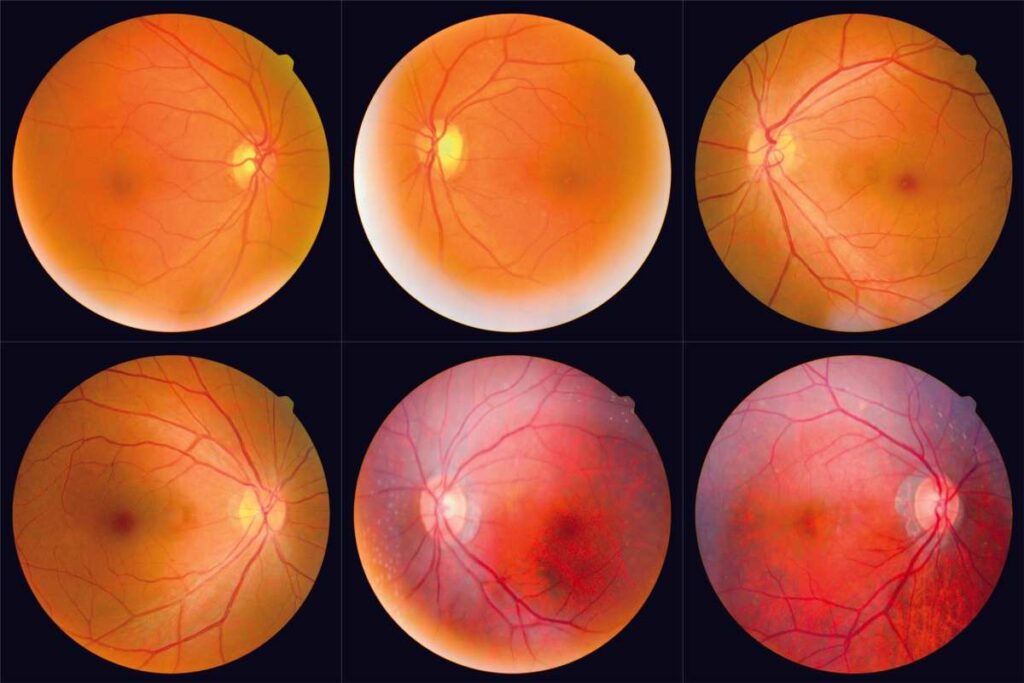
The study, titled “Retinal Imaging as a Biomarker for Systemic Disease Risk,” analyzed over 100,000 retinal images. Researchers used deep learning AI to detect subtle patterns in blood vessels, the optic nerve, and the macula that are not visible to the human eye.
The results were impressive. The AI could predict the risk of:
- Type 2 diabetes with over 80% accuracy
- High blood pressure with around 75% accuracy
- Early signs of chronic kidney disease
- Heart failure risk based on microvascular changes
The main idea is that the retina is directly connected to the body’s central nervous system and shares similar blood vessel structures. Because of this, changes in the body often appear in the eyes first.
Why the Retina is So Important
The retina is unique because it is the only part of the body where doctors can directly observe blood vessels and nerve tissue without surgery.
Key reasons retinal imaging is powerful:
- It reflects brain and nervous system health
- Blood vessel changes can signal blood pressure and kidney issues
- Early damage can be detected before vision problems appear
- The test is quick, non-invasive, and widely available
How AI Is Transforming Eye Exams
Traditional eye exams rely on doctors spotting visible signs of disease. AI, however, can detect much smaller changes that humans might miss.
The deep learning system in the study was trained to recognize early biomarkers—tiny patterns that suggest future disease risk.
For example, the AI found that patients who later developed heart failure often had twisted or “tortuous” blood vessels in the retina. While these may seem normal to a human eye doctor, the AI identified them as a warning sign.
Beyond Eye Health: Predicting Whole-Body Disease
One of the most exciting findings is that retinal images can reflect overall body health, not just eye conditions.
The AI was able to link retinal patterns to:
- Cardiovascular disease through changes in artery structure
- Metabolic disorders through variations in retinal color and texture
- Neurodegenerative diseases, including early signs of Alzheimer’s
This supports the idea that the eye acts as a mirror of internal health and aging.
What This Could Mean for Future Checkups
In the future, a routine eye exam could become a powerful health screening tool.
A typical process might look like this:
- A patient looks into a retinal camera for a few seconds
- AI analyzes the image instantly
- The doctor receives a risk report for major diseases
- Early lifestyle changes or referrals are recommended
This could allow diseases to be detected years before symptoms appear.
Accessibility and Cost Benefits
One of the biggest advantages of this technology is affordability.
Retinal scans are already relatively inexpensive compared to blood tests or imaging scans. They can also be used in:
- Pharmacies and clinics
- Mobile health units
- Rural or underserved communities
- Workplace health programs
This makes AI-powered eye screening a promising tool for improving global healthcare access.
Limitations and Ethical Concerns
Despite the promising results, experts warn that there are limitations.
Some concerns include:
- False positives that may cause unnecessary stress
- Data bias if AI is not trained on diverse populations
- Privacy risks involving sensitive health data
- Over-reliance on AI instead of medical professionals
Experts stress that AI should support doctors, not replace them.
Dr. Elena Vasquez of the University of California, San Francisco, emphasized that this is not a diagnosis, but a risk assessment tool.
The Road Ahead
The research has already attracted attention from healthcare and tech companies.
Expected timeline:
- 1–2 years: Larger clinical trials across diverse populations
- 3–5 years: Possible regulatory approval for clinical use
- 5–10 years: Integration into routine health checkups
Insurance companies are also exploring whether early detection through eye scans could reduce long-term healthcare costs.
Conclusion: Looking Into the Future Through Your Eyes
This study shows how combining medicine and artificial intelligence can transform preventive healthcare.
The idea is simple: your eyes may reveal what is happening inside your body long before symptoms appear.
Chronic diseases like diabetes and heart disease often develop silently. By the time they are noticed, damage may already be done.
A simple eye scan could one day help detect these risks early—possibly saving both vision and life.
A 30-second retinal scan may one day reveal more about your health than you ever imagined.