Is Under-Eye Puffiness a Warning Sign of Kidney Disease? Expert Explains
We’ve all experienced it—waking up after a late night or a salty meal and noticing puffiness under the eyes. Most of the time, it’s harmless and temporary. A cold spoon, cucumber slices, or a good night’s sleep usually fixes it.
But what if the puffiness doesn’t go away? What if it becomes part of your daily routine?
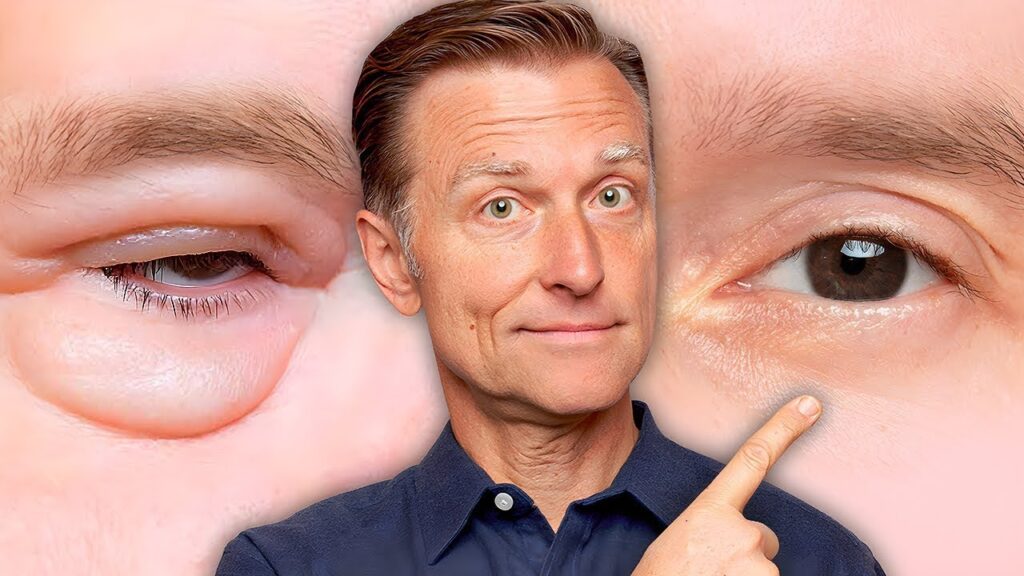
According to health experts, persistent under-eye puffiness—medically called periorbital edema—can sometimes signal an underlying issue, including kidney dysfunction. While it’s not a diagnosis on its own, it’s a symptom that shouldn’t be ignored.
What Causes Under-Eye Puffiness?
The skin under your eyes is extremely thin—less than one millimeter thick—and surrounded by delicate blood vessels and lymphatic channels. This makes it especially prone to swelling.
Common and harmless causes include:
- High salt intake – Leads to fluid retention
- Allergies – Cause inflammation and swelling
- Lack of sleep – Affects circulation and fluid balance
- Aging – Weakens tissues, allowing fluid to settle
- Genetics – Some people are naturally prone to puffiness
However, if the swelling is persistent, affects both eyes, and appears with other symptoms, it may point to something more serious.
How Are the Kidneys Involved?
Your kidneys act as the body’s filtration system, processing about 120 to 150 quarts of blood daily. They remove waste and excess fluid.
When kidney function is impaired, fluid builds up in the body—a condition known as edema.
The area under the eyes is often one of the first places this fluid appears because the skin is thin and the tissue is loose. This results in periorbital edema, a known sign of certain kidney conditions.
How It Happens
- Protein loss: Damaged kidneys leak protein (albumin) into urine. Without enough albumin, fluid escapes into tissues.
- Fluid retention: Kidneys struggle to remove sodium, causing water buildup.
- Inflammation: Increases capillary leakage, allowing fluid to collect under the skin.
The Key Warning Sign: Persistence
The biggest difference between harmless puffiness and a medical issue is how long it lasts.
- Temporary puffiness that fades during the day is usually harmless
- Persistent swelling that lasts all day or worsens over time needs attention
Expert Insights: Symptoms to Watch For
Doctors emphasize that under-eye puffiness alone rarely indicates kidney disease. It usually appears alongside other symptoms.
Watch for:
- Swelling in the ankles, feet, or legs
- Foamy or bubbly urine (a sign of protein loss)
- Frequent urination, especially at night
- Dark or bloody urine
- Fatigue or weakness
- High blood pressure
- Shortness of breath
Also important: puffiness in both eyes (bilateral) is more concerning than swelling in just one eye, which is often caused by local issues like infection or allergies.
Kidney Conditions Linked to Eye Puffiness
Several kidney disorders can cause facial swelling:
1. Nephrotic Syndrome
A condition where the kidneys leak large amounts of protein. Puffiness around the eyes is often an early sign, especially in children.
2. Glomerulonephritis
Inflammation of the kidney’s filtering units. Symptoms include facial swelling, dark urine, and high blood pressure.
3. Chronic Kidney Disease (CKD)
In later stages, fluid buildup becomes more visible. Puffiness is often combined with swelling in the legs and fatigue.
4. Acute Kidney Injury (AKI)
A sudden loss of kidney function. Swelling can appear quickly and become severe.
When Should You See a Doctor?
If under-eye puffiness doesn’t improve with rest, hydration, or reduced salt intake, it’s worth getting checked.
Doctors may recommend:
- Urinalysis – Detects protein or blood
- Blood tests (creatinine, BUN) – Measure kidney function
- eGFR test – Estimates filtration efficiency
- Blood pressure check
- Ultrasound imaging
Can Lifestyle Changes Help?
While lifestyle changes can’t cure kidney disease, they can help reduce puffiness and support overall kidney health.
Try:
- Lowering sodium intake (ideally below 2,300 mg daily)
- Staying well hydrated
- Sleeping with your head elevated
- Using cold compresses
- Avoiding smoking and limiting alcohol
If you’re diagnosed with kidney disease, follow a doctor-guided diet—never self-restrict nutrients without medical advice.
The Bottom Line
Under-eye puffiness is easy to ignore. It’s common, often harmless, and usually temporary.
But when it becomes persistent, affects both eyes, and appears with other symptoms, it may be a sign that your kidneys are under stress.
The good news: early detection makes a big difference. Simple tests can quickly identify potential problems.
So if puffiness doesn’t go away, don’t dismiss it. Take a closer look—it might be your body asking for attention.
Sometimes, a small change in the mirror can reveal something much bigger.