Glaucoma Cases in the Philippines Continue to Rise
Glaucoma remains one of the top causes of permanent blindness in the Philippines. What makes it dangerous is simple. Most people do not notice symptoms until vision damage has already started.
Many Filipinos only visit an eye doctor after they struggle to read, drive, or recognize faces clearly. By that stage, vision loss may no longer be reversible.
If you are over 40, have diabetes, or have relatives with glaucoma, regular eye screening matters more than you think.
How Common is Glaucoma in the Philippines?
More than 1 million Filipinos are believed to have glaucoma. The problem is that many do not know they already have it.
Local eye specialists report that almost half of glaucoma cases remain undiagnosed. Patients often discover the disease late because early glaucoma rarely causes pain or obvious symptoms.
In many clinics across the country, doctors still see patients arriving with severe vision loss that could have been prevented through routine screening.
Glaucoma is now considered one of the leading causes of blindness among Filipinos.
The condition affects people from different age groups, though the risk becomes higher as you get older.
Why Glaucoma is Dangerous
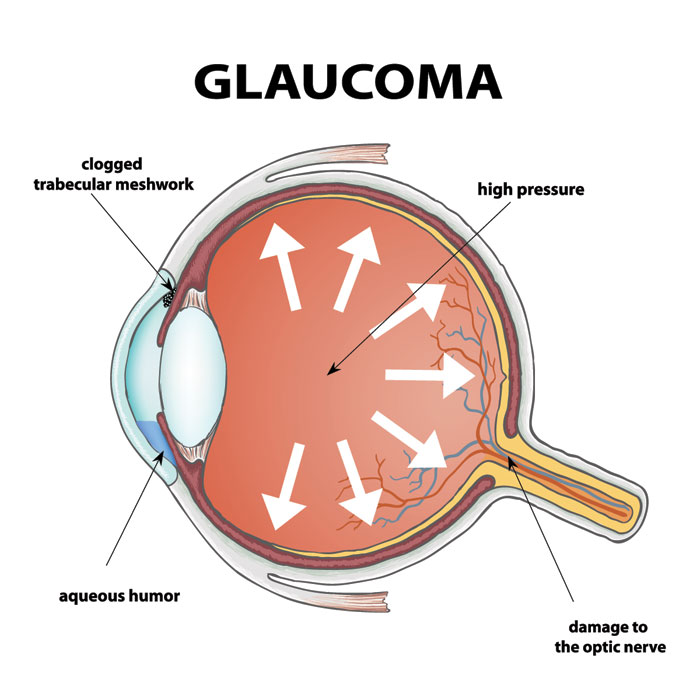
Glaucoma damages the optic nerve. This nerve sends visual signals from your eyes to your brain.
Once the nerve becomes damaged, the lost vision cannot return.
The scary part is this:
- Many people feel completely normal during the early stage.
- Vision loss starts slowly from the side view.
- The brain adjusts, making the damage harder to notice.
- Central vision may stay clear until later stages.
You might still read messages on your phone while already losing peripheral vision.
That is why glaucoma is often called the “silent thief of sight.”
Who Faces Higher Risk?
Some Filipinos face a much higher chance of developing glaucoma.
You should be extra careful if you belong to these groups:
- Adults over 40 years old
- People with family members diagnosed with glaucoma
- Patients with diabetes
- People with high blood pressure
- Individuals with severe nearsightedness
- Long-term steroid users
- People with previous eye injuries
Many patients ignore screening because they think clear eyesight means healthy eyes.
That assumption causes delays in diagnosis.
Have your parents or siblings ever been diagnosed with glaucoma?
If yes, your risk may be several times higher.
Common Types of Glaucoma Seen in the Philippines
Primary Open-Angle Glaucoma
This is the most common type.
It develops slowly over time. Eye pressure rises gradually, damaging the optic nerve little by little.
Most patients notice symptoms very late.
Angle-Closure Glaucoma
This type appears more often among Asians, including Filipinos.
It can happen suddenly.
Symptoms may include:
- Severe eye pain
- Headache
- Nausea
- Blurred vision
- Seeing halos around lights
This is a medical emergency.
Without fast treatment, vision loss can happen within hours or days.
Secondary Glaucoma
This develops because of another condition.
Common causes include:
- Eye injuries
- Long-term steroid use
- Eye inflammation
- Advanced cataracts
Congenital Glaucoma
This rare form affects babies and young children.
Parents may notice cloudy eyes, excessive tearing, or unusual sensitivity to light.
Early treatment is critical.
Why Many Filipinos Remain Undiagnosed
Several problems continue to affect glaucoma detection in the country.
- Limited awareness about glaucoma
- Few eye specialists in rural provinces
- Fear of medical expenses
- Patients waiting for symptoms before seeing a doctor
- Belief that blurry vision is part of normal aging
In some areas outside Metro Manila, patients travel several hours just to reach an eye clinic.
Others skip follow-up visits because maintenance eye drops can become expensive over time.
Some people also stop treatment once vision improves slightly. That creates another problem because glaucoma requires long-term management.
If you want to learn more about current treatment pricing, visit this internal guide:
Glaucoma Treatment Cost in the Philippines
Symptoms You Should Never Ignore
Glaucoma symptoms vary depending on the type and stage.
Watch for these warning signs:
- Gradual loss of side vision
- Blurred eyesight
- Eye pressure or pain
- Frequent headaches
- Difficulty adjusting in dark rooms
- Seeing rainbow halos around lights
- Sudden vision loss
Some patients say they start bumping into objects more often.
Others notice trouble driving at night.
Do not wait until your vision becomes severely affected.
How Doctors Diagnose Glaucoma
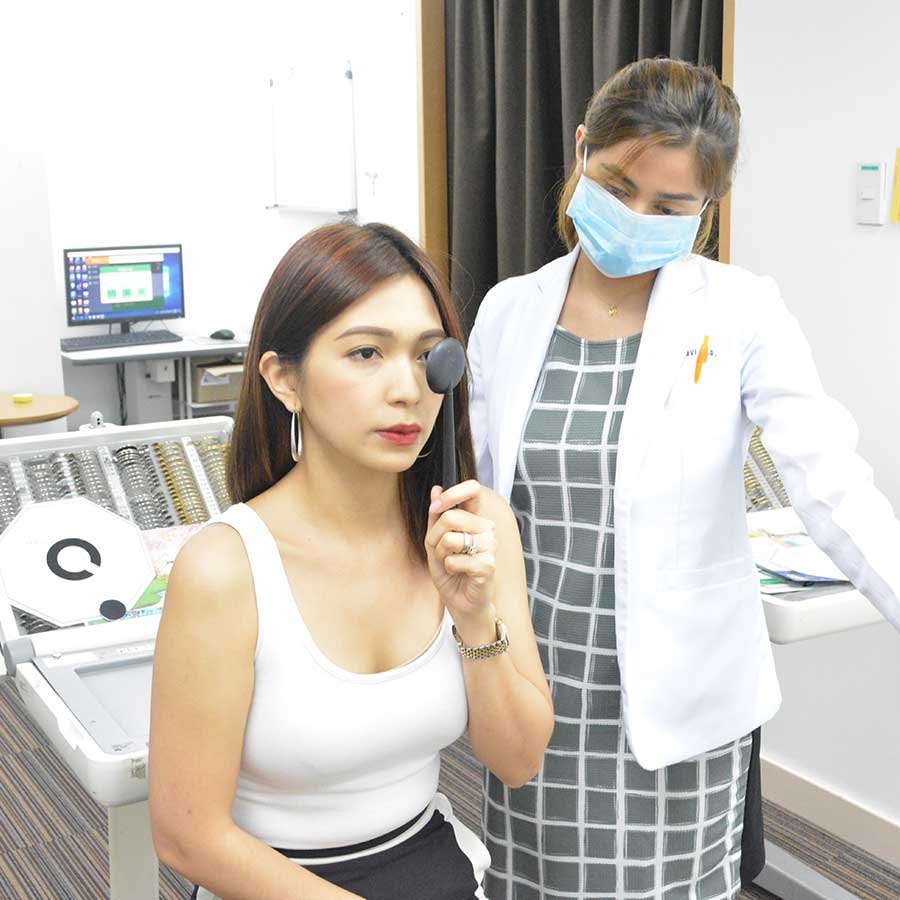
Eye specialists use several tests to confirm glaucoma.
Tonometry
This test measures eye pressure.
Visual Field Test
This checks blind spots in your side vision.
Optic Nerve Imaging
Doctors scan the optic nerve to look for damage.
Gonioscopy
This examines the drainage angle inside the eye.
Most major hospitals and eye clinics in Manila, Cebu, Davao, and other large cities already offer these tests.
Screening usually takes less than an hour.
Glaucoma Treatment Options Available in the Philippines
Glaucoma has no permanent cure yet, but treatment can slow or stop further damage.
Prescription Eye Drops
Doctors usually start with medicated eye drops to lower eye pressure.
Patients must use them daily.
Skipping doses can increase the risk of optic nerve damage.
Oral Medicines
Some patients need additional medication if eye drops are not enough.
Laser Procedures
Laser treatment helps improve fluid drainage inside the eye.
Recovery time is often shorter than traditional surgery.
Glaucoma Surgery
Advanced cases may require surgery to control pressure.
Your ophthalmologist will recommend treatment based on:
- Your glaucoma type
- Your eye pressure level
- Optic nerve damage
- Your age and medical history
Simple Ways to Protect Your Vision
You cannot always prevent glaucoma, but you can reduce the chance of severe vision loss.
- Schedule regular eye exams
- Control diabetes and blood pressure
- Wear protective eyewear during risky work
- Avoid self-medicating with steroid eye drops
- Follow your doctor’s treatment plan carefully
- Return for follow-up checkups
Many people spend thousands on phones and gadgets but delay a basic eye exam.
A routine screening may help protect your eyesight for years.
When was your last complete eye checkup?
Why Early Detection Changes Everything
Patients diagnosed early usually keep useful vision for life.
Those diagnosed late often face permanent blindness.
That difference usually comes down to timing.
One eye exam can detect pressure changes before symptoms even appear.
Doctors across the Philippines continue to push for better awareness because many glaucoma cases are still discovered too late.
If you have risk factors, do not wait for symptoms before seeing an eye specialist.
FAQ About Glaucoma in the Philippines
Is glaucoma common in the Philippines?
Yes. More than 1 million Filipinos are estimated to have glaucoma, making it one of the leading causes of blindness in the country.
Can glaucoma cause permanent blindness?
Yes. Vision loss from glaucoma cannot be reversed once optic nerve damage occurs.
At what age should Filipinos get screened for glaucoma?
Most eye specialists recommend screening starting at age 40. People with family history or medical conditions may need earlier testing.
Does glaucoma always have symptoms?
No. Early glaucoma often develops silently without pain or obvious vision problems.
Can glaucoma be cured?
No permanent cure exists yet. Treatment focuses on lowering eye pressure and slowing further vision loss.
Are glaucoma tests expensive in the Philippines?
Costs vary depending on the clinic and required tests. Government hospitals and charity programs may offer lower-cost screening.
Where can I get glaucoma treatment in the Philippines?
Major hospitals, eye centers, and ophthalmology clinics in Manila, Cebu, Davao, and other cities provide glaucoma diagnosis and treatment.