Structured Light Eye Disease Diagnosis
Innovative structured light technology offers breakthrough methods for detecting eye diseases earlier and more accurately than traditional approaches.
structured light diagnosis
How Light Patterns Are Revolutionizing Eye Care
Imagine a simple eye exam that could catch glaucoma before you notice any vision changes. Researchers are now exploring how structured light—carefully patterned beams of light—could transform the way we diagnose serious eye conditions. Instead of relying solely on conventional imaging techniques, this emerging technology creates detailed three-dimensional maps of the eye’s internal structures with remarkable precision.
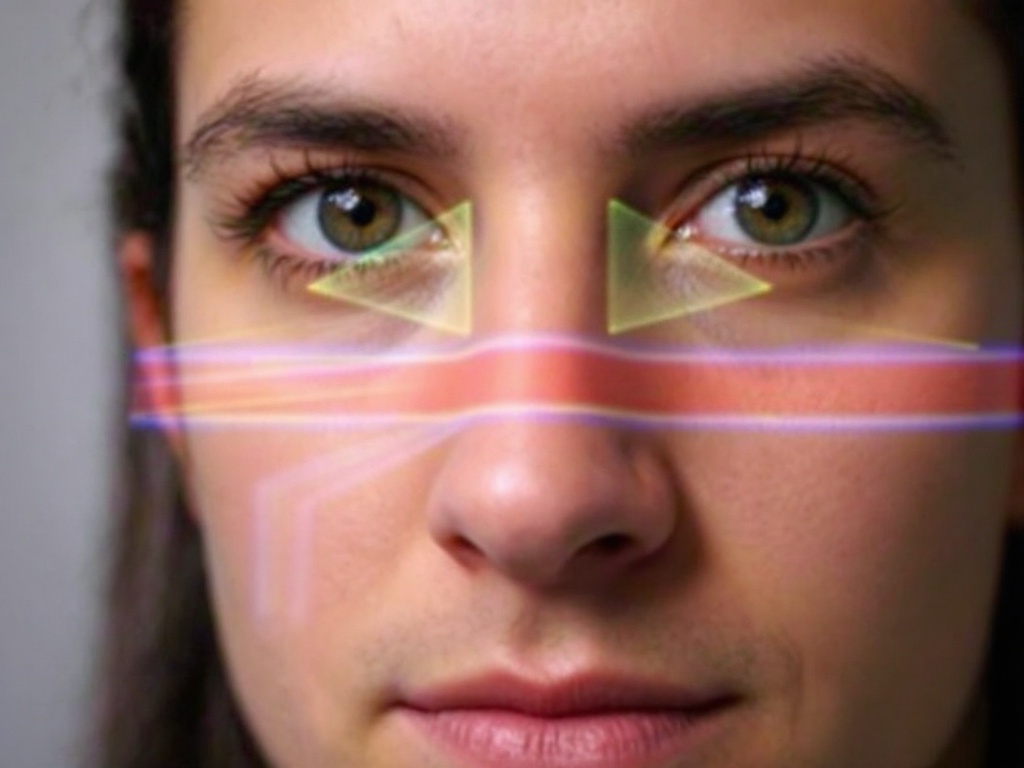
Structured light works by projecting specific patterns onto the eye and analyzing how those patterns reflect back. The eye essentially becomes a mirror, revealing intricate details about its health. This approach is fundamentally different from traditional methods and opens doors to earlier detection of diseases that silently steal vision.
Understanding Structured Light Technology
Structured light technology isn’t entirely new—it’s been used in industrial applications for years. However, adapting it for eye diagnostics represents a significant leap forward. The technology projects a known pattern of light onto a surface and captures how that pattern deforms when reflected. This deformation tells us exactly what we’re looking at.
When applied to the eye, structured light can map the optic nerve head, retinal surface, and other crucial structures with exceptional clarity. Unlike traditional cameras that capture flat images, this method provides true three-dimensional data. The precision rivals or exceeds what expensive specialized equipment currently offers in many cases.
The beauty of this approach lies in its efficiency. The entire measurement process happens in seconds, making it practical for clinical settings where time and patient comfort matter. There’s no need for dilating drops or extended examination periods.
Why Glaucoma Detection Matters
Glaucoma represents one of the leading causes of irreversible blindness worldwide, yet many people don’t realize they have it until significant damage occurs. The disease progresses quietly, often without noticeable symptoms in early stages. By the time someone notices vision loss, the optic nerve has typically suffered substantial harm.
Early detection fundamentally changes outcomes for glaucoma patients. When caught in early stages, various treatments can slow or halt progression, preserving vision for decades. The challenge has always been identifying those at risk before irreversible damage happens. This is precisely where structured light technology could make its greatest impact.
Current glaucoma screening relies on measuring eye pressure and examining the optic nerve. While these methods work, they sometimes miss subtle changes that structured light could reveal. More detailed imaging of the optic nerve head and surrounding tissues might catch problematic patterns earlier.
The Advantages Over Traditional Methods
Conventional eye imaging equipment is often expensive and requires specialized training to operate. Optical coherence tomography (OCT) machines, while excellent, cost tens of thousands of dollars and take up significant clinic space. Structured light systems could potentially be more affordable and compact, making advanced eye diagnostics accessible to more patients.
The technology also eliminates the need for contact lenses or special contact with the eye. Patients with sensitive eyes or those uncomfortable with touching the eye surface find this approach much less intimidating. This non-contact nature could improve patient compliance with regular screening exams.
Speed is another crucial advantage. Getting results quickly means patients spend less time in the clinic, and doctors can screen more people efficiently. In busy eye care practices, efficiency translates directly to better access for patients who need care.
Additionally, the detailed three-dimensional data structured light provides creates a more complete picture of eye health. Instead of seeing snapshots, clinicians gain a comprehensive understanding of structural changes over time. This enables better tracking of disease progression and treatment response.
How Structured Light Improves Diagnostics
The optic nerve head is where glaucoma does its damage, making it the critical area to monitor. Structured light can create incredibly detailed maps showing the exact contours of the nerve and surrounding tissue. Comparing these maps over time reveals even subtle changes that might indicate disease progression.
The technology can measure cup-to-disc ratios, retinal nerve fiber layer thickness, and other important parameters automatically. This reduces human error and ensures consistency across different exams and examiners. Standardized measurements allow for better comparison between patients and clearer trends within individual patients.
Machine learning algorithms can analyze the structured light data to identify patterns associated with glaucoma. As these systems examine thousands of eyes, they learn to recognize early warning signs that experienced clinicians might miss. The combination of precise measurement and artificial intelligence creates a powerful diagnostic tool.
Future Possibilities for Eye Care
Beyond glaucoma, structured light could improve diagnosis of other retinal and optic nerve diseases. Diabetic retinopathy, age-related macular degeneration, and optic neuropathies could all benefit from this enhanced imaging capability. A single technology platform might serve multiple diagnostic purposes, making it even more valuable in clinical practice.
Telemedicine applications represent another exciting frontier. Structured light data could potentially be captured at remote locations and analyzed by specialists elsewhere. This could bring advanced eye diagnostics to underserved populations who lack access to specialized eye care.
Portable versions of structured light systems might eventually allow screening in primary care offices, reducing the burden on busy ophthalmology clinics. Early detection at the family medicine level could identify at-risk patients before vision loss occurs.
Current Research and Development
Scientists and engineers are actively working to refine structured light technology for ophthalmic applications. Research teams are optimizing the wavelengths of light used, improving the resolution of captured images, and developing better software for data analysis. Each iteration brings the technology closer to clinical reality.
Clinical validation studies are underway to compare structured light diagnostics with existing gold-standard methods. These studies will establish the technology’s accuracy, reliability, and clinical utility. Once validated, structured light systems could receive regulatory approval for routine use in eye care.
The collaboration between physicists, engineers, ophthalmologists, and data scientists shows the interdisciplinary nature of this innovation. Bringing structured light from the laboratory to the clinic requires expertise from multiple fields working together.
Making Advanced Diagnostics Accessible
Cost barriers have historically limited access to advanced eye imaging. If structured light systems prove more affordable than current alternatives, more eye care providers could offer these diagnostics. This democratization of technology could significantly improve early disease detection across diverse populations.
Training requirements matter too. If structured light systems are intuitive and require minimal specialized training, more clinics can implement them. Accessibility isn’t just about cost—it’s about making technology practical and usable in real-world settings.
Patient outcomes ultimately determine whether new technologies gain widespread adoption. If structured light-based diagnostics lead to earlier glaucoma detection and better vision preservation, the incentive for adoption becomes strong throughout the eye care community.
The Road Ahead for Eye Disease Diagnosis
Structured light represents one example of how physics and engineering innovations can address real clinical challenges. The technology embodies the principle that better measurement and visualization of disease leads to better treatment and outcomes.
As this technology matures, it could become a standard component of comprehensive eye exams within the next several years. Patients presenting with glaucoma risk factors might receive structured light imaging as part of routine screening. Early detection of disease before symptoms appear remains the holy grail of eye care, and this technology could help achieve that goal.