Avoid These Activities if You Have Glaucoma
Introduction
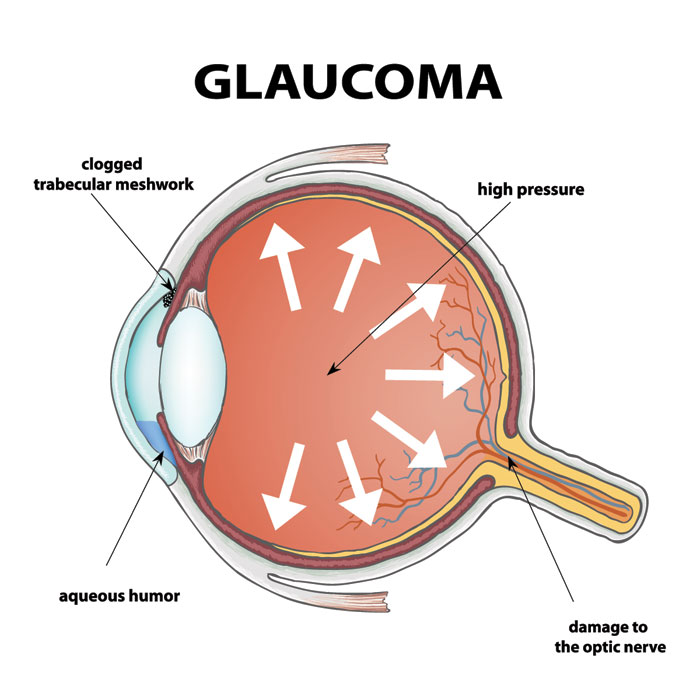
Living with glaucoma requires more than just taking medications or attending regular check-ups. Lifestyle choices, especially physical activities, play a critical role in managing the condition. Certain exercises or movements can increase intraocular pressure (IOP) or restrict blood flow to the optic nerve, worsening glaucoma symptoms. This guide outlines activities to avoid and suggests safer alternatives to help protect your vision.
Activities That Can Worsen Glaucoma
Some activities cause temporary spikes in eye pressure, while others create long-term strain on the optic nerve. These include intense physical exertion, heavy weightlifting, and sports involving rapid changes in body position or atmospheric pressure.
Intense Physical Activities and Their Impact
High-intensity exercises that demand quick bursts of energy or heavy strain can elevate IOP. While exercise is generally beneficial, certain activities may not be safe for those managing glaucoma.
Aerobic Exercises: Proceed with Caution
Jogging, swimming, and cycling offer great cardiovascular benefits, but glaucoma patients should keep them at a moderate pace. Avoid overexertion, and maintain steady breathing to minimize pressure changes in the eyes.
Anaerobic Exercises and Eye Pressure Risks
Anaerobic workouts—like heavy weightlifting, sprinting, or high-intensity interval training (HIIT)—often cause short-term spikes in eye pressure. While these may seem harmless, repeated fluctuations can be risky for optic nerve health.
Specific Activities to Avoid
High-Intensity Workouts
Programs like CrossFit or boot camps involve rapid, forceful movements. These can quickly raise eye pressure, making them unsuitable for individuals with glaucoma.
Sit-Ups, Pull-Ups, and Sprinting
Exercises that involve frequent head tilting or straining, such as sit-ups and pull-ups, can temporarily increase IOP. Sprinting has similar effects due to sudden exertion.
Weightlifting
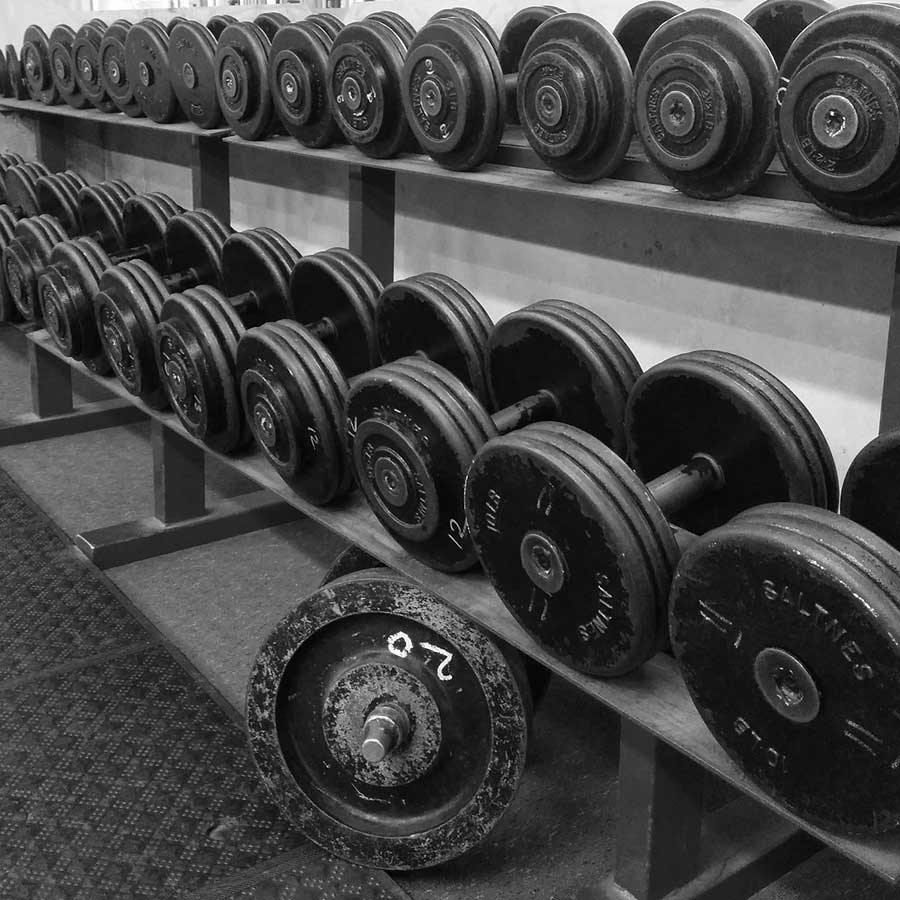
Lifting heavy weights—especially when holding your breath—puts significant stress on the eyes. If you enjoy strength training, opt for lighter weights and avoid breath-holding techniques.
Adventure Activities
Scuba diving and bungee jumping cause abrupt atmospheric pressure changes, which can affect eye pressure. These activities should be avoided or performed only after consulting an eye care professional.
How to Modify Your Exercise Routine
Talk to Your Doctor
Before starting or changing any exercise regimen, consult your ophthalmologist. They can recommend safe activity levels tailored to your condition.
Choose Lower-Intensity Alternatives
Replace high-risk exercises with gentler options like walking, yoga, or tai chi. These activities maintain overall health without significantly impacting eye pressure.
Monitor Your Body’s Response
Pay attention to symptoms like eye pain, headache, or blurred vision during or after exercise. These could indicate pressure changes that need medical attention.
Conclusion
Managing glaucoma effectively means balancing treatment with safe lifestyle habits. Avoiding high-risk activities, modifying your fitness routine, and staying in touch with your eye care provider can help preserve your vision while keeping you active.
Practical Tips for Staying Active Safely
-
Start with low-impact activities such as walking or stationary cycling.
-
Avoid exercises that require holding your breath or straining.
-
Keep workouts consistent but moderate in intensity.
-
Schedule regular eye check-ups to monitor IOP changes related to exercise.
With the right approach, you can maintain a healthy, active lifestyle without compromising your eye health.