Foods That May Make Glaucoma Worse
Managing glaucoma goes beyond eye drops and clinic visits. Your daily food choices may also affect your eye pressure, blood circulation, and optic nerve health.
Many Filipinos focus only on medication while ignoring diet. That mistake can affect long-term eye health.
Some foods may increase inflammation, raise blood pressure, or affect blood flow to the eyes. Others may trigger temporary spikes in intraocular pressure.
You do not need a perfect diet.
You just need better food decisions more often.
Why Diet Matters for Glaucoma Patients
Glaucoma damages the optic nerve over time.
High eye pressure remains one of the biggest risk factors. Poor blood circulation and inflammation may also contribute to optic nerve damage.
Your meals affect:
- Blood pressure
- Blood sugar
- Inflammation levels
- Fluid balance
- Blood flow to the eyes
That is why doctors often encourage glaucoma patients to improve their eating habits along with treatment.
Have you ever noticed headaches or eye discomfort after consuming salty or sugary foods?
Your diet may be playing a bigger role than you realize.
1. Excessive Caffeine
Coffee is part of daily life for many Filipinos.
One or two cups may not cause major issues for most people. The problem starts when caffeine intake becomes excessive.
Studies show large amounts of caffeine may temporarily raise intraocular pressure.
Common high-caffeine drinks include:
- Strong brewed coffee
- Energy drinks
- Black tea
- Some soft drinks
- Pre-workout supplements
Some patients report eye discomfort or headaches after drinking several cups of coffee in a short period.
Try these alternatives instead:
- Decaffeinated coffee
- Herbal tea
- Warm calamansi water
- Fresh fruit shakes without added sugar
You do not always need to quit coffee completely. Moderation matters more.
2. High-Sodium Foods
Salt-heavy meals may affect blood pressure and fluid retention.
That can place extra stress on the eyes and blood vessels.
Many processed Filipino foods contain more sodium than people expect.
Common examples include:
- Instant noodles
- Canned goods
- Processed meat
- Chips
- Fast food meals
- Dried fish with heavy salt content
Eating these foods daily may worsen health problems linked to glaucoma.
Patients with hypertension should become extra careful.
Simple ways to reduce sodium:
- Cook fresh meals at home
- Use herbs and garlic for flavor
- Limit processed snacks
- Read food labels before buying
3. Sugary Foods and Sweet Drinks
High sugar intake affects more than weight gain.
Frequent blood sugar spikes may damage blood vessels over time, including those supplying the optic nerve.
This becomes more dangerous for glaucoma patients with diabetes.
Foods to limit include:
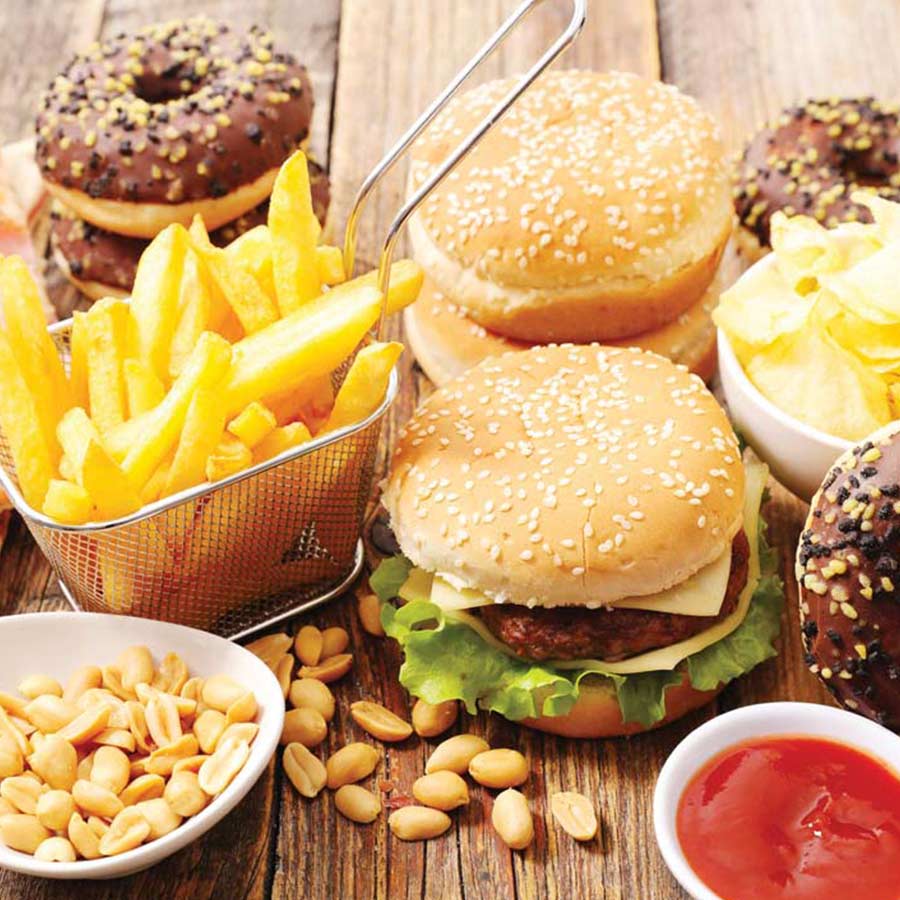
- Doughnuts
- Cakes
- Milk tea with extra sugar
- Soft drinks
- Candies
- Sweet pastries
Some Filipinos drink sugary coffee several times daily without realizing the sugar content already exceeds healthy limits.
Better snack choices include:
- Bananas
- Apples
- Unsalted nuts
- Oatmeal
- Boiled sweet potato
4. Fried and Greasy Foods
Deep-fried meals may increase inflammation inside the body.
Too much oily food may also affect circulation.
Popular fried foods that should be limited include:
- French fries
- Fried chicken
- Chicharon
- Fast food burgers
- Deep-fried street food
Some cooking oils used repeatedly in restaurants may contain unhealthy compounds that affect heart and blood vessel health.
Healthier cooking methods include:
- Grilling
- Steaming
- Boiling
- Air frying
Small food changes done consistently often matter more than crash diets.
5. Excessive Alcohol
Heavy alcohol intake may affect blood circulation and hydration.
Some glaucoma patients notice headaches, blurry vision, or eye discomfort after binge drinking.
Alcohol may also interfere with medications.
Drinks to limit include:
- Beer
- Hard liquor
- Cocktails with high sugar content
If you drink alcohol, moderation matters.
Drink water regularly and avoid excessive intake in one sitting.
6. Processed Meat Products
Processed meat often contains:
- High sodium
- Preservatives
- Saturated fat
Examples include:
- Hotdogs
- Bacon
- Ham
- Longganisa
- Canned meat
Eating these daily may affect blood pressure and circulation.
Some patients rely heavily on processed food because it is affordable and easy to prepare.
Fresh protein sources remain better choices.
Try:
- Fish
- Skinless chicken
- Eggs
- Tofu
- Mongo beans
7. Artificially Sweetened Products
Many “sugar-free” products appear healthy at first glance.
Some artificial sweeteners may still affect metabolism and inflammation.
Research remains ongoing, but moderation is still wise.
Products often containing artificial sweeteners include:
- Diet soda
- Sugar-free candies
- Low-calorie desserts
- Powdered juice drinks
Natural options may work better for many people.
Examples include:
- Fresh fruits
- Small amounts of honey
- Stevia
8. Heavy Dairy Desserts
Ice cream and creamy desserts combine high sugar and saturated fat.
Eating them often may contribute to inflammation and weight gain.
Popular examples include:
- Ice cream
- Cheesecake
- Milk-based frappes
- Custard desserts
Some patients also consume these late at night alongside sugary coffee drinks.
Healthier dessert ideas:
- Fresh fruit
- Greek yogurt
- Frozen banana slices
- Fruit smoothies without added sugar
9. Instant and Ultra-Processed Meals
Convenience foods save time but often contain excessive sodium, preservatives, and unhealthy fats.
Busy schedules push many people toward instant meals daily.
Common examples:
- Frozen dinners
- Instant soup packets
- Microwave meals
- Processed frozen snacks
Fresh home-cooked meals allow better control over ingredients.
Even simple meals can support better eye health.
A basic grilled fish with vegetables is often a better choice than processed fast food.
10. High-Sodium Fermented Foods
Fermented foods can provide benefits, but some versions contain excessive salt.
Too much sodium may increase blood pressure and fluid retention.
Examples include:
- Pickles
- Salted fermented fish
- Kimchi with high sodium
- Salt-heavy preserved vegetables
You do not always need to avoid them completely.
Portion control matters.
Choose lower-sodium options whenever possible.
Learn more about glaucoma treatment costs in the Philippines here:
Glaucoma Treatment Cost in the Philippines
Foods That Support Eye Health
Removing unhealthy foods is only one part of the process.
You should also add foods that support circulation and optic nerve health.
Helpful food choices include:
- Leafy green vegetables
- Salmon and sardines
- Citrus fruits
- Carrots
- Tomatoes
- Nuts and seeds
- Whole grains
Hydration also matters.
Drink water throughout the day instead of consuming large amounts at once.
Daily Habits That May Help Glaucoma Patients
Food alone will not control glaucoma.
Your lifestyle also matters.
Simple habits include:
- Following your prescribed eye drop schedule
- Getting regular eye exams
- Managing blood pressure and diabetes
- Sleeping properly
- Avoiding smoking
- Staying physically active
Some patients lose vision because they stop medication once symptoms improve.
Glaucoma management requires consistency.
FAQ About Foods and Glaucoma
Can food increase eye pressure?
Some foods and drinks may temporarily affect eye pressure, especially excessive caffeine and high-sodium meals.
Should glaucoma patients stop drinking coffee?
Not always. Moderate caffeine intake may still be acceptable for many patients. Ask your eye doctor for guidance based on your condition.
Are sugary foods bad for glaucoma?
High sugar intake may affect blood vessels and inflammation, especially in patients with diabetes.
What foods help protect eyesight?
Leafy greens, fish rich in omega-3, fruits, nuts, and vegetables may support eye health.
Can drinking water lower eye pressure?
Proper hydration supports overall health, but drinking very large amounts quickly may temporarily affect eye pressure.
Do glaucoma patients need a strict diet?
Most patients do not need extreme diets. Better daily food choices and moderation usually help more.
Can lifestyle changes cure glaucoma?
No. Glaucoma has no permanent cure yet. Healthy habits may help support treatment and protect remaining vision.