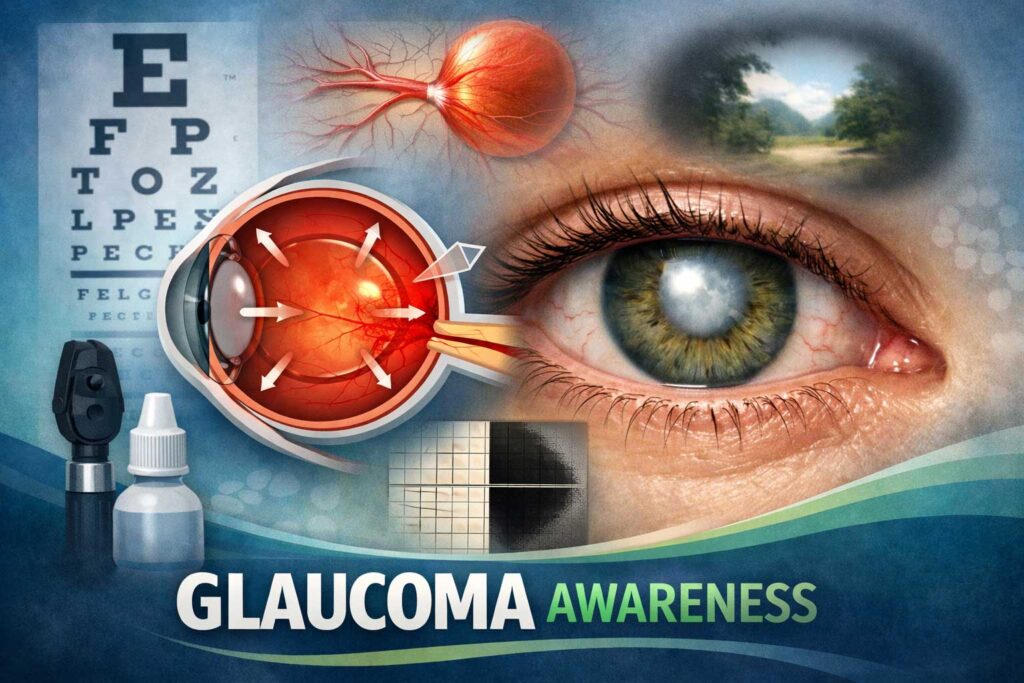
For many women, the journey through menopause is marked by a well-known set of symptoms: hot flashes, night sweats, and mood swings. But there’s another, often overlooked, issue that significantly impacts quality of life—chronic dry eye. If you’ve found yourself constantly reaching for eye drops, experiencing a gritty sensation, or dealing with blurry vision that comes and goes, you’re not alone. What you may not realize is that the root of this discomfort could be deeply connected to the hormonal shifts happening within your body.
This article delves into the critical, yet under-discussed, link between menopause and dry eye syndrome. We will explore the science behind this connection, identify the key symptoms, and provide a comprehensive guide to effective management strategies to help you find lasting relief.
The Unseen Connection: How Hormones Govern Eye Moisture
To understand why menopause triggers dry eye, we first need to appreciate the role hormones play in maintaining healthy tears. Our tear film is a complex, three-layered structure that does more than just express emotion. It keeps our eyes lubricated, protects against infection, and ensures clear vision. Two hormones are particularly crucial in this process: estrogen and androgen.
Estrogen receptors are found throughout the eye, including in the tear-producing glands and the delicate conjunctival tissue. Fluctuations in estrogen levels can directly impact the function of these glands. However, the primary hormonal player in dry eye is actually androgen.
Androgens, such as testosterone, are often thought of as male hormones, but they are vital for women’s health as well. They are essential for the function of the Meibomian glands—the tiny oil-producing glands located along the edges of your eyelids. These glands secrete oils that form the outermost layer of the tear film, preventing tears from evaporating too quickly.
During perimenopause and menopause, levels of both estrogen and androgens decline. This hormonal shift can lead to:
- Meibomian Gland Dysfunction (MGD): A decline in androgens can cause the Meibomian glands to atrophy and produce lower-quality oil. This leads to rapid tear evaporation, a condition known as Evaporative Dry Eye, which accounts for the vast majority of dry eye cases in menopausal women.
- Inflammation: Hormonal changes can increase inflammatory markers throughout the body, including the ocular surface. This inflammation can further disrupt the tear-producing glands, creating a vicious cycle of dryness and irritation.
- Changes in Tear Composition: Estrogen fluctuations can alter the mucin layer of the tears, which helps the tear film adhere to the surface of the eye.
In essence, menopause doesn’t just create one problem; it disrupts the entire delicate ecosystem that keeps your eyes comfortable and healthy.
Recognizing the Symptoms: More Than Just Dryness
Dry eye disease in menopausal women often presents as a constellation of symptoms that can fluctuate in intensity. It’s important to recognize that “dryness” is just one part of the story. Common signs include:
- A gritty or sandy sensation, as if something is in your eye
- Burning, stinging, or redness
- Episodes of blurry vision that clear with blinking
- Watery eyes (a reflex response to the irritation of dry spots on the cornea)
- Stringy mucus in or around the eyes
- Pain and fatigue when wearing contact lenses
- Increased sensitivity to light
- A feeling of heaviness in the eyelids
Many women dismiss these symptoms as a normal part of aging or a result of too much screen time. While environmental factors can exacerbate the issue, understanding the hormonal root cause is the first step toward seeking appropriate and effective treatment.
Taking Control: A Multi-Pronged Approach to Management
Managing menopausal dry eye requires a holistic strategy that addresses both the symptoms and the underlying hormonal influences. While you can’t reverse menopause, you can significantly improve your ocular comfort and protect your long-term eye health.
1. Over-the-Counter and At-Home Solutions
These are often the first line of defense and can provide substantial relief for many women.
- Artificial Tears: Look for preservative-free formulations, especially if you need to use them more than four times a day. Products containing lipids can be particularly helpful for evaporative dry eye.
- Warm Compresses: Applying a warm mask or washcloth to your closed eyelids for 5-10 minutes daily can help melt hardened oils in the Meibomian glands, improving oil flow and stabilizing the tear film.
- Eyelid Hygiene: Gently cleaning your eyelids with a recommended cleanser can reduce inflammation and keep the gland openings clear.
- Omega-3 Fatty Acids: Incorporating omega-3 supplements (like fish or flaxseed oil) into your diet can help improve the quality of the oil your glands produce and reduce ocular inflammation.
- Environmental Adjustments: Use a humidifier to add moisture to the air in your home or office. Take regular breaks during prolonged screen use, following the 20-20-20 rule (every 20 minutes, look at something 20 feet away for 20 seconds).
2. Professional Medical Treatments
If at-home care isn’t enough, it’s crucial to see an eye care professional. They can provide a definitive diagnosis and offer advanced treatments.
- Prescription Eye Drops: Medications like cyclosporine (Restasis) or lifitegrast (Xiidra) work by addressing the underlying inflammation that causes dry eye, helping your body produce more of its own natural tears.
- Punctal Plugs: These tiny, sterile devices are inserted into the tear ducts to block drainage. This keeps your natural and artificial tears on the surface of your eye for a longer period.
- In-Office Procedures: Treatments like LipiFlow or Intense Pulsed Light (IPL) therapy are designed to directly address Meibomian Gland Dysfunction by applying controlled heat and pressure to unclog the glands.
3. The Hormone Question: HRT and Dry Eye
The relationship between Hormone Replacement Therapy (HRT) and dry eye is complex and nuanced. Some studies suggest that systemic HRT (pills or patches) may actually worsen dry eye symptoms for some women. However, topical estrogen applied directly to the eye is an area of ongoing research and may hold future promise.
It is absolutely essential to have an open conversation with both your gynecologist and your eye doctor about your dry eye symptoms if you are considering or are currently on HRT. A personalized approach is necessary to balance the benefits for other menopausal symptoms against the potential impact on your eye health.
You Don’t Have to Live With the Discomfort
The persistent irritation of dry eye is more than a minor nuisance; it can significantly diminish your daily enjoyment and quality of life. By understanding the powerful link between your hormonal health and your ocular surface, you can move beyond temporary fixes and seek out long-term solutions.
If you are a woman in your peri- or post-menopausal years experiencing these symptoms, schedule an appointment with an eye care specialist. A proper diagnosis is the key to creating a targeted management plan that works for you. Your eyes are a vital part of your well-being, and they deserve care and attention during this transformative stage of life.