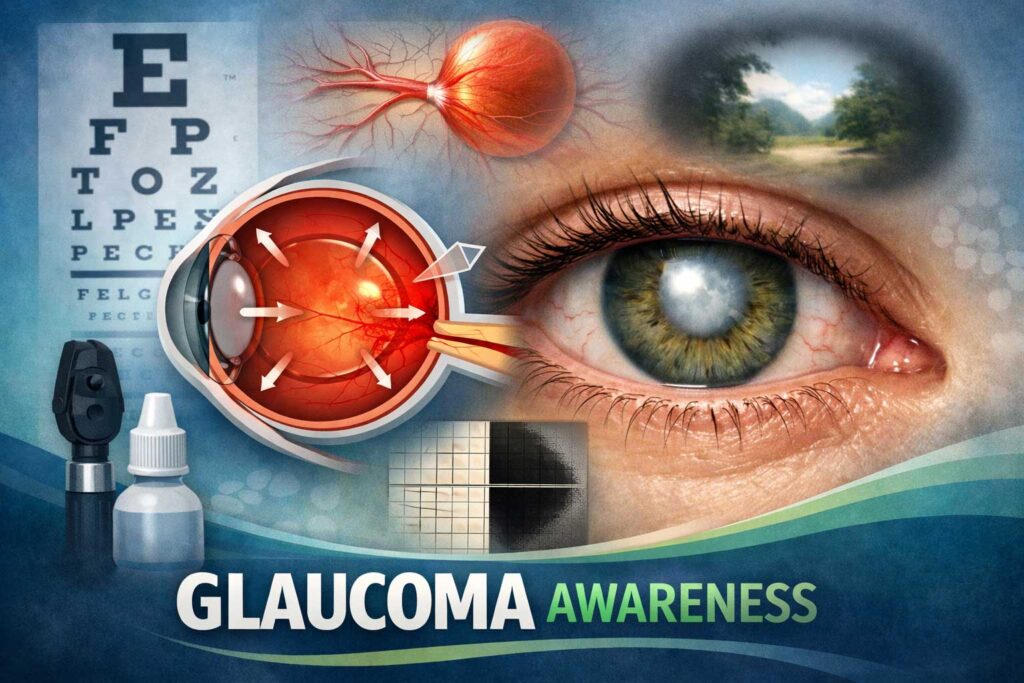
Our eyes are incredibly delicate and vital organs. In the blink of an eye, an accident or sudden onset of symptoms can threaten our vision. Knowing how to identify a true eye emergency and take the right immediate steps can make the difference between a full recovery and permanent vision loss. This guide will help you recognize critical situations and understand how to respond effectively.
What Constitutes an Eye Emergency?
An eye emergency is any situation where an eye is injured, or you experience sudden, unexpected changes in your vision. These incidents require immediate medical attention from an ophthalmologist, optometrist, or emergency room. Do not adopt a “wait-and-see” approach with eye injuries, as delays can worsen the outcome.
Common Types of Eye Emergencies
Eye emergencies generally fall into a few key categories: trauma, chemical exposure, foreign objects, and sudden visual changes. Understanding the specifics of each can help you react appropriately.
Recognizing Critical Eye Emergency Symptoms
Certain signs and symptoms are clear red flags. If you or someone else experiences any of the following, seek emergency care immediately:
- Sudden vision loss or a dramatic decrease in vision, even if temporary.
- Severe, sharp, or persistent eye pain.
- Double vision.
- New or severe flashes of light or floaters (especially a shower of them).
- A sensation of a “curtain” or shadow coming across your field of vision.
- Visible blood in the clear part of the eye (the white, or sclera).
- One pupil being significantly larger than the other.
- Extreme sensitivity to light (photophobia).
- Deep cuts or tears on the eyelid or eyeball.
- Something embedded in the eye that cannot be easily removed with blinking or gentle rinsing.
How to Respond to Specific Eye Emergencies
Your immediate response can help minimize damage. Here’s what to do (and what not to do) in common emergency scenarios.
Chemical Burns to the Eye
This is one of the most urgent eye emergencies. Chemicals, especially alkalis found in cleaning products or lime, can cause rapid, severe damage.
- DO: Immediately begin flushing the eye with clean, lukewarm water. Use a sink, shower, or hose. Hold the eyelid open and flush continuously for at least 15-20 minutes. If possible, continue flushing while en route to the emergency room.
- DO NOT: Rub the eye, use eye drops (unless specifically for chemical rinsing), or bandage the eye.
Foreign Object in the Eye
Whether it’s a speck of dust, a metal shard, or a wood chip, a foreign body can scratch the cornea (corneal abrasion) or become embedded.
- For loose particles: Try blinking several times to allow tears to wash it out. If that fails, gently pull the upper eyelid over the lower lid to try to dislodge it. You can also try rinsing with sterile saline or eye wash.
- For embedded objects or those that don’t rinse out: Do not attempt to remove it. Do not rub the eye. Place a protective shield (like a paper cup) over the eye and secure it with tape. Seek emergency care immediately.
Blunt Trauma or “Black Eye”
A blow to the eye from a ball, fist, or other object can cause serious internal damage even if the surface looks okay.
- DO: Apply a cold compress gently to the area to reduce swelling. Avoid putting pressure on the eyeball itself.
- DO NOT: Use raw meat on the eye. This is an old wives’ tale that risks infection.
- Seek medical attention to rule out a fractured bone, internal bleeding (hyphema), or retinal detachment.
Cuts or Punctures to the Eye or Eyelid
Any penetrating injury is extremely serious.
- DO: Gently place a protective shield (like the bottom half of a paper cup) over the eye. Do not wash out the eye with water. Do not apply any pressure. Go to the emergency room immediately.
- DO NOT: Attempt to remove any object stuck in the eye.
Sudden Vision Changes: Flashes, Floaters, and Curtains
These symptoms can signal a retinal detachment or other serious retinal issue, which is a medical emergency.
- A sudden increase in floaters (especially tiny dots or cobwebs), flashes of light in your peripheral vision, or a dark shadow or curtain spreading across your visual field are hallmark signs.
- DO: Contact your eye doctor or go to the emergency room immediately. Time is critical to save vision.
- DO NOT: Ignore these symptoms or wait to see if they improve.
First Aid Kit Essentials for Eye Safety
Being prepared can help you respond quickly. Consider adding these items to your home and workplace first aid kits:
- Sterile saline solution or commercial eye wash.
- A soft eye shield or a small paper cup that can be fashioned into one.
- Sterile gauze pads.
- Medical tape.
- A first aid instruction card that includes eye emergency steps.
When to Go to the ER vs. Calling Your Eye Doctor
As a general rule:
- Go directly to the Emergency Room for: Chemical burns, deep cuts or punctures, embedded foreign objects, or significant blunt trauma.
- Call your ophthalmologist or optometrist immediately for: Sudden vision changes (flashes, floaters, curtains), sudden vision loss, or severe eye pain. They can often see you urgently and are specialists in eye care. If you cannot reach them, go to the ER.
Prevention is the Best Medicine
While accidents happen, you can significantly reduce your risk of an eye emergency:
- Always wear certified protective eyewear during sports, home repairs (hammering, drilling, mowing), and when working with chemicals.
- Handle tools, chemicals, and sprays with care, directing nozzles away from your face.
- Keep hazardous substances out of reach of children.
- Wash your hands before touching your eyes, especially when inserting contact lenses.
Your vision is priceless. In any situation where you are unsure if an eye injury is serious, err on the side of caution and seek professional medical help immediately. Prompt action is the single most important factor in preserving sight during an eye emergency.